
Comoros Expands Agro-Tourism and Nature Routes Across Anjouan and Grande Comore in 2026
The Comoros government is diversifying its tourism sector by launching new agro-tourism and volcanic trekking routes across Anjouan and Grande Comore to reduce reliance on coastal resorts.

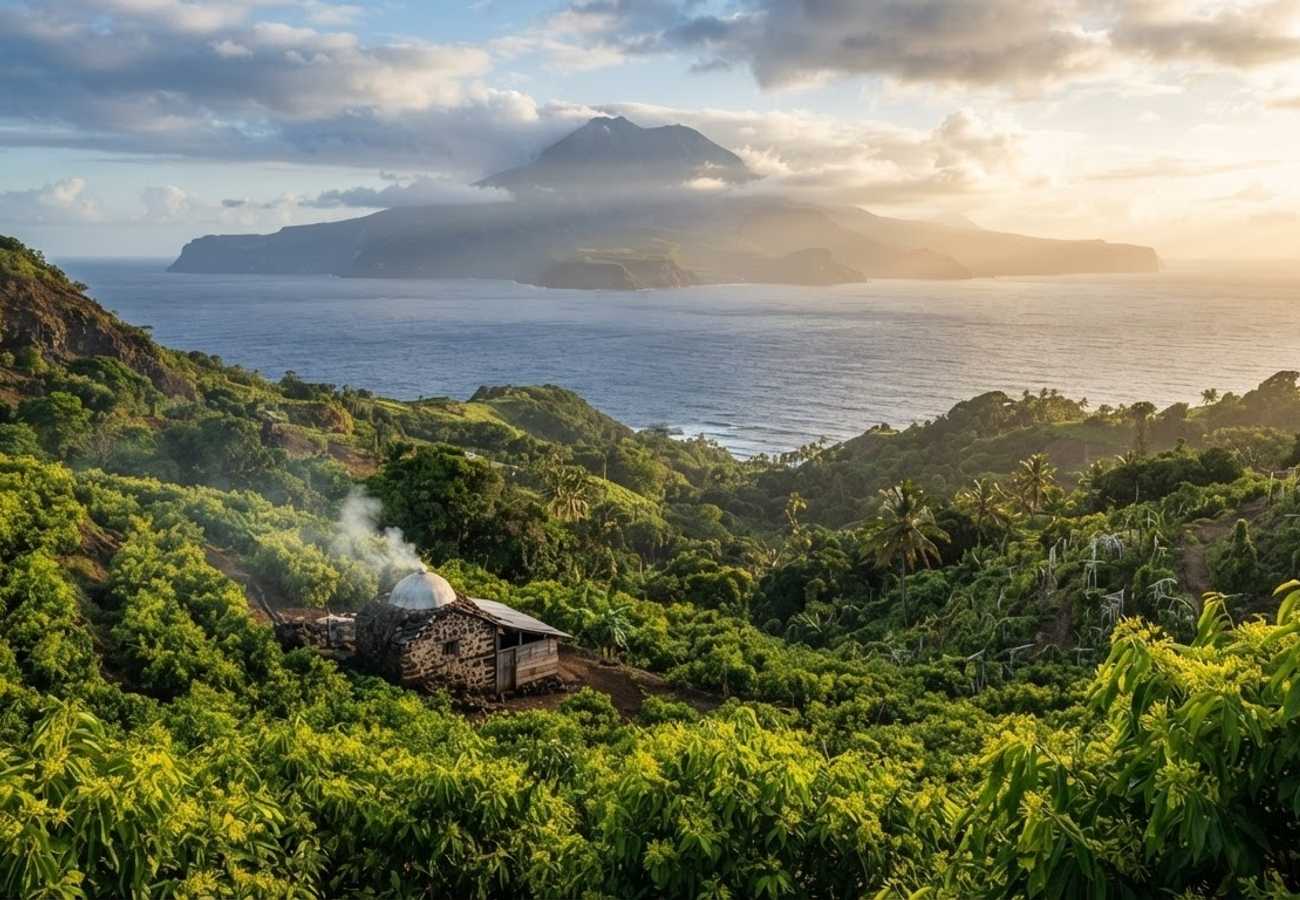
Image generated by AI
The Comoros government is aggressively shifting its tourism strategy away from coastal resorts toward high-value nature and agricultural experiences. This expansion targets the archipelago's fragrance heritage and volcanic geography to drive sustainable economic growth.
Strategic Diversification of Comoros Tourism
The islands of Anjouan and Grande Comore are implementing new tourism products designed to integrate rural agricultural experiences with nature-based trekking. This move aims to decentralize the visitor economy, moving beyond traditional beach holidays to highlight the archipelago's unique role in the global fragrance and spice industries.
According to World Bank data, the development of these routes is supported by a revival in ylang-ylang production noted in 2025. The bank emphasizes that the success of this transition depends on three critical pillars: improved accommodation services, enhanced inter-island connectivity, and rigorous environmental management.
Anjouan: The Fragrance and Agro-Tourism Hub
Anjouan is positioning itself as the center of "perfume tourism." The island's landscape is currently documented in UNESCO’s tentative World Heritage list, specifically highlighting its aromatic plant plantations and distillation facilities.
The primary drivers of this agro-tourism route include:
- Ylang-Ylang: The cornerstone of Anjouan’s agricultural identity, producing essential oils for the global luxury perfume market.
- Vanilla and Cloves: These crops provide secondary thematic routes, connecting visitors to high-value luxury food and fragrance ingredients.
- Distillation Tours: Guided walks through rural communities allow travelers to observe the transition from raw crop to commercial fragrance.
Our analysis indicates that this shift has tangible economic impacts. World Bank reports show that development projects supporting agriculture and tourism in Comoros created 1,772 direct full-time jobs between 2019 and 2024, with 60% of these positions filled by young people.
Grande Comore: Volcanology and Cultural Integration
Grande Comore is diversifying its offerings by linking the capital, Moroni, with the interior highlands and the town of Mbeni. This creates a cultural corridor that moves tourists away from coastal patterns and into traditional settlements.
The centerpiece of this itinerary is Mount Karthala. As one of the region's most significant geological features, it offers:
- Volcanic Trekking: A demanding experience featuring a caldera approximately three kilometers across.
- Biodiversity Zones: Transit through various vegetation zones and mountain forests, as recognized by UNESCO’s 2026 tentative listing for Karthala National Park.
- Adventure Tourism: A high-altitude component that complements the archipelago's softer agricultural offerings.
Infrastructure and Inter-Island Logistics
The viability of a multi-island itinerary—combining Moroni, Mount Karthala, and the plantations of Anjouan—relies on maritime stability. The African Development Bank is currently supporting a maritime corridor project to improve transport safety and connectivity between Grande Comore, Anjouan, and Mohéli.
Flight tracking and maritime data suggest that while inter-island movement is increasing, travelers should expect variability in schedules. The broader strategy involves a sustainable tourism management plan supported by UNESCO to map cultural and natural heritage across all three main islands.
Passenger Advisory: Navigating Comoros in 2026
For the traveler planning a multi-island itinerary, the current infrastructure requires specific preparations. Our analysis of the regional travel landscape suggests the following:
Logistics and Connectivity Inter-island travel is predominantly maritime. Passengers should verify current schedules via the African Development Bank’s maritime corridor updates or local port authorities, as "fixed" schedules are often subject to weather conditions.
Trekking Requirements Mount Karthala is not a casual excursion. Due to altitude and volatile volcanic terrain, passengers must secure certified local guides. Failure to do so may result in safety risks and a lack of access to protected zones within the National Park.
Agro-Tourism Etiquette Many of the ylang-ylang and vanilla plantations are active commercial sites. Visitors are advised to book guided agricultural routes to ensure they do not disrupt production cycles or violate local land-use customs.
The pivot toward agro-tourism is a calculated move to insulate the Comoros economy from the volatility of mass coastal tourism. By leveraging UNESCO-recognized heritage and the "luxury" association of ylang-ylang and vanilla, the government is targeting a higher-spending, more conscientious traveler.
The integration of the African Development Bank’s maritime projects is the most critical variable; without seamless inter-island transit, the "circuit" model (Moroni $\rightarrow$ Anjouan $\rightarrow$ Mohéli) will remain a niche experience rather than a scalable industry.
The fragrance of ylang-ylang and the shadow of Mount Karthala are redefining the Comorian travel experience.
Related Travel Guides
Disclaimer
This article is for informational and educational purposes only. It does not constitute legal, financial, or professional advice. While we strive to provide accurate and up-to-date information, travel policies, regulations, and conditions change rapidly. Always verify information with official sources before making travel decisions. Nomad Lawyer makes no representations about the accuracy, reliability, completeness, or suitability of the information provided. Readers should consult qualified professionals for advice specific to their circumstances. The views expressed in this article are those of the author and do not necessarily reflect the views of Nomad Lawyer.
Raushan Kumar
Founder & Lead Developer
Full-stack developer with 11+ years of experience and a passionate traveller. Raushan built Nomad Lawyer from the ground up with a vision to create the best travel and law experience on the web.
Learn more about our team →