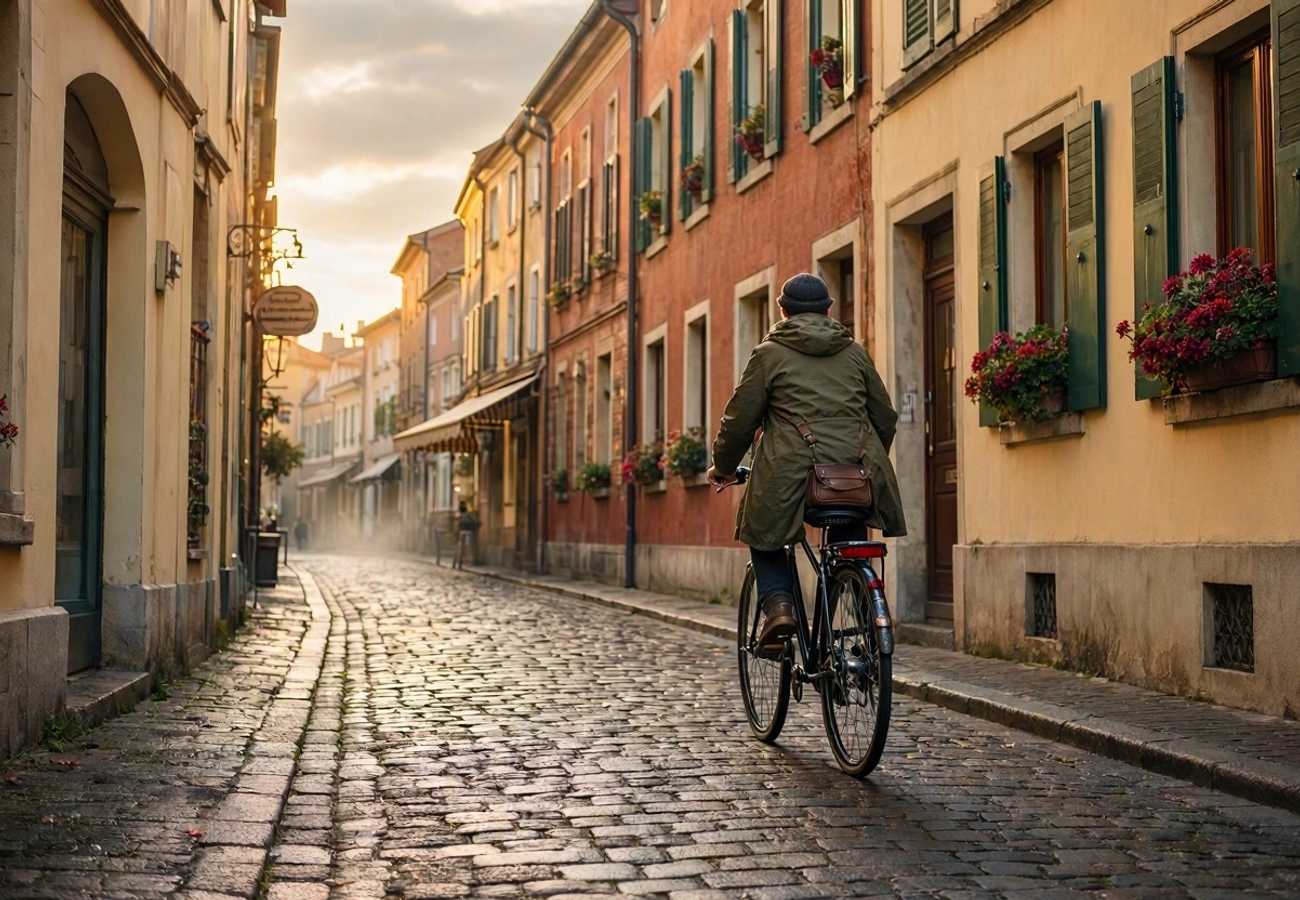
Italy Tourism Surges As Summer Travel Boom Drives Coastal Escapes And Cultural Journeys: All You Need to Know

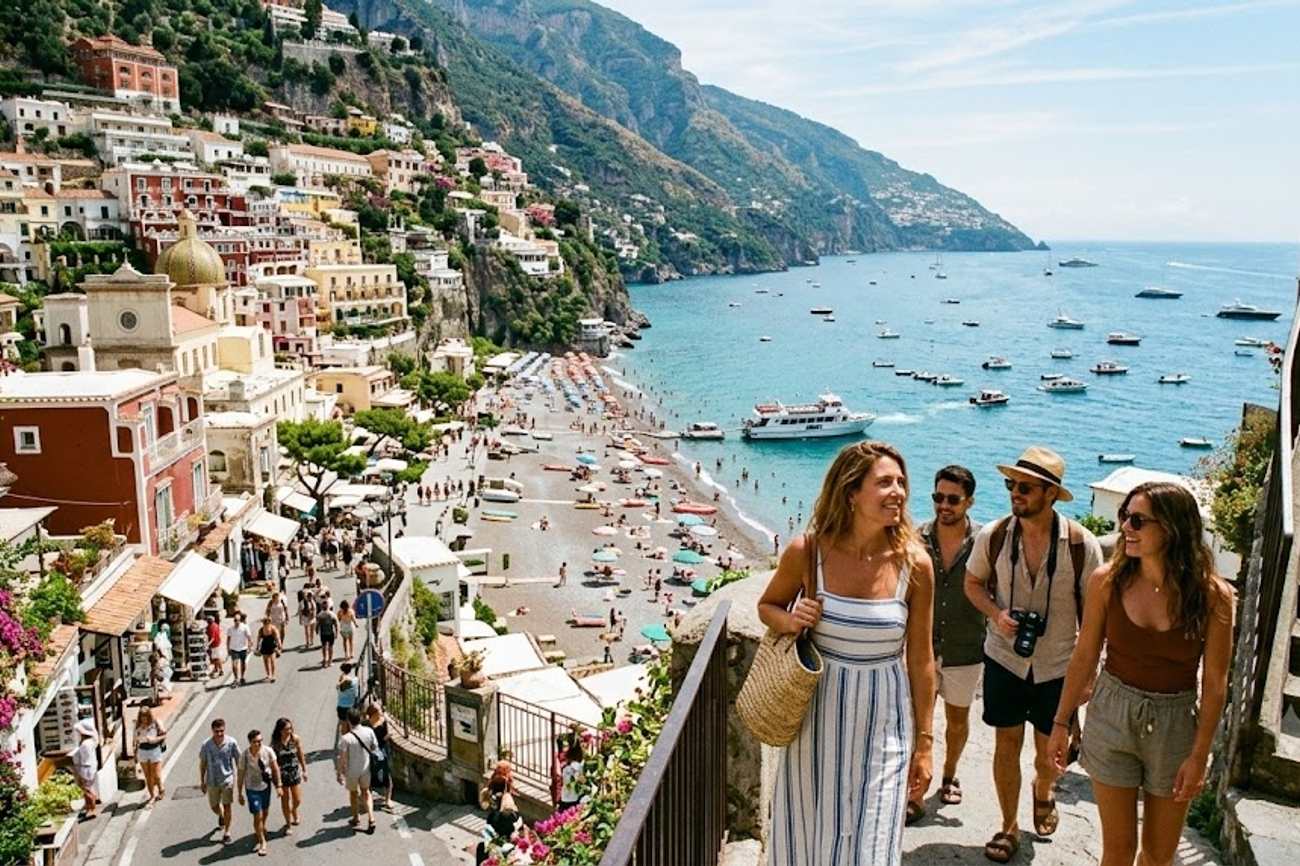
Image generated by AI
[Rome, August 2026] — Italy has concluded a high-performance summer tourism cycle, driven by a surge in both international and domestic arrivals across its primary cultural hubs and Mediterranean coastlines.
The 2026 season confirms a sustained upward trajectory for the Italian travel economy, with first-quarter data already showing measurable increases in total overnight stays. This growth is underpinned by a strategic diversification of visitor profiles, ranging from high-net-worth luxury travelers in Sardinia to cultural historians in Lazio and Veneto. The Italian Ministry of Tourism and regional authorities report that demand has effectively spread beyond traditional hotspots, boosting economic activity in rural villages and lesser-known provincial landscapes.
The Catalyst for 2026 Growth
The current surge is attributed to a multi-pronged appeal that blends heritage tourism with a growing global demand for "experience-based" travel. Rather than focusing solely on landmark sightseeing, visitors are increasingly integrating gastronomy, local craft workshops, and neighborhood exploration into their itineraries.
This shift is particularly evident in Rome, where the hospitality sector has pivoted toward personalized stays to meet evolving consumer expectations. Additionally, the intentional promotion of "slow travel" and rural tourism has successfully diverted a portion of the visitor flow away from overcrowded city centers, distributing the economic windfall to smaller communities in regions like Puglia and Tuscany.
Regional Impact and Visitor Distribution
The 2026 summer data reveals a broad distribution of tourist activity, ensuring that economic benefits reach beyond the "Big Three" cities of Rome, Florence, and Venice.
| Region | Primary Driver | Key Attractions |
|---|---|---|
| Lazio | Urban History | Rome, Vatican City, Ancient Monuments |
| Tuscany | Agrarian Culture | Florence, Vineyards, Medieval Hamlets |
| Veneto | Maritime Heritage | Venice, Historic Architecture |
| Campania | Coastal Luxury | Amalfi Coast, Naples, Pompeii |
| Sicily | Archaeology/Coast | Mediterranean Beaches, Ancient Ruins |
| Sardinia | High-End Leisure | Luxury Resorts, Crystal-Clear Waters |
| Puglia | Authentic Tradition | Traditional Villages, Coastal Escapes |
International markets remain the primary engine for spending. The United States continues to lead in luxury and heritage expenditures, while Germany and France drive demand for nature-based and short-break cultural trips. The United Kingdom remains a dominant force in the Mediterranean holiday segment.
Practical Traveler Advisory and Strategic Insights
For those booking travel to Italy in the coming months or planning for 2027, the current trend toward "decentralized tourism" creates several practical implications:
1. Diversified Accommodation Options: Travelers will find a wider array of sustainable and rural lodging options. There is a marked increase in the availability of "agriturismi" (farm stays) and boutique village hotels, offering an alternative to the saturated urban hotel markets.
2. Shift in Crowd Dynamics: While landmarks like the Colosseum and the canals of Venice remain crowded, there is now better infrastructure and more incentive to visit "hidden gem" destinations in Puglia or the interior of Sicily. Travelers who venture outside the primary tourist circuit are likely to find more authentic experiences and potentially lower costs.
3. Experience-Driven Itineraries: The market is moving away from "checklist tourism." Travelers should expect more curated, niche offerings—such as guided food tours in Naples or craft workshops in Tuscany—to be the primary way of interacting with the culture.
4. Seasonal Flexibility: With the European Travel Commission and local bodies promoting year-round visitation, travelers may find better deals and fewer crowds by booking "shoulder season" trips (spring and autumn) rather than the peak summer window.
The Sustainability Pivot
The Italian government is now aggressively transitioning toward a sustainable growth model to prevent the degradation of its cultural assets. The priority has shifted from increasing raw visitor numbers to increasing the quality and duration of stays.
Italy's tourism industry is experiencing a significant surge, with the Italian National Institute of Statistics (ISTAT) reporting a substantial increase in tourist arrivals, particularly in coastal regions such as Amalfi and Cinque Terre. For the most up-to-date information on travel requirements and guidelines, visitors can check the official Italian Government Tourist Board website for detailed insights and planning tools. This resource provides essential information for travelers, including visa requirements, health and safety protocols, and cultural events.
Current strategic initiatives focus on:
- Regional Dispersion: Actively steering tourists toward lesser-known provinces to alleviate pressure on Venice and Rome.
- Sustainable Infrastructure: Investing in eco-friendly accommodation and green transport links between rural villages.
- Responsible Tourism: Implementing guidelines to ensure that high visitor volumes do not disrupt the daily lives of local residents or damage ancient archaeological sites.
This long-term strategy aims to protect Italy's competitive advantage in the European market by ensuring that its "summer charm" is not eroded by over-tourism.
FAQ: Italy Travel 2026
Which regions are currently less crowded than Rome or Venice? Puglia and the rural interior of Sicily are seeing growth but remain less congested than the primary hubs. Travelers seeking authenticity over crowds should look toward these Mediterranean regions or the Tuscan countryside.
Is luxury travel still concentrated in Sardinia? Yes, Sardinia remains the premier destination for high-end beach resorts and luxury leisure. However, luxury "heritage" travel is seeing a rise in Tuscany and the Amalfi Coast.
How has the "experience-based" travel trend changed bookings? Visitors are now booking more specialized activities—like cooking classes or vineyard tours—rather than just hotel rooms. This has led to a rise in "slow travel" packages that encourage longer stays in one region.
Are there new sustainable travel options available in Italy? Yes, there is a significant increase in rural "agriturismo" stays and a push toward using regional rail and eco-friendly transport to explore smaller villages and nature reserves.
Italy continues to redefine the balance between global popularity and cultural preservation.
Related Travel Guides
- Marriott International Secures 56 MICHELIN Keys Across Asia Pacific Hotels Showcasing Luxury Hospitality Excellence
- Florida Teams Up with California Across America’s Visitor Capitals as International Tourism Spending Expands
- India Travel Transforms As Delhi Unveils Barapullah Phase 3 Corridor Cutting Commute Time With Smart Connectivity
This article is for informational purposes. Flight routes, passenger regulations, visa rules, and transit advisories are subject to change by airlines and aviation authorities. Readers are advised to verify schedules and travel documentation with relevant carriers and border agencies before departure.
Related Stories

European Mass Protests Disrupt Travel Across France, Italy, Belgium, and Turkey in 2026

Sicily, Tuscany and Piedmont: Italy's Luxury Vineyard Escapes Attract US Travelers in 2026