Marriott International Secures 56 MICHELIN Keys Across Asia Pacific Hotels Showcasing Luxury Hospitality Excellence

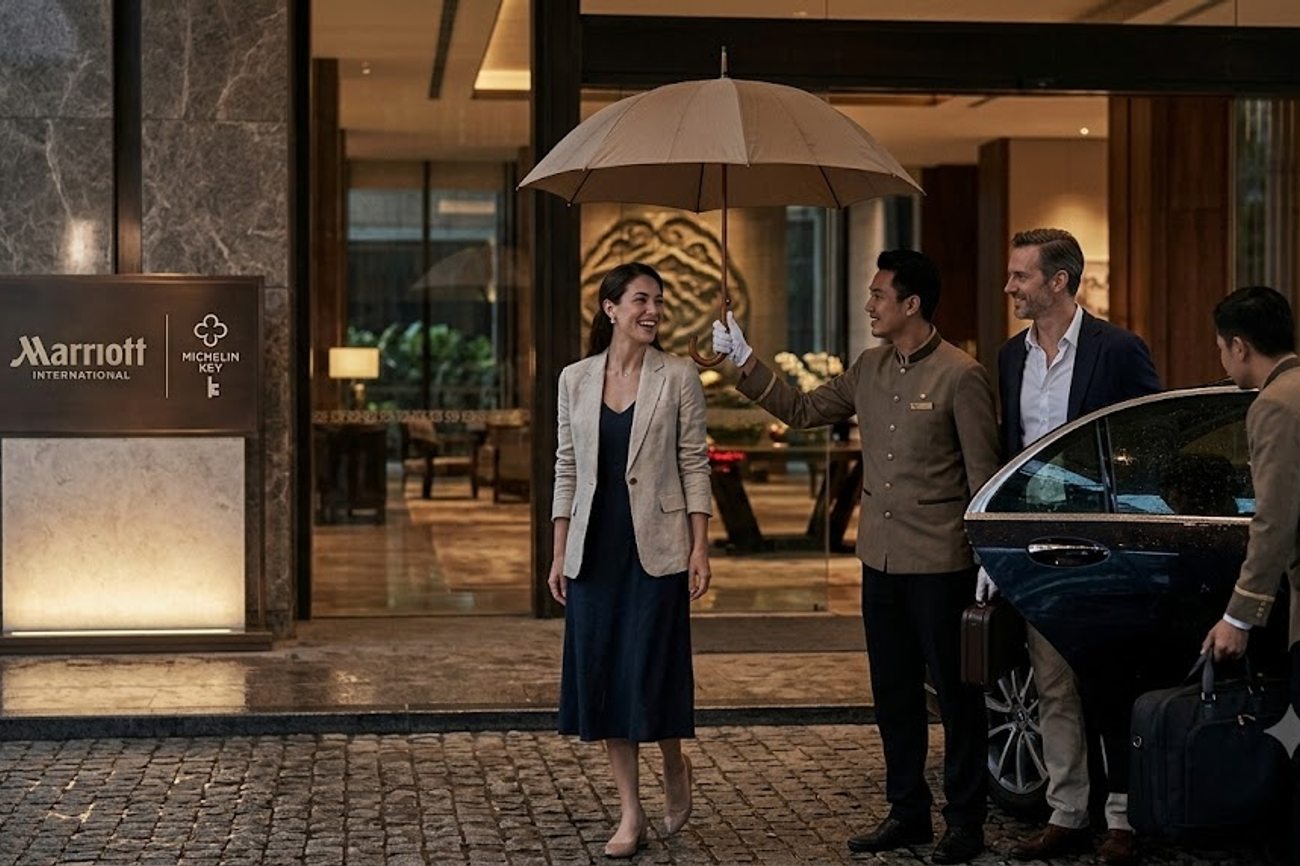
Image generated by AI
title: "The New Standard of Luxury: Decoding the MICHELIN Key Awards in Asia Pacific" date: 2026-09-18 description: "An insider's look at the shift in luxury hospitality across Asia Pacific following the 2026 MICHELIN Key Awards, highlighting the properties that transcend accommodation to become cultural destinations."
While most travelers rely on star ratings to judge a hotel, the 2026 MICHELIN Key Awards have introduced a far more rigorous metric where only 44 Marriott properties across Asia Pacific (excluding China) secured a total of 56 Keys. This shift marks a transition from quantifying amenities to qualifying the actual soul of a property—its architecture, its connection to the neighborhood, and the precision of its service.
The Evolution of the Luxury Stay
The announcement on 18 September 2026 reveals a fundamental change in how high-end travel is curated in the region. The MICHELIN Key system does not simply look at the thread count of the sheets or the size of the infinity pool. Instead, it evaluates whether a hotel acts as a gateway to the local culture. For the seasoned nomad, this means the distinction between a "luxury hotel" and a "cultural destination" has finally been codified.
In the Asia Pacific region, the distribution of these awards shows a heavy lean toward properties that blend hyper-modernity with ancestral heritage. The Three MICHELIN Key tier—the absolute pinnacle of the scale—is reserved for properties that offer an experience that cannot be replicated elsewhere. Bvlgari Hotel Tokyo, HOTEL THE MITSUI KYOTO, Mandapa, a Ritz-Carlton Reserve, and Phulay Bay, a Ritz-Carlton Reserve have all achieved this status. These aren't just places to sleep; they are architectural statements that integrate with their surroundings, whether it is the refined serenity of Kyoto or the secluded shores of Thailand.
The Two MICHELIN Key category highlights properties that possess a distinct character and a consistently elevated guest experience. This group includes the Bvlgari Resort Bali, Iniala Beach House, The Ritz-Carlton Maldives (Fari Islands), and The Ritz-Carlton, Nikko. These hotels typically excel in creating a "sense of place," ensuring that a guest in Bali feels the specific energy of the island rather than a generic corporate luxury template.
What Makes These Properties Different
To understand why a property like the Josun Palace in Seoul Gangnam or the The Tasman in Hobart earns a One MICHELIN Key, one must look at the intersection of design and psychology. The MICHELIN inspectors focus on the "lasting impression"—the specific, often intangible moments of service that make a guest feel seen rather than processed.
In Japan, the focus is often on omotenashi—the Japanese art of selfless hospitality. Properties like the JW Marriott Hotel Nara or the Suiran, a Luxury Collection Hotel, Kyoto, utilize their physical space to encourage a slower pace of life. The architecture in these locations often mirrors the natural environment, using materials and layouts that reflect the local geography.
In Southeast Asia, the approach differs. The Slate in Thailand or the Singapore EDITION focus on "lifestyle luxury," where the hotel serves as a social hub for the creative class. These properties are designed to be porous, allowing the energy of the city to bleed into the lobby, while providing a sanctuary of high design for the guest. This variety—from the meditative silence of a Ritz-Carlton Reserve to the high-energy pulse of an EDITION hotel—shows that luxury is no longer a monolith.
Visitor Insider Tips
Navigating these high-tier properties requires a different strategy than booking a standard resort. To truly experience the value that earns a MICHELIN Key, consider these local perspectives:
Timing and Access For the Three Key properties in Japan, such as HOTEL THE MITSUI KYOTO, aim for a stay during the "shoulder seasons" (late May or early November). The architecture is designed to interact with the changing colors of the foliage, and the crowds are thinner, allowing you to experience the meditative silence the property is known for.
Marriott International has achieved a significant milestone in the Asia Pacific region, securing 56 MICHELIN keys across its hotels, demonstrating the company's commitment to luxury hospitality excellence. For travelers seeking to experience these award-winning hotels, they can visit the official Marriott International website to explore options and book their stays. This recognition is a testament to the high standards of service and amenities offered by Marriott International properties.
Local Etiquette When staying at the Ritz-Carlton Reserve properties like Mandapa, embrace the "slow travel" ethos. These resorts are designed for immersion. Instead of scheduling a packed itinerary of city tours, dedicate at least 48 hours to the property's internal rituals—morning meditations, local craft workshops, or curated dining experiences that use ingredients sourced from within a few kilometers of the hotel.
Transport Hacks For those visiting the One Key properties in dense cities like Seoul or Tokyo, avoid relying solely on hotel cars. Use the highly efficient local rail systems to reach the neighborhood first, then take a short taxi to the hotel. This allows you to see the "real" neighborhood surrounding the hotel, which is often where the property's cultural connection is most evident. For example, exploring the streets around TRUNK (HOTEL) YOYOGI PARK provides a better context for the hotel's design philosophy than arriving in a black car.
Regional Specialties If you are basing yourself in Nara at the JW Marriott or Shisui, venture beyond the hotel's dining room to find local kaki-no-ha zushi (persimmon leaf-wrapped sushi). The hotels often have concierges who can point you to the specific family-run shops that have existed for generations, bridging the gap between five-star luxury and authentic street food.
Cultural and Environmental Context
The rise of the MICHELIN Key system coincides with a growing tension in Asia Pacific: the balance between luxury tourism and heritage preservation. When a hotel becomes a "cultural destination," it takes on a responsibility to the local community.
Properties like the TA’AKTANA in Labuan Bajo or the Innit Lombok are operating in ecologically sensitive areas. The challenge for these luxury hubs is to provide an elevated experience without displacing local populations or straining natural resources. The "cultural authenticity" mentioned by MICHELIN inspectors often refers to how well a hotel integrates local artisans and sustainable practices into its operations.
Furthermore, the concentration of these awards in cities like Tokyo and Kyoto highlights the ongoing struggle with "over-tourism." By promoting hotels that emphasize "meaningful connections" over sheer volume, there is a push toward a higher-value, lower-impact model of tourism. This approach encourages guests to stay longer in one place and engage more deeply with the local environment, rather than ticking off a list of landmarks. For the local communities, this means a shift from being a "backdrop" for photos to being active partners in the guest experience.
FAQ: Visiting Asia Pacific 2026
What is the best time to visit the MICHELIN Key properties in Japan? Spring (March to May) for cherry blossoms and Autumn (October to November) for maple leaves are peak. For a more intimate experience with less noise, visit in early June or late February.
Do I need a visa for these destinations? Visa requirements vary by nationality. Most travelers to Japan, Thailand, and Singapore have streamlined processes, but always check the official Visit Japan Web or the Singapore Immigration & Checkpoints Authority before booking.
How do I get to the remote Ritz-Carlton Reserves? Properties like Mandapa or Phulay Bay typically arrange private luxury transfers from the nearest international airport. It is highly recommended to book these through the hotel to ensure a seamless transition from the airport to the sanctuary.
Are these luxury hotels suitable for solo travelers? Yes. Many of the One and Two Key properties, especially the EDITION and Design Hotels, cater to a solo, creative demographic with vibrant lobby scenes and social dining options that make solo stays feel integrated rather than isolating.
True luxury is no longer about what you are given, but how a place makes you feel connected to the world around you.
Related Travel Guides
- Florida Teams Up with California Across America’s Visitor Capitals as International Tourism Spending Expands
- India Travel Transforms As Delhi Unveils Barapullah Phase 3 Corridor Cutting Commute Time With Smart Connectivity
- Delta Air Lines Travel Expands LAX Network With New Monterey Philadelphia Routes and Bigger US Connectivity
This article is for informational purposes. Flight routes, passenger regulations, visa rules, and transit advisories are subject to change by airlines and aviation authorities. Readers are advised to verify schedules and travel documentation with relevant carriers and border agencies before departure.
Related Stories
Malaysia Tourist Fares Hike: 30-80% Rise in Ground Transport Costs and Hotel Taxes for International Visitors in 2026

European Mass Protests Disrupt Travel Across France, Italy, Belgium, and Turkey in 2026