
Italy and Lithuania Lead Europe's Mushroom Tourism Surge: Autumn Forest Travel Trends 2026
European destinations including Italy, Lithuania, and Estonia are transforming autumn forests into premium travel attractions through mycotourism, blending biodiversity education with regional culinary traditions.

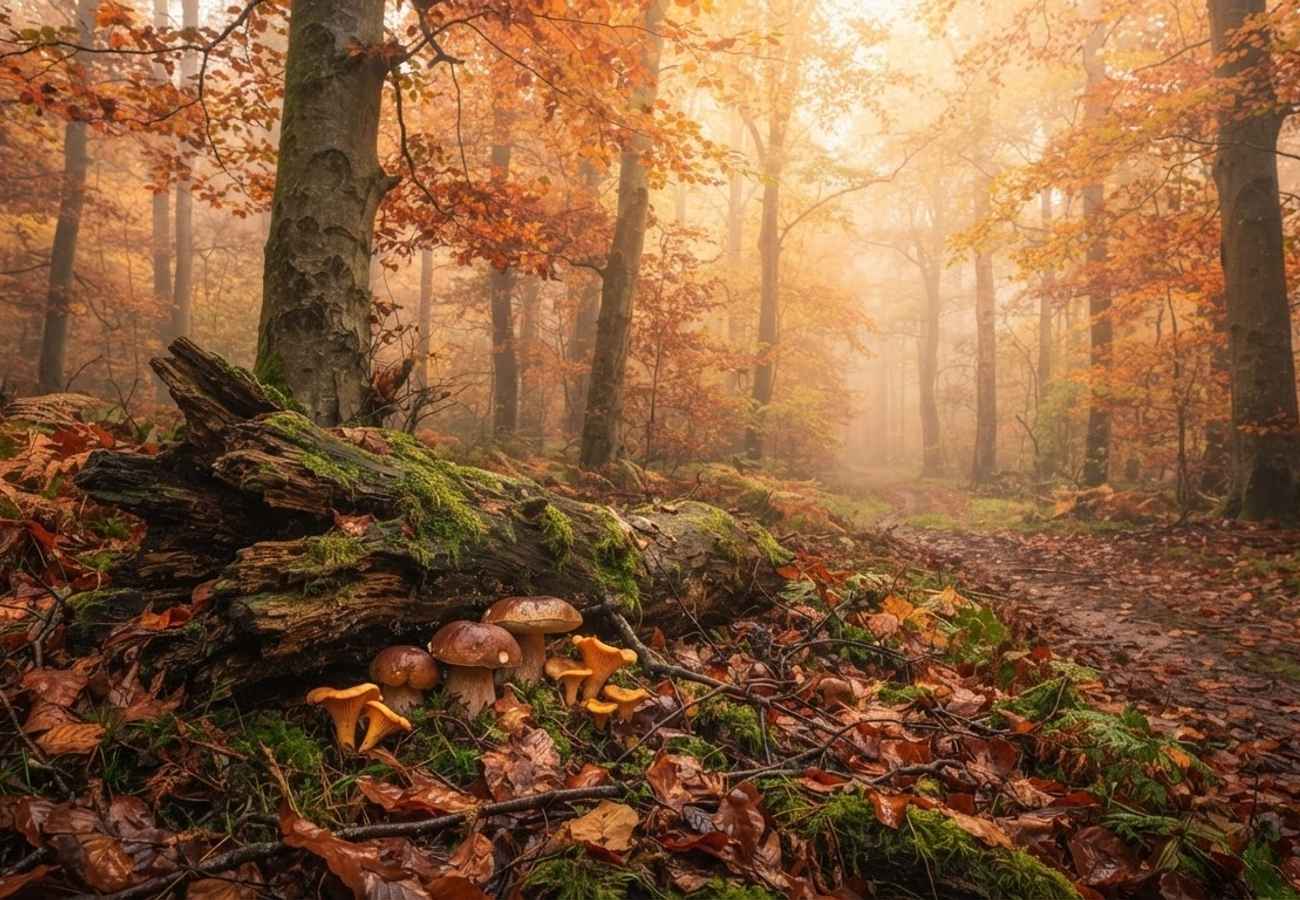
Image generated by AI
European nations are leveraging the celebration of European Mushroom Day to pivot toward "mycotourism," a specialized travel sector where biodiversity, rural heritage, and gastronomy intersect to drive autumn visitor numbers.
The shift toward fungi-based travel represents a broader movement in the European tourism industry to move beyond traditional urban sightseeing. By integrating forest trails, foraging workshops, and seasonal food festivals, countries like Italy, Lithuania, and Estonia are repositioning their rural landscapes as immersive destinations. This trend emphasizes the ecological role of fungi in forest health while providing a sustainable economic engine for remote communities.
The Rise of Mycotourism in Autumn Travel
Autumn has long been a season for foliage viewing and harvest festivals, but 2026 marks a significant shift as mushrooms become a primary catalyst for travel. Mycotourism—the practice of traveling specifically to explore fungi—combines recreational hiking with environmental education and gastronomic discovery.
Unlike high-traffic tourist attractions, mushroom-centric experiences demand a slower pace. Travelers typically engage with certified guides to learn species identification and understand the symbiotic relationship between fungi and forest ecosystems. This "slow travel" approach appeals to a growing demographic of tourists prioritizing mental wellness and a deeper connection with the natural world.
| Traveller Interest | Mushroom Tourism Connection |
|---|---|
| Authentic experiences | Local forest traditions |
| Sustainable travel | Low-impact nature activities |
| Food discovery | Seasonal regional cuisine |
| Wellness travel | Time spent outdoors |
Northern Europe's Forest Destinations
The woodlands of Northern and Central Europe serve as the primary laboratories for this tourism evolution. In these regions, the forest is not merely a backdrop but a cultural asset.
In Estonia, foraging is deeply woven into the national identity. The country has successfully marketed its vast forest cover and high biodiversity to international visitors, offering "forest-to-table" experiences that blend wild mushroom discovery with traditional Estonian food practices.
Germany is adopting a more academic approach, with an increase in guided educational tours. These excursions prioritize biodiversity and the ecological necessity of fungi over the act of collection, aligning with stricter conservation goals.
| Country | Forest Tourism Experience |
|---|---|
| Estonia | Guided mushroom walks and forest-to-table experiences |
| Germany | Educational mushroom tours |
| Lithuania | Traditional mushroom gathering |
| Poland | Family forest traditions |
| Czechia | Seasonal mushroom hunting culture |
Lithuania's Cultural Heritage and Foraging
Lithuania stands out for its ancestral connection to the autumn harvest. For generations, gathering wild mushrooms has been a cornerstone of rural Lithuanian life, often serving as a family bonding activity.
Today, this heritage is being packaged into cultural travel experiences. Visitors can move from guided forest excursions to local village markets, experiencing a seamless transition from the wild harvest to the dinner table. This community-based tourism model allows rural villages to capture economic value from visitors who would otherwise bypass these regions for major cities.
| Lithuanian Mushroom Experience | Visitor Appeal |
|---|---|
| Forest walks | Traditional lifestyle experience |
| Mushroom cuisine | Authentic local flavours |
| Rural villages | Community-based tourism |
| Autumn landscapes | Scenic seasonal travel |
Culinary Integration in Italy and France
While Northern Europe focuses on the act of foraging, Southern Europe—specifically Italy and France—is linking mycotourism to its world-renowned culinary prestige. In these regions, mushrooms are treated as premium seasonal ingredients that drive high-end gastronomic tourism.
In Italy, the regions of Tuscany and Emilia-Romagna have become hubs for autumn food journeys. Travelers frequently combine luxury countryside stays with visits to local markets and restaurants specializing in seasonal fungi. Similarly, France leverages its regional markets and forest-inspired gastronomy to attract food-focused travelers during the autumn months.
| Destination | Culinary Travel Experience |
|---|---|
| Tuscany, Italy | Mushroom dishes and countryside dining |
| Emilia-Romagna, Italy | Autumn food traditions |
| France | Forest-inspired gastronomy |
| Austria | Seasonal mushroom cuisine |
Comparing Europe's Top Mushroom Destinations
Depending on the traveler's priority—whether it be adventure, luxury, or education—different European destinations offer varied experiences.
| Destination | Main Attraction | Tourism Style |
|---|---|---|
| Estonia | Forest foraging and nature tours | Eco-tourism |
| Lithuania | Traditional mushroom gathering | Cultural tourism |
| Tuscany, Italy | Mushroom cuisine and countryside | Culinary tourism |
| Croatia | Forest landscapes and gastronomy | Adventure tourism |
| Germany | Guided educational walks | Nature learning |
| Austria | Alpine mushroom experiences | Outdoor tourism |
Driving Sustainable Rural Growth
Mushroom tourism is inherently aligned with the principles of sustainable travel. Because it relies on the preservation of healthy forest ecosystems, it encourages conservation rather than exploitation.
From an economic standpoint, this trend redistributes tourism spending away from overcrowded cities and into rural economies. The financial benefits are felt directly by local guides, small-scale rural accommodations, and regional food producers. Furthermore, by creating a viable attraction for the autumn months, destinations can reduce their reliance on the volatile summer peak season.
| Benefit | Tourism Impact |
|---|---|
| Longer autumn travel season | Reduces dependence on summer tourism |
| Rural visitor spending | Supports local communities |
| Environmental education | Encourages conservation |
| Local food promotion | Strengthens regional identity |
Safety and Ethics for the Modern Forager
The rise of mycotourism necessitates a strict adherence to safety and environmental ethics. Because many wild fungi are toxic or look-alikes to edible species, professional guidance is non-negotiable for non-experts.
Travelers are urged to adhere to the following guidelines:
- Professional Guidance: Only forage with certified local experts.
- Regulatory Compliance: Follow specific national and regional laws regarding collection limits.
- Consumption Caution: Never ingest wild mushrooms without expert verification.
- Habitat Protection: Avoid disturbing the soil or damaging the surrounding flora to ensure forest regeneration.
As Europe embraces the fungi kingdom, the forest is becoming the new frontier for the conscious traveler.
Related Travel Guides
Disclaimer
This article is for informational and educational purposes only. It does not constitute legal, financial, or professional advice. While we strive to provide accurate and up-to-date information, travel policies, regulations, and conditions change rapidly. Always verify information with official sources before making travel decisions. Nomad Lawyer makes no representations about the accuracy, reliability, completeness, or suitability of the information provided. Readers should consult qualified professionals for advice specific to their circumstances. The views expressed in this article are those of the author and do not necessarily reflect the views of Nomad Lawyer.
Kunal K Choudhary
Co-Founder & Contributor
A passionate traveller and tech enthusiast. Kunal contributes to the vision and growth of Nomad Lawyer, bringing fresh perspectives and driving the community forward.
Learn more about our team →