
13 Must-See Mayan Ruins Across Mexico: Complete 2026 Archaeological Guide for History Travelers
Explore Mexico's 13 most iconic Mayan ruins from Chichén Itzá to hidden jungle temples. A complete archaeological travel guide for 2026 with locations, hours, and insider tips.

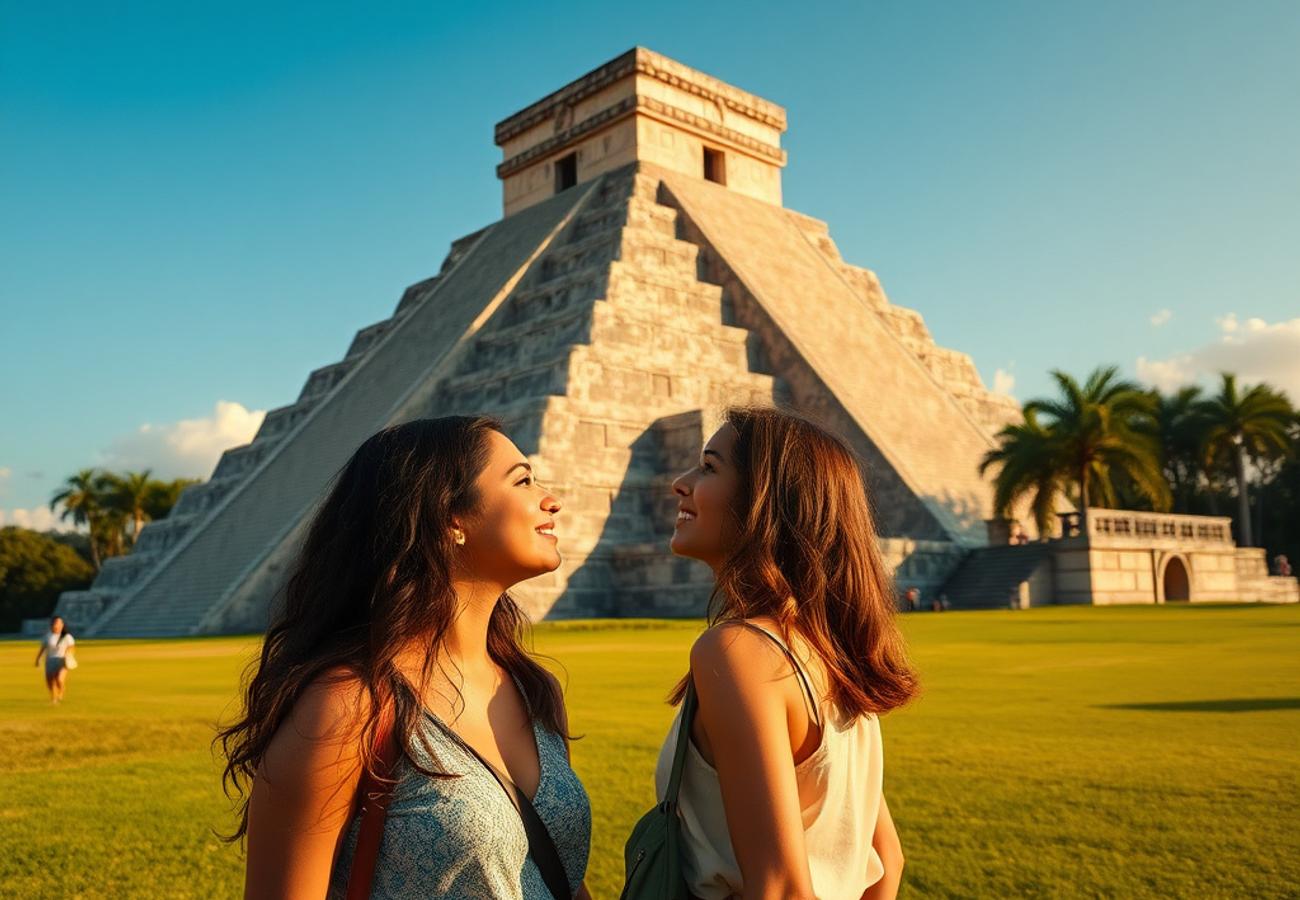
Image generated by AI
The Gateway to Ancient Civilizations: Why Mexico's Mayan Ruins Matter
Mexico isn't just another tropical beach destination. Beneath its lush canopies and vibrant cities lies one of humanity's most sophisticated ancient civilizations. The Mayan people built a empire so architecturally advanced that some structures predate the pyramids of Egypt.
These aren't mere piles of stone—they're monuments to brilliance. Each temple, each pyramid, each intricately carved hieroglyph tells stories of a culture where rulers were worshipped as gods incarnate. The Mayans engineered sophisticated water systems, developed a mathematical concept of zero centuries before Europe, and created calendars so precise they still astound modern astronomers.
If you're a history lover planning 2026 travel to Mexico, these 13 archaeological sites demand your attention.
Chichén Itzá, Yucatán: Mexico's Most Iconic Mayan Monument
Location: 97751 Yucatán
Hours: Monday-Sunday 8:00 AM - 5:00 PM
Chichén Itzá is the heavyweight champion of Mexico's archaeological circuit. The Castillo de Kukulcán dominates the landscape with nine perfectly proportioned platforms rising toward the sky. This isn't just impressive—it's engineered genius. During the spring and autumn equinoxes, sunlight creates a shadow pattern that resembles a serpent descending the pyramid's face, an effect the ancient architects intentionally designed.
Walk through ancient ball courts where Mayan athletes competed in rituals tied to cosmological beliefs. Wander past temples layered with spiritual significance. The site sits conveniently between Cancún and Mérida, making access straightforward. Yes, it's crowded with tourists, but that energy adds to the experience.
A major development: Chichen Viejo, a separate archaeological section, opened to public access for the first time in September 2023, offering previously restricted glimpses into older ceremonial structures.
Reddit: "Chichén Itzá absolutely lived up to the hype. The sheer scale is mind-blowing, and the architectural precision makes you realize how advanced these people were." — r/travel
Tulum, Quintana Roo: Cliffside Beauty Meets Caribbean Grandeur
Location: Zona Hotelera Tulum, 77765 Quintana Roo
Hours: Monday-Sunday 8:00 AM - 5:00 PM
Tulum breaks the mold. While other Mayan sites sprawl inland, Tulum perches dramatically on limestone cliffs overlooking the Caribbean Sea. The structures here are smaller and less monumental than Chichén Itzá, but they possess an undeniable charm that larger sites lack.
Picture ancient merchants arriving by canoe, trading goods as waves crashed below. The Templo del Dios de Viento (Temple of the Wind God) stands as Tulum's signature structure—a small temple with a distinctive round base honoring the wind deity. This architectural choice transforms it into one of Mexico's most photographed archaeological features.
The juxtaposition of crumbling stone against turquoise waters creates photographic magic that justifies Tulum's status as a top Mexican destination.
Palenque, Chiapas: Where Only 10% of Secrets Have Been Uncovered
Location: Zona Archaeologica Km. 8, 29960 Palenque, Chiapas
Hours: Monday-Sunday 8:00 AM - 4:00 PM
Palenque proves that bigger doesn't mean better. Located in Chiapas's misty jungle landscape, this site compensates for its modest size with architectural refinement that rivals any structure on earth.
The Pyramid of the Inscriptions stands at 89 feet (27 meters)—modest in height but monumental in artistry. Its temple walls overflow with intricate Maya hieroglyphs, essentially functioning as a stone-carved manuscript documenting royal lineage and cosmic beliefs.
Here's what stops most archaeologists in their tracks: experts estimate only 10 percent of Palenque's archaeological treasures have been discovered. The jungle continues to guard secrets buried beneath roots and vines for over a thousand years.
Uxmal, Yucatán: The Puuc Style Masterpiece
Location: 97884 Uxmal, Yucatán
Hours: Monday-Sunday 8:00 AM - 4:00 PM
The Mayan world wasn't monolithic. Independent city-states shared language and religious frameworks but developed distinct architectural personalities. Chichén Itzá and Uxmal perfectly exemplify this regional diversity.
Uxmal's Pyramid of the Magician represents the Puuc architectural style—intricate, ornate, geometrically complex. Every stone placement serves aesthetic and ceremonial purposes. The surrounding structures exhibit this refined sensibility throughout, making Uxmal feel like an outdoor museum of architectural philosophy.
Located just 70 minutes by car from Mérida, Uxmal offers an escape from the tourist crowds that swarm Chichén Itzá while delivering comparable historical impact.
Tula, Hidalgo: Quick Impact for Time-Pressed Travelers
Location: Boulevard Tula y Iturbe Km 2.5, El Salitre, 42800 Tula de Allende, Hidalgo
Hours: Monday-Sunday 9:00 AM - 4:00 PM
If you're racing against the clock, Tula delivers maximum historical immersion in minimum time. You can explore the entire site in approximately one hour.
The Pyramid of Quetzalcoatl commands attention with its colossal statues of Toltec warriors—stern faces carved from basalt, eternally guarding the ceremonial center. The site flourished between 950-1150 CE, serving as a regional powerhouse before its mysterious collapse.
Admission includes access to two on-site museums housing artifacts that illuminate daily life, religious practices, and military organization. Weekend markets surrounding the site buzz with vendors selling authentic regional crafts.
Cobá, Quintana Roo: The Jungle's Wild Child
Location: 77793 Cobá, Quintana Roo
Hours: Monday-Sunday 8:00 AM - 4:00 PM
Cobá feels like stepping into an Indiana Jones film. Dense jungle completely consumes many ruins, creating an atmosphere of archaeological discovery rather than polished tourism.
The site houses the tallest pyramid in the region, second only to other Yucatán structures. More dramatically, many temples remain cloaked beneath tangled roots and vines, their secrets still guarded by nature's relentless grip. Climbing to the summit rewards adventurous explorers with panoramic jungle vistas stretching to the horizon.
This is archaeology raw and untamed—not the sanitized, heavily developed experience of major tourist hubs. Cobá demands a sense of adventure but delivers unfiltered historical immersion.
Kohunlich, Quintana Roo: The Trade Route Temple
Location: Chetumal-Escárcega, 77981 Quintana Roo
Hours: Monday-Sunday 8:00 AM - 4:30 PM
Beyond the glittering Laguna Bacalar and pristine Costa Maya, Kohunlich emerges as an enigmatic archaeological treasure. While not a major capital, Kohunlich commanded strategic importance as a crucial trade waypoint connecting distant Mayan city-states.
The Temple of the Masks stands as the site's crowning achievement, adorned with colossal stucco masks that originally gleamed with pigment. The climbable "27 Steps" structure offers dramatic panoramic vistas of surrounding jungle, transforming a simple climb into a meditative journey through time.
Cholula, Puebla: The World's Largest Pyramid by Volume
Location: Puebla State
Hours: Variable (confirm before visiting)
Forget Egypt's Giza. The world's largest pyramid by volume isn't the famous triangular monument in Cairo—it's Cholula in Mexico. This colossal structure sprawls across an enormous footprint with a height that initially deceives visitors expecting a dramatic peak.
Spanish conquistadors, confronted with a site they couldn't comprehend, constructed a colonial church directly atop the pyramid—an act of cultural overlay that paradoxically preserved the ancient structure for 500 years.
Planning Your 2026 Mayan Archaeology Journey
Seasonal considerations matter significantly. The Yucatán experiences intense heat and humidity June through September, with hurricane season presenting travel risks July through October. December through March offers ideal temperatures, lower rainfall, and optimal visibility for photography.
Comprehensive Mexico travel insurance becomes essential when exploring remote archaeological sites. Infrastructure surrounding major ruins like Chichén Itzá ensures steady medical access, but sites like Kohunlich and Cobá require advance planning.
Guided tours significantly enhance archaeological understanding. Professional archaeologists and historians contextualize stonework, explain construction techniques, and decode hieroglyphic meanings that remain invisible to untrained eyes.
Reddit: "Hiring a local guide transformed my Palenque visit from sightseeing into genuine education. They explained the astronomical alignments and royal lineage stories carved into every temple." — r/archaeology
Transportation and Logistics
Mexico's archaeological sites cluster in the Yucatán Peninsula and central regions, but distances between sites range from manageable to substantial. Chichén Itzá, Tulum, Cobá, and Uxmal form a logical Yucatán circuit accessible from Cancún. Palenque requires separate planning, nestled in Chiapas's jungle interior.
Rental cars provide maximum flexibility, though navigating rural roads demands caution. Organized tour groups from major tourist centers offer convenience at the cost of scheduling rigidity.
The Enduring Legacy of Mayan Civilization
These ruins transcend tourist attractions. They represent intellectual achievements, astronomical knowledge, and artistic refinement that fundamentally challenge Western historical narratives about ancient civilizations.
When you stand beneath a pyramid engineered without metal tools or wheeled vehicles, when you decipher hieroglyphic records detailing royal genealogies and cosmic cycles, when you understand that zero as a mathematical concept emerged from Mayan minds—you confront the undeniable brilliance of a people whose civilization flourished for over 3,000 years.
Mexico's Mayan archaeological sites demand respect, time, and genuine curiosity. They reward visitors who approach them not as checkbox tourism but as pilgrimages through humanity's shared intellectual heritage.
The stones speak—if you're willing to listen.
Related Travel Guides
Disclaimer
This article is for informational and educational purposes only. It does not constitute legal, financial, or professional advice. While we strive to provide accurate and up-to-date information, travel policies, regulations, and conditions change rapidly. Always verify information with official sources before making travel decisions. Nomad Lawyer makes no representations about the accuracy, reliability, completeness, or suitability of the information provided. Readers should consult qualified professionals for advice specific to their circumstances. The views expressed in this article are those of the author and do not necessarily reflect the views of Nomad Lawyer.
Preeti Gunjan
Contributor & Community Manager
A passionate traveller and community builder. Preeti helps grow the Nomad Lawyer community, fostering engagement and bringing the reader experience to life.
Learn more about our team →