
Arizona Camping Hiking Gem Emerges Between Las Vegas and Phoenix
Arizona's hidden mountain region between Las Vegas and Phoenix is rapidly gaining recognition as a premier hiking and wildlife destination in 2026, attracting outdoor enthusiasts seeking world-class trails and birdwatching opportunities.

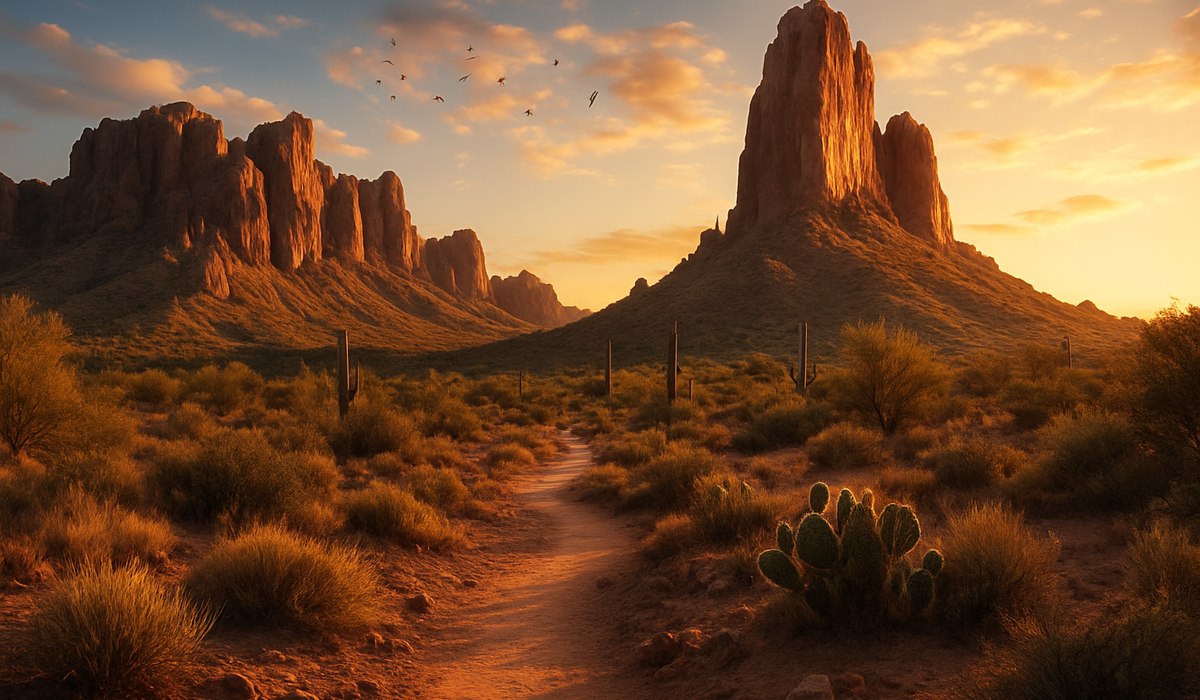
Image generated by AI
Arizona's Mountain Camping Hub Rises as Outdoor Travel Hotspot
Arizona's remote mountain region, nestled strategically between Las Vegas and Phoenix, is experiencing unprecedented growth as a premier destination for Arizona camping hiking enthusiasts. This lesser-known wilderness area towers above the desert plains, offering world-class hiking trails, exceptional birdwatching opportunities, and well-maintained camping facilities that cater to both novice and experienced outdoor adventurers. Throughout 2026, travel operators report increasing visitor numbers as word spreads about this scenic mountain corridor.
Location and Accessibility Between Las Vegas and Phoenix
The mountain camping region sits approximately 150 miles south of Las Vegas and 100 miles north of Phoenix, positioning it as an ideal midpoint for travelers exploring the Southwest. This strategic location makes it accessible via Interstate 15 and Highway 93, transforming it into a natural waypoint for cross-state journeys. The elevation ranges from 3,000 to 7,000 feet, creating diverse ecosystems that support rich biodiversity. Multiple entry points allow visitors to customize their approach based on preferred scenic routes. Official tourism information at Arizona's official tourism board provides comprehensive guidance for trip planning. The compact geography means most attractions lie within 45 minutes of major highway corridors, reducing driving time between activities.
Hiking Trails and Scenic Routes
Arizona's mountain camping terrain features over 150 miles of maintained hiking trails ranging from beginner-friendly walks to challenging alpine routes. The scenic pathways wind through pine forests, past waterfalls, and across meadows that transform dramatically with seasonal changes. Popular trails like Eagle Peak and Ridgeline Summit offer panoramic vistas spanning across three states on clear days. Intermediate hikers gravitate toward loop routes that combine challenging elevation gains with rewarding viewpoints. Well-marked trailheads include parking areas, rest facilities, and interpretive signs explaining regional geology and ecology. Spring and fall provide optimal conditions with moderate temperatures and minimal weather disruptions. TripAdvisor hiking reviews offer real-time feedback from recent visitors about trail conditions and difficulty ratings.
Wildlife Watching and Birdwatching Opportunities
This region ranks among America's premier birdwatching destinations, hosting over 280 bird species throughout the year. Migratory patterns bring unique avian visitors during spring and fall transitions, creating ideal observation windows. Common sightings include Steller's jays, mountain bluebirds, Clark's nutcrackers, and occasional golden eagles. Early morning and dusk provide optimal viewing conditions when bird activity peaks. Experienced ornithologists recommend binoculars with 8x42 magnification for detailed observation. Guided birdwatching tours operate seasonally, pairing enthusiasts with local experts familiar with species identification and habitat preferences. Beyond birds, wildlife includes mule deer, javelinas, black bears, and mountain lions—necessitating proper food storage and campsite protocols. The biodiversity makes every hiking excursion an opportunity for unexpected wildlife encounters.
Camping Facilities and Amenities
Modern campgrounds throughout the region offer amenities ranging from rustic tent sites to full-hookup RV accommodations. All facilities include maintained restroom buildings, potable water, and waste disposal stations meeting current health standards. Many campgrounds provide picnic tables, fire rings, and bear-proof food storage lockers. Premium sites offer electricity, Wi-Fi connectivity, and proximity to ranger stations staffed with naturalists and emergency responders. Accessibility features accommodate visitors with mobility constraints, including wheelchair-accessible trails and facilities. Camping reservations fill quickly during peak seasons, making advance booking essential for summer and holiday periods. Nightly rates range from $15 for basic tent camping to $45 for full-hookup RV sites, with group discounts available for larger parties.
Best Time to Visit
Peak visitation occurs from May through September when warm daytime temperatures and cool evenings create ideal camping conditions. July and August bring afternoon thunderstorms that, while spectacular, can impact trail safety and visibility. Spring months (April-May) offer wildflower displays, manageable crowds, and reliable weather for Arizona camping hiking adventures. Fall (September-October) delivers crisp mornings, stunning foliage transitions, and excellent birdwatching during migration season. Winter activities diminish substantially as higher elevations experience snow and icy conditions that close many trails. Most facilities remain open year-round, though some seasonal closures occur in January and February. Early June and late August offer favorable conditions with fewer visitors than mid-summer, appealing to travelers seeking quieter experiences.
How to Get There
From Las Vegas, travel south on Interstate 15 for approximately 90 minutes, then follow Highway 93 southbound toward the mountain region. The route includes well-marked exits and directional signage guiding visitors to major campground entrances. From Phoenix, drive north on Interstate 17 for roughly 60 minutes, connecting to regional highways that branch toward camping areas. GPS coordinates for primary trailheads and campgrounds ensure accurate navigation in areas with spotty cellular coverage. Rental vehicles suitable for unpaved access roads remain available at both Las Vegas and Phoenix airports. The drive from either metropolitan area requires minimal supplies since small towns along routes offer fuel, groceries, and basic provisions. Plan for three to four hours total travel time including rest stops from either major city center.
Key Travel Information
| Detail | Information |
|---|---|
| Distance from Las Vegas | 150 miles south |
| Distance from Phoenix | 100 miles north |
| Elevation Range | 3,000–7,000 feet |
| Bird Species Documented | 280+ species |
| Hiking Trail Miles | 150+ maintained trails |
| Best Camping Season | May–September |
| Average Tent Site Cost | $15–25 per night |
| Peak Visitation Period | July–August |
| Primary Highway Access | Interstate 15, Highway 93 |
| Accessibility Features | Wheelchair trails, accessible facilities |
What This Means for Travelers
This emerging destination offers multiple immediate benefits for outdoor enthusiasts planning Southwest adventures:
-
Cost-Effective Positioning: Stop between Vegas and Phoenix without significant route deviations, saving fuel and accommodation costs compared to separate trips.
-
Diverse Activity Options: Combine hiking, camping, and birdwatching in one location, maximizing trip variety within limited time budgets.
-
Crowd Advantage: Visit during shoulder seasons (April-May, September-October) to experience Arizona camping hiking without summer congestion.
-
Wildlife Documentation: Bring quality cameras and binoculars to capture rare bird species and mountain scenery that demand minimal additional planning.
-
Health and Wellness: Elevation exposure provides acclimatization benefits for flatlanders, while daily hiking naturally improves cardiovascular fitness during vacations.
-
Family-Friendly Options: Balance challenging trails with easier routes, accommodating varying fitness levels within single trip frameworks.
Frequently Asked Questions
What equipment do I need for Arizona camping hiking in this region?
Bring a quality tent rated for temperatures below 45°F, sleeping bags suitable for mountain conditions, and layered clothing for elevation temperature variations. Hiking boots with ankle support, sun protection, and at least three liters of water capacity per person are essential. Many casual hikers underestimate elevation challenges, so pack additional water than flat-terrain trips require.
Are permits required for camping and hiking between Las Vegas and Phoenix?
Most campgrounds operate on first-come, first-served basis or accept advance reservations through online systems. Day-hiking requires no permits on public lands, but overnight backcountry camping in some areas requires ranger notification. Check current regulations at Arizona's official tourism board before your visit.
What wildlife safety precautions matter most for Arizona camping hiking?
Store all food, toiletries, and sc
Disclaimer
This article is for informational and educational purposes only. It does not constitute legal, financial, or professional advice. While we strive to provide accurate and up-to-date information, travel policies, regulations, and conditions change rapidly. Always verify information with official sources before making travel decisions. Nomad Lawyer makes no representations about the accuracy, reliability, completeness, or suitability of the information provided. Readers should consult qualified professionals for advice specific to their circumstances. The views expressed in this article are those of the author and do not necessarily reflect the views of Nomad Lawyer.
Raushan Kumar
Founder & Lead Developer
Full-stack developer with 11+ years of experience and a passionate traveller. Raushan built Nomad Lawyer from the ground up with a vision to create the best travel and law experience on the web.
Learn more about our team →