Delta Air Lines Faces Passenger Fury as Operational Meltdown Leaves 400+ Flights Grounded

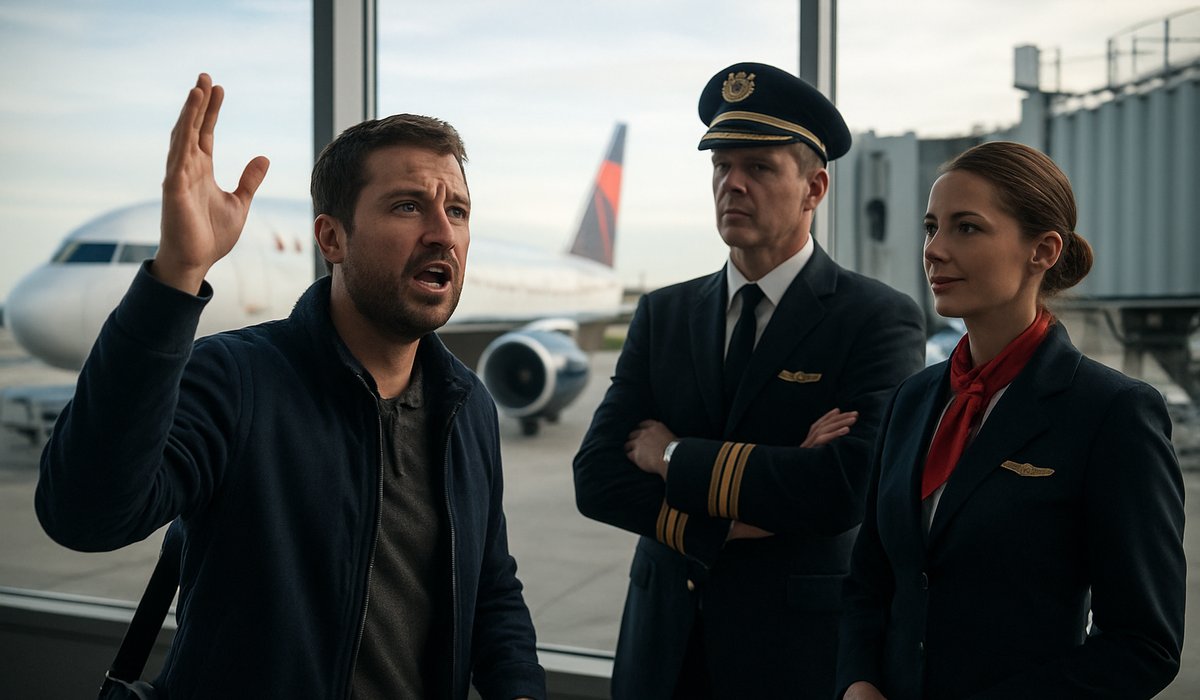
Image generated by AI
Viral gate confrontation exposes severe staffing shortages amid industry-wide pressure on airline operations
Breaking Down Delta's Weekend Crisis
Delta Air Lines confronted a significant operational breakdown over the weekend as the carrier cancelled more than 400 flights, triggering widespread passenger frustration and exposing critical staffing vulnerabilities across the airline's network. The disruption became emblematic of broader challenges facing the aviation industry as carriers grapple with capacity constraints, workforce shortages, and mounting operational pressures.
The situation escalated when a visibly exasperated passenger seized control of a gate intercom system to broadcast his grievances about absent airline personnel. Captured on video, the traveller's repeated pleas—including the pointed question, "Delta, Delta, is anybody working?"—resonated with thousands online, transforming a singular moment of frustration into a symbol of industry-wide dysfunction.
Understaffing Reveals Operational Vulnerability
The incident underscores persistent staffing challenges that have plagued major carriers throughout the post-pandemic recovery period. Airlines have struggled to rebuild workforce capacity at the same pace as travel demand resurged, creating bottlenecks in customer service, ground operations, and flight crew scheduling.
Delta's weekend collapse affected hundreds of thousands of passengers across its global network. The carrier, based in Atlanta and operating as one of the three largest US airlines, found itself unable to sustain normal operations—a position that raises questions about operational resilience and contingency planning among major carriers.
Broader Industry Implications
The cancellation cascade reflects structural challenges extending far beyond Delta's immediate crisis. Airlines across the sector face compounding pressures: elevated jet fuel costs stemming from geopolitical tensions, inflationary wage demands from unionized workforces, complex baggage handling systems requiring adequate staffing, and the ripple effects of unexpected disruptions.
Passenger experiences have deteriorated measurably as airlines implement additional fees—baggage charges, seat selection costs, and ancillary services—while simultaneously reducing operational capacity. This combination has created significant friction within the travelling public during a period when overall aviation demand remains robust.
Delta has not yet issued comprehensive public commentary addressing the specific weekend failures, though the airline typically attributes major disruptions to factors including weather, mechanical issues, or external operational constraints.
Looking Forward
The incident highlights an uncomfortable reality: as the aviation industry navigates post-pandemic recovery, growth has outpaced operational infrastructure and human capital development. Whether Delta and competitors can address these systemic gaps remains a critical question for passenger confidence and industry stability.
Frequently Asked Questions
Why are airlines cancelling so many flights? Major cancellations typically result from staffing shortages, maintenance issues, weather disruptions, and capacity constraints. Delta's weekend crisis combined multiple operational failures simultaneously.
How do flight cancellations affect airline fees and passenger costs? When flights are cancelled, airlines rarely refund ancillary charges like baggage fees. Passengers must either accept rebooking or navigate complex refund processes, effectively losing additional paid services.
What is the relationship between jet fuel prices and airline operations? Higher fuel costs compress airline margins, forcing carriers to reduce workforce investments and operational flexibility, making them more vulnerable to disruptions.
Are staffing shortages common across the aviation industry? Yes. Most major carriers have experienced post-pandemic recruitment and retention challenges, creating systemic vulnerabilities across the sector.
How can passengers protect themselves during airline disruptions? Book with major carriers offering robust rebooking options, purchase travel insurance, avoid non-refundable tickets when possible, and monitor airline operational performance before booking.
Related Travel Guides
- Breaking Airline News: Severe Travel Chaos Imminent as IndiGo Slashing 18 International Routes Strands Thousands Across Southeast Asia and Europe
- Aviation Updates: Skyrocketing Ticket Prices and AI Upgrades Dominate Global Airline News Amid Travel Chaos
- US Flights in Meltdown — 569 Cancelled, 5,713 Delayed Across America Today
This article is for informational purposes. Flight routes, passenger regulations, visa rules, and transit advisories are subject to change by airlines and aviation authorities. Readers are advised to verify schedules and travel documentation with relevant carriers and border agencies before departure.
Related Stories
Ultra-Comfortable Budget Flights: How Singapore, Japan, Malaysia, and Spain Are Redefining Long-Haul Low-Cost Air Travel
Alaska Airlines Connects Anchorage with Dallas, Austin, and Nashville in Summer 2027 Domestic Network Expansion