
Ireland's Lough Derg Way Models the Global Expansion of Mindful Slow Travel and Digital Detox Tourism
Discover how Ireland's Lough Derg Way is driving global demand for mindful slow travel, digital detox walking trails & farm-to-table rural tourism.

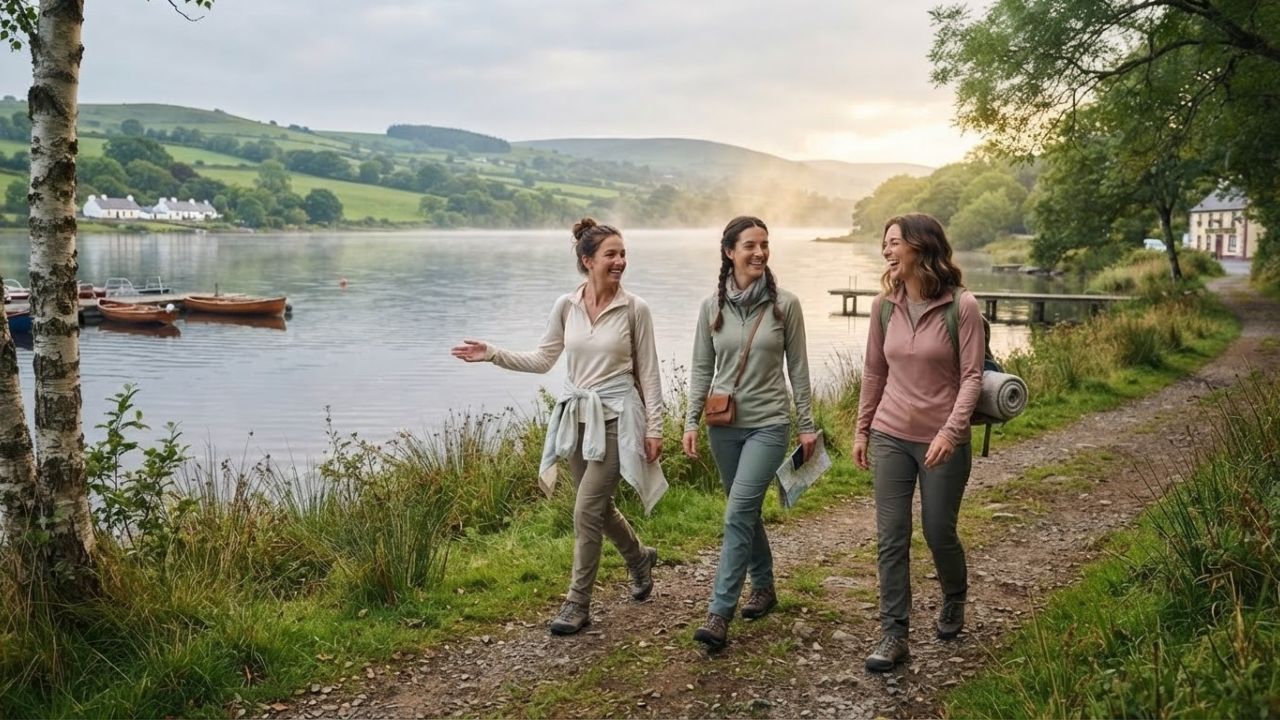
Image generated by AI
Ireland’s Lough Derg Way across Ireland’s Hidden Heartlands is setting an international benchmark for slow travel, combining lakeside walking trails, digital detox wellness, and farm-to-table rural hospitality.
KILLALOE, Ireland — International travel preferences are undergoing a fundamental shift away from crowded urban monuments toward unhurried, nature-based trail networks. Situated along the scenic shores of Lough Derg and the River Shannon, the Lough Derg Way in Ireland’s Hidden Heartlands demonstrates how low-impact walking routes generate sustainable economic growth for rural communities while providing travelers with complete mental disconnection from digital stress.
Tourism industry reports confirm that modern vacationers are increasingly prioritizing physical health, environmental integrity, and authentic cultural exchanges over rapid sightseeing, positioning regional waterway corridors at the center of global wellness tourism.
Macroeconomic Transition Toward Decentralized Rural Waterway Trails
The global expansion of slow travel represents a structural evolution in destination management. By encouraging visitors to spend extended periods exploring inland footpaths and lakeside villages, regional tourism authorities successfully disperse visitor spending into rural host communities.
This decentralized approach delivers significant economic and environmental benefits:
- Alleviating Urban Congestion: Directing visitor traffic away from overcrowded capital city hubs reduces strain on urban public transit and municipal utilities.
- Equitable Economic Distribution: Slow travelers spend money directly at independent bed-and-breakfasts, family-owned village bakeries, craft breweries, and local guide services.
- Reducing Seasonal Volatility: Unlike traditional coastal beach resorts that rely strictly on brief summer rushes, well-maintained walking trails attract steady visitor volumes across spring, summer, and autumn.
- Low-Impact Infrastructure: Pedestrian footpaths require minimal heavy construction, preserving natural habitats while attracting high-value, eco-conscious travelers.
Summary of The Lough Derg Way Slow Travel Infrastructure and Amenities
The table below outlines the key infrastructure components, geographic scope, eco-transit options, cultural highlights, and traveler benefits along The Lough Derg Way:
| Route Component / Amenity | Geographic Scope & Feature | Environmental & Traveler Benefit |
|---|---|---|
| Trail Footpath Network | ~64 km (40 miles) along River Shannon & Lough Derg | Permeable natural stone & timber paths preserving ecosystems |
| Regional Designation | Ireland's Hidden Heartlands (Fáilte Ireland) | Promotes low-carbon regional destination development |
| Farm-to-Table Gastronomy | Local dockside taverns, bakeries & artisanal producers | Shortens food supply chains & supports independent farmers |
| Heritage Monuments | Medieval monastic ruins, stone bridges & castle sites | Preserves historical architecture & living folklore |
| Multi-Modal Eco-Transit | Electric bike hires, kayak rentals & electric lake ferries | Eliminates private vehicle reliance & cuts carbon emissions |
| Digital Detox Sanctuaries | Screen-free lakeside trails & quiet woodland stretches | Lowers stress, restores cognitive focus & aids wellness |
| Off-Peak Seasonality | Active travel programming for spring, fall & early winter | Provides year-round revenue for rural hospitality businesses |
Farm-to-Table Gastronomy and Authentic Local Hospitality
A central highlight of walking along The Lough Derg Way is the integration between regional agriculture and local hospitality. Intimate village harbors, dockside eateries, and historic Irish pubs serve as vital social hubs where walkers connect with local residents.
Rather than relying on imported corporate food supplies, local taverns and guesthouses source fresh ingredients from nearby farms, orchards, and artisan producers. Travelers can sample handmade regional cheeses, traditional soda bread, freshly landed lake fish, and craft beverages prepared according to historic family recipes.
This emphasis on localized gastronomy keeps culinary traditions alive, provides stable income for smallholder farmers, and reduces carbon emissions associated with long-distance food transportation.
Preserving Medieval Heritage and Monastic Architecture Along Inland Waterways
The Lough Derg Way offers an engaging historical journey, guiding walkers past centuries-old historical structures, ancient monastic sites, stone bridges, and medieval castle ruins.
Informative, low-profile educational displays along the trail provide historical context regarding indigenous folklore, regional maritime trade, and early Christian heritage without altering the natural landscape.
By maintaining clear access footpaths and integrating historic landmarks into national walking routes, local authorities turn open countryside into living, accessible heritage spaces. This sustainable approach generates conservation funding, encouraging host communities to preserve their unique architectural and cultural identity.
Multi-Modal Eco-Transportation and Leave-No-Trace Infrastructure
To ensure that increased visitor volume does not degrade delicate ecosystems, authorities across Ireland’s Hidden Heartlands employ low-impact trail management standards. Footpaths are constructed using permeable natural stone and timber materials that prevent soil erosion and protect native flora.
Furthermore, the trail network supports multi-modal eco-transportation:
- Active Trail Walking: Clearly marked footpaths featuring Leave-No-Trace environmental guidance.
- E-Bike & Cycling Corridors: Quiet backroad bike trails connecting village harbors.
- Waterway Connections: Kayak rentals and electric passenger ferries allowing travelers to cross Lough Derg without private motor vehicles.
This integrated green transit network enables families, senior travelers, and international visitors arriving without cars to explore the lake district efficiently while minimizing carbon emissions.
Neurological and Health Benefits of Digital Detox Walking Holidays
Scientific research increasingly demonstrates that spending extended time in tranquil, green environments yields measurable physical and neurological health benefits. Constant screen exposure and daily workplace demands prompt travelers to seek out screen-free sanctuaries.
Walking along quiet waterside tracks allows individuals to step away from digital notifications, lowering heart rates, reducing cortisol levels, and restoring mental clarity.
Consequently, modern vacationers view walking holidays not as luxury indulgences, but as essential investments in personal wellness. Corporate organizations are similarly booking nature-based group retreats along regional trails like the Lough Derg Way to combat workplace burnout and enhance team cohesion.
Community-Led Conservation and Year-Round Seasonality Expansion
Nature-based walking trails play a crucial role in extending the travel season beyond peak summer months. Spring blossom walks, autumn foliage tours, and crisp early-winter hikes attract outdoor enthusiasts throughout twelve months of the year.
This year-round visitor flow provides reliable employment for local guesthouses, transport operators, and village shops, enabling younger residents to build fulfilling careers in their home communities rather than migrating to urban centers.
Furthermore, revenue generated by eco-conscious visitors directly funds community-led conservation initiatives—including native woodland reforestation, invasive species control, and continuous water quality monitoring across Lough Derg.
Why This Matters for Mindful Travelers and Regional Tourism Economies
For international travelers, visiting inland trail networks like The Lough Derg Way delivers deeper physical relaxation, authentic cultural immersion, and meaningful human connection at lower daily costs than crowded metropolitan destinations.
For rural communities, slow travel protects intangible cultural heritage—such as traditional music, local dialects, and native crafts—while creating sustainable, year-round economic opportunities.
Furthermore, demonstrating that high-value visitor engagement can coexist with environmental stewardship provides a proven template for destination managers worldwide seeking to build resilient eco-tourism ecosystems.
Traveler Planning Guide for Experiencing The Lough Derg Way
Travelers planning a slow travel journey along The Lough Derg Way should consider these practical guidelines:
- Select Key Trail Stages: Map out daily walking sections between main hubs like Limerick, Killaloe, Dromineer, and Portumna based on preferred daily walking distances.
- Book Heritage Bed & Breakfasts: Reserve boutique village guesthouses and historic lakeside inns in advance, particularly during shoulder spring and autumn months.
- Utilize Multi-Modal Transit Options: Combine walking days with electric boat ferries or e-bike rentals to explore wider sections of Lough Derg and the River Shannon.
- Pack for Variable Irish Weather: Wear sturdy waterproof hiking boots and layer breathable, weather-resistant clothing for changing lakeside conditions.
FAQ
Where is The Lough Derg Way located?
The Lough Derg Way is a long-distance walking trail located in Ireland's Hidden Heartlands, following the River Shannon and the shores of Lough Derg through counties Clare, Tipperary, and Limerick.
What is the length of The Lough Derg Way walking trail?
The Lough Derg Way stretches approximately 64 kilometers (40 miles), connecting historic towns and harbors including Limerick, Killaloe, and Dromineer.
How does slow travel along Lough Derg benefit local communities?
Slow travel distributes visitor spending directly into rural host communities, supporting independent guesthouses, farm-to-table eateries, craft breweries, and local transport operators year-round.
What eco-friendly transport options are available along the route?
Travelers can combine walking footpaths with electric bike hires, kayak rentals, and electric passenger ferries across Lough Derg, minimizing reliance on private automobiles.
Related Travel Guides
Disclaimer
This article is for informational and educational purposes only. It does not constitute legal, financial, or professional advice. While we strive to provide accurate and up-to-date information, travel policies, regulations, and conditions change rapidly. Always verify information with official sources before making travel decisions. Nomad Lawyer makes no representations about the accuracy, reliability, completeness, or suitability of the information provided. Readers should consult qualified professionals for advice specific to their circumstances. The views expressed in this article are those of the author and do not necessarily reflect the views of Nomad Lawyer.
Raushan Kumar
Founder & Lead Developer
Full-stack developer with 11+ years of experience and a passionate traveller. Raushan built Nomad Lawyer from the ground up with a vision to create the best travel and law experience on the web.
Learn more about our team →