
Iran Leads Middle East Heritage with 30 UNESCO World Heritage Wonders: The 2026 Regional Index

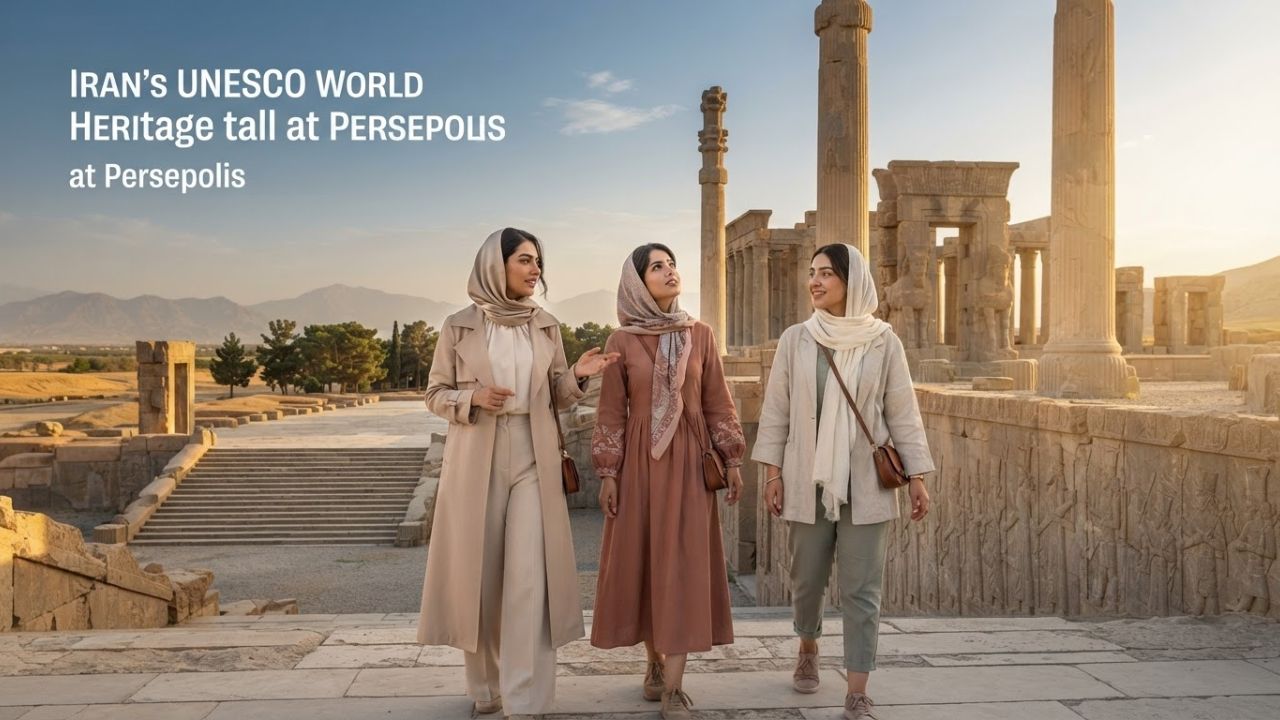
With the 2026 UNESCO inscription of the fortress network at Alamūt Castle in the Alborz Mountains, Iran now commands 30 World Heritage properties—extending an eight-site lead over second-place Türkiye and establishing itself as the preeminent cultural heritage superpower in the Middle East. Spanning 28 cultural marvels and two extraordinary natural biospheres, this milestone reframes regional travel around millennial archaeological wonders, mountain strongholds, and ancient ecological corridors.
The Middle East's historical inventory represents the bedrock of global human civilization. From early Neolithic settlements and Bronze Age trade routes to desert hydro-engineering and Crusader fortifications, the region holds an extraordinary concentration of internationally protected monuments.
Rather than viewing heritage purely through individual archaeological digs, the 2026 UNESCO World Heritage Committee sessions highlighted interconnected regional preservation. Iran’s milestone, alongside landmark inscriptions across Jordan, Lebanon, Palestine, and the United Arab Emirates, signals a broader transformation: cultural assets are becoming primary engines for long-term regional identity, scientific conservation, and specialized academic tourism.
The Local Trend Revealed: Iran's Milestone and the Middle East Hierarchy
The 2026 inscription that elevated Iran to 30 World Heritage properties is Alamūt Castle and Related Fortifications. Listed as an integrated serial property, this mountain network encompasses Alamūt Castle alongside six satellite strongholds perched within the rugged Alborz Range. Constructed and refined by the Nezāri Ismaʿili state between the 11th and 13th centuries, the mountain fortresses functioned not only as impregnable defensive bastions but also as renowned centers of philosophical and astronomical scholarship.
Iran’s portfolio contains 28 cultural properties and two natural properties. Celebrated ancient monuments include Persepolis—the ceremonial capital of the Achaemenid Empire—and Pasargadae, alongside the mudbrick desert architecture of the Historic City of Yazd and Tehran’s ornate Golestan Palace. Its natural inscriptions protect the wind-sculpted yardangs of the Lut Desert and the primeval temperate Hyrcanian Forests fringing the Caspian Sea.
Across the wider Middle East, the heritage hierarchy reveals vibrant competition in historical stewardship:
| Country | Inscribed Sites | Site Category Breakdown | Key Landmark Highlights & 2025–2026 Inscriptions |
|---|---|---|---|
| Iran | 30 | 28 Cultural, 2 Natural | Persepolis, Yazd, Lut Desert, Alamūt Castle & Fortifications (2026) |
| Türkiye | 22 | 20 Cultural, 2 Mixed | Göbekli Tepe, Istanbul, Ephesus, Cappadocia, Sardis & Bin Tepe (2025) |
| Israel | 9 | 9 Cultural | Masada, Old City of Acre, White City of Tel-Aviv, Bahá’i Holy Places |
| Jordan | 8 | 6 Cultural, 1 Mixed, 1 Natural | Petra, Jerash corridors, Wadi Rum, Aqaba Marine Reserve (2026) |
| Saudi Arabia | 8 | 7 Cultural, 1 Natural | Hegra, Historic Jeddah, At-Turaif, ‘Uruq Bani Ma’arid, Al-Faw Area |
| Egypt | 7 | 6 Cultural, 1 Natural | Memphis/Giza Pyramids, Thebes, Abu Simbel, Whale Valley (Wadi Al-Hitan) |
| Lebanon | 7 | 7 Cultural | Baalbek, Byblos, Tyre, Qadisha, Mount Amel Castles (2026, In Danger) |
| Iraq | 6 | 5 Cultural, 1 Mixed | Babylon, Erbil Citadel, Ur corridors, The Ahwar Marshlands |
| Syria | 6 | 6 Cultural | Ancient Damascus, Aleppo, Palmyra, Crac des Chevaliers, Ancient Villages |
| Palestine | 6 | 6 Cultural | Bethlehem, Battir, Ancient Jericho, Sebastia (2026, In Danger) |
| Oman | 5 | 5 Cultural | Bahla Fort, Land of Frankincense, Aflaj Ancient Irrigation Systems |
| Yemen | 5 | 4 Cultural, 1 Natural | Shibam mudbrick towers, Sana'a, Saba Kingdom at Marib, Socotra Island |
| UAE | 3 | 2 Cultural, 1 Natural | Al Ain Oasis, Faya prehistory, Wadi Wurayah Biosphere (2026) |
| Bahrain | 3 | 3 Cultural | Qal’at al-Bahrain harbor, Dilmun Burial Mounds, Pearling Path |
| Qatar | 1 | 1 Cultural | Al Zubarah Archaeological Fort and coastal pearl town |
| Kuwait | 0 | Tentative listings only | Failaka Island, Kuwait Towers (Active on Tentative List) |
Regional Shifts: Marine Sanctuaries, Mountain Keeps, and Urgent Protections
The 2026 updates demonstrate that World Heritage recognition has moved well beyond classical freestanding ruins:
- Jordan's Marine Milestone: Jordan reached eight sites in 2026 with the inscription of the Aqaba Marine Reserve at the northern tip of the Red Sea. The protected marine haven shelters more than 150 hard coral species, 500 fish varieties, and 1,000 mollusc species, creating a vital natural anchor alongside Petra and Wadi Rum.
- Lebanon's Southern Bastions: Lebanon expanded its ledger to seven properties through the serial listing of Mount Amel Castles. Comprising Beaufort, Toron, Dubieh, Maron, and Chama’ castles, this defensive chain controlled historic trade and military arteries through southern Lebanon across Crusader, Ayyubid, Mamluk, and Ottoman eras. UNESCO simultaneously placed the castles on the List of World Heritage in Danger to mobilize urgent preservation resources.
- Palestine's Archaeological Heritage: The State of Palestine attained its sixth property with Sebastia, inscribed under emergency criteria and added to the List of World Heritage in Danger to ensure international conservation backing for its Roman and Iron Age strata.
- UAE's High-Mountain Biodiversity: The United Arab Emirates inscribed its first natural World Heritage site, Wadi Wurayah, nestled in the Hajar Mountains of Fujairah. Home to 1,099 documented species—including 883 animals and 216 plants, with at least ten globally threatened species—it highlights the Gulf's distinct freshwater ecosystems.
Cultural & Environmental Value: Ancient Engineering and Sustainable Stewardship
For the visitor, the real impact is experiencing living systems of ancient technology that still sustain local communities today. In Iran, heritage extends beyond ornamental palaces into revolutionary ecological engineering.
The historic desert city of Yazd exemplifies sustainable human settlement. For millennia, local communities constructed subterranean aqueducts (qanats) that transported snowmelt from distant mountains without evaporation losses, while windcatchers (badgirs) provided zero-carbon passive cooling throughout dense earthen quarters. Experiencing Yazd allows travelers to witness how ancient Iranian builders mastered arid living through vernacular architecture.
At the same time, cultural heritage travel directs economic stability to specialized master artisans. Across Isfahan, Shiraz, and Tabriz, international visitor interest directly sustains hand-knotted Persian carpet cooperatives, blue-enameled minakari metalwork, and delicate khatamkari marquetry guilds, passing multi-generational craftsmanship to younger apprentices.
Visitor Insider Tips: Independent Travel in Historic Iran
Navigating Iran’s sprawling heritage map requires careful logistical preparation:
- Optimal Seasonal Windows: Plan your expedition during the shoulder seasons—either spring (mid-March to May) or autumn (late September to November). These months avoid the scorching summer heat of the central plateau deserts and the freezing winters of the Alborz and Zagros mountain passes.
- Handle Currency and Payment Protocols: International credit and debit cards linked to Western banking networks do not function in Iran due to banking sanctions. Travelers must carry cash (Euros or US Dollars) to exchange at official exchange bureaus (sarrafi), or acquire an Iranian tourist debit card upon arrival at Tehran’s Imam Khomeini International Airport to execute seamless electronic card payments.
- Reaching the Valley of the Assassins: To explore the newly inscribed Alamūt Castle, base yourself in the historic city of Qazvin. Hire a local four-wheel-drive driver to navigate the steep, winding mountain switchbacks through the Shahrood Valley up to Gazor Khan village. Wear rigid-soled hiking boots with solid ankle support for the final 30-minute stone-stair ascent to the citadel ruins.
- Honor Regional Dress Codes and Customs: Familiarize yourself with Iranian public dress etiquette: women wear head coverings (hijab) and loose-fitting tunics covering arms and hips, while men wear long trousers. Embrace the warm hospitality ritual of taarof—a traditional system of politeness where service providers or hosts initially refuse payment as a gesture of respect before accepting.
- Indulge in Authentic Persian Gastronomy: Seek out regional culinary masterpieces away from tourist thoroughfares. Taste Fesenjan (a slow-cooked stew of chicken or duck in a rich pomegranate molasses and ground walnut sauce), aromatic saffron rice with a crispy golden crust (tahdig), and sweet saffron-pistachio ice cream (bastani sonnati) flavored with rosewater.
Tourism Outlook: Middle East Heritage as a Bridge for Global Engagement
Iran's emergence as the Middle East's World Heritage leader underscores the enduring cultural gravity of ancient Persia. Despite geopolitical hurdles, archaeological and heritage tourism continues to serve as an indispensable bridge connecting international travelers with local communities.
As regional nations invest billions into heritage preservation, museum infrastructure, and ecological reserves from the Red Sea to the Caspian coast, travelers who look beyond headlines will discover an unmatched realm of human history, architectural ingenuity, and timeless desert hospitality.
Related Travel Guides
Disclaimer
This article is for informational and educational purposes only. It does not constitute legal, financial, or professional advice. While we strive to provide accurate and up-to-date information, travel policies, regulations, and conditions change rapidly. Always verify information with official sources before making travel decisions. Nomad Lawyer makes no representations about the accuracy, reliability, completeness, or suitability of the information provided. Readers should consult qualified professionals for advice specific to their circumstances. The views expressed in this article are those of the author and do not necessarily reflect the views of Nomad Lawyer.
Raushan Kumar
Founder & Lead Developer
Full-stack developer with 11+ years of experience and a passionate traveller. Raushan built Nomad Lawyer from the ground up with a vision to create the best travel and law experience on the web.
Learn more about our team →