
Lebanon Tourism Inflows Driven by US, Diaspora, and European Demand for Baalbek and Wine Routes
Banque du Liban data shows Lebanese diaspora (58.6%), Iraq (11.8%), and US (4.2%) lead travel inflows to Baalbek, Byblos, and Békaa wineries.

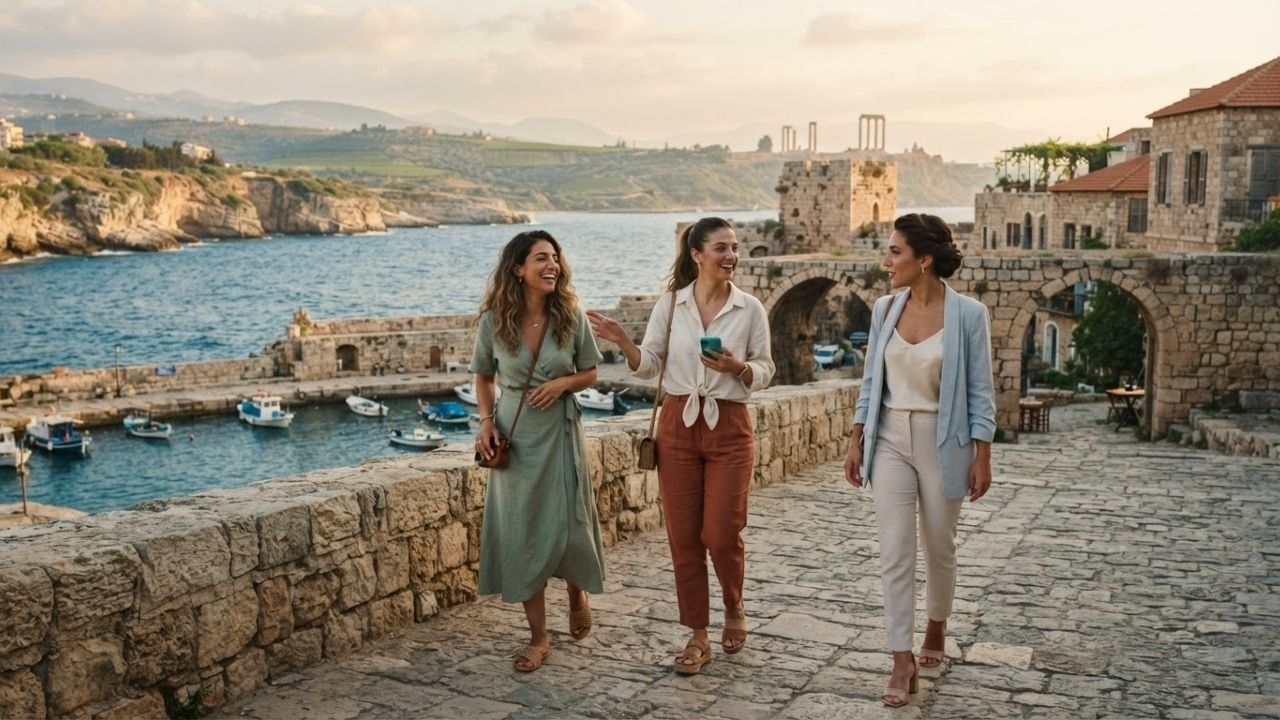
Image generated by AI
Official travel inflow metrics published by Banque du Liban reveal that Lebanese expatriates account for 58.6% of national visitor expenditure, followed by international arrivals from Iraq, the United States, Germany, France, and Canada. Ministry of Tourism reports highlight accelerating demand for Roman temple ruins in Baalbek, submerged Phoenician archaeology in Byblos, and heritage wineries across the Békaa Valley.
[BEIRUT, Lebanon, Sept. 2, 2026] — Financial breakdown metrics released by Banque du Liban (the Central Bank of Lebanon) and destination reports from the Ministry of Tourism of Lebanon confirm the economic structure of the country's travel sector. Lebanese expatriates returning home represent the single largest financial contributor, generating 58.6% of total travel inflows.
Among non-diaspora markets, travelers from Iraq lead inbound expenditure at 11.8%, followed by the United States (4.2%), Germany (2.4%), France (2.3%), Canada (2.1%), and Syria (2.1%). Remaining global markets generate 16.5%, reflecting broad international interest in Lebanon's compact geographic mix of Mediterranean coastlines, ancient UNESCO monuments, and mountain viticulture.
Roman Archaeology and Submerged Phoenician Ruins Anchoring Heritage Travel
Lebanon's cultural travel appeal centers on world-class archaeological sites recognized under UNESCO World Heritage protection:
- Baalbek Archaeological Complex: Located in the Békaa Valley, Baalbek features massive Roman temple structures dedicated to Jupiter, Bacchus, and Venus. Constructed over a 200-year period, it stands among the best-preserved Roman sanctuary sites in the Middle East.
- Byblos & Sidon Marine Archaeology: Coastal destinations Byblos and Sidon offer unique marine tourism, allowing visitors to snorkel and dive around submerged ancient Phoenician harbour walls and stone ruins.
- Jabal Moussa Biosphere Reserve: Situated near Jbeil (Byblos), this protected mountain reserve offers eco-tourism trails, endemic flora, and historic monastery ruins overlooking the Mediterranean.
Békaa Valley Viticulture: Combining Historic Estates and Regional Gastronomy
The agricultural heartland of the Békaa Valley serves as Lebanon's primary wine and farm-to-table destination. Famous for cultivating wine grapes, olives, wheat, and seasonal produce, the valley houses historic wineries including Chateau Ksara, Chateau Kefraya, and Massaya.
Tourists visiting the Békaa Valley frequently combine archaeological tours of Baalbek with wine tastings and traditional Lebanese dining, creating an integrated heritage and culinary circuit within a single day trip from Beirut.
Seasonal Climate Guide: Navigating Coastal Summers and Mountain Retreats
While the Ministry of Tourism does not single out a solitary "best month" for visiting, regional micro-climates dictate travel patterns across the country:
- Summer (June to August): Coastal temperatures average around 30°C with high sunshine, ideal for beach resorts, water sports, and nightlife in Beirut and Byblos.
- Békaa Valley Conditions: Inland archaeological sites in Baalbek experience hot, dry summer weather, making spring (April–May) and autumn (September–October) preferred windows for extensive walking tours.
- Mountain Escape: The Chouf mountain region offers cool alpine hiking, cedar forest sanctuaries, and historic palaces just an hour's drive from hot coastal cities.
Banque du Liban 2024 International Travel Inflow Distribution
| Traveler Market / Source Country | Share of Total National Travel Inflows | Primary Travel Purpose & Sector Impact |
|---|---|---|
| Lebanese Expatriates (Diaspora) | 58.6% | Family reunions, seasonal homecoming & local business spend |
| Iraq | 11.8% | Regional leisure, medical travel & commercial transit |
| United States | 4.2% | Long-haul diaspora visits & heritage tourism |
| Germany | 2.4% | European cultural travel & diaspora spending |
| France | 2.3% | Cultural heritage, gastronomy & historical ties |
| Canada | 2.1% | Overseas diaspora visits & eco-tourism |
| Syria | 2.1% | Regional border travel & family visits |
| Other International Countries | 16.5% | Combined global leisure, MICE & niche eco-tourism |
Diaspora Economic Impact: Expatriates Support 58.6% of National Travel Spending
The data underscores the structural importance of the global Lebanese diaspora. With 58.6% of total travel inflows generated by expatriates residing in North America, Europe, West Africa, and the Gulf, family visits provide a consistent financial baseline for local hotels, guest houses, car rental agencies, and restaurants.
This diaspora baseline cushions the national tourism economy during broader regional fluctuations, allowing local hospitality providers to maintain operations year-round.
Eco-Tourism Expansion: Jabal Moussa Reserve and Chouf Mountain Trails
Beyond traditional city tours in Beirut, Lebanon has expanded its eco-tourism infrastructure along the Mount Lebanon range. Designated biosphere reserves like Jabal Moussa and the Shouf Cedar Reserve feature marked hiking trails, guest houses, and community-based rural tourism initiatives.
These mountain reserves allow visitors to combine coastal Mediterranean beach stays with high-altitude hiking, bird watching, and rural bed-and-breakfast hospitality.
Industry Impact Analysis: Diversifying Heritage Tourism in a Compact Mediterranean Destination
Tourism strategists note that Lebanon's primary competitive advantage is its geographic compactness. Visitors can travel from Mediterranean coastal beaches to 2,000-meter mountain peaks or the interior Békaa Valley in under two hours.
By bundling Roman archaeology, Phoenician marine diving, mountain hiking, and wine tasting into short itineraries, Lebanon attracts diverse travel segments ranging from luxury epicureans to backpackers and heritage historians.
Why This Matters: Essential Takeaways for Travelers Visiting Lebanon
For international tourists planning a trip to Lebanon in 2026, understanding regional logistics optimizes the travel itinerary:
- Schedule Archaeological Tours for Shoulder Months: Visit Baalbek in spring (April–May) or autumn (September–October) to avoid extreme summer desert heat.
- Snorkel Ancient Phoenician Ruins in Byblos: Rent diving or snorkeling gear along Byblos and Sidon harbor to explore underwater stone ruins.
- Combine Wine Tasting with Baalbek Day Trips: Book guided day tours from Beirut that pair morning visits to Baalbek's Roman temples with afternoon wine tastings at Chateau Ksara or Kefraya.
- Retreat to the Chouf Mountains in Summer: Escape hot coastal summer temperatures in Beirut by booking guest house stays in the Chouf cedar forests.
Frequently Asked Questions
Which international market generates the highest travel spending in Lebanon?
Lebanese expatriates (diaspora) generate the largest share, accounting for 58.6% of total national travel inflows.
What are the main foreign visitor markets to Lebanon outside the diaspora?
Iraq is the largest foreign source market at 11.8%, followed by the United States (4.2%), Germany (2.4%), France (2.3%), Canada (2.1%), and Syria (2.1%).
What historical sites are famous in Baalbek and Byblos?
Baalbek is famous for its colossal Roman Temples of Jupiter, Bacchus, and Venus, while Byblos is known for its submerged Phoenician harbor ruins and historic Crusader castle.
Where are Lebanon's main wineries located?
Lebanon's major commercial wineries—such as Chateau Ksara, Chateau Kefraya, and Massaya—are located in the fertile Békaa Valley.
Related Travel Guides
Disclaimer
This article is for informational and educational purposes only. It does not constitute legal, financial, or professional advice. While we strive to provide accurate and up-to-date information, travel policies, regulations, and conditions change rapidly. Always verify information with official sources before making travel decisions. Nomad Lawyer makes no representations about the accuracy, reliability, completeness, or suitability of the information provided. Readers should consult qualified professionals for advice specific to their circumstances. The views expressed in this article are those of the author and do not necessarily reflect the views of Nomad Lawyer.
Raushan Kumar
Founder & Lead Developer
Full-stack developer with 11+ years of experience and a passionate traveller. Raushan built Nomad Lawyer from the ground up with a vision to create the best travel and law experience on the web.
Learn more about our team →