The Domestic Renaissance: How 3,017 Private Projects and Heritage Caravanserais Are Reshaping Travel in Iran

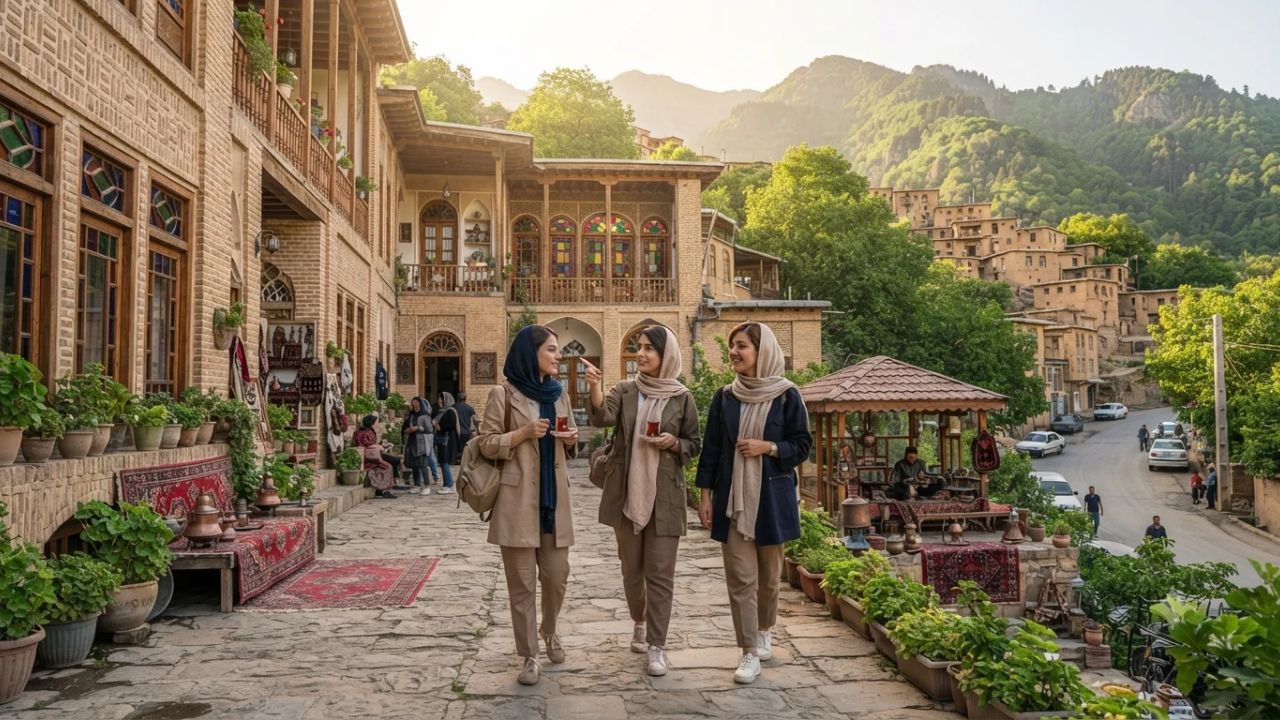
While geopolitical friction and international sanctions have disrupted overseas arrivals, private domestic investors across Iran are currently financing 3,017 tourism projects worth an astonishing 1,300 trillion tomans ($7.8 billion). Rather than pausing development, the country’s hospitality sector is experiencing a profound internal renaissance, pivoting directly toward a resilient domestic travel base that is rediscovering historic Silk Road waystations, verdant Caspian coastlines, and pristine alpine valleys across the Zagros Mountains.
This massive capital pipeline—which includes the potential addition of around 500 new hotels alongside boutique heritage restorations and rural ecotourism lodges—is supported by innovative domestic financing programs that offer 4, 12, and 24-month installment plans for family travel. Coupled with regulated domestic fuel prices that keep cross-country road trips accessible, independent Iranian travelers are moving beyond conventional city circuits to support community-owned lodges in previously overlooked western provinces.
The Domestic Shift: Inside Iran's 1,300 Trillion Toman Tourism Pipeline
Iran's tourism evolution represents a strategic shift from volatile international leisure traffic to sustainable, self-sufficient regional exploration. Across northern Caspian forests, southern Persian Gulf islands, and central desert oases, private capital is transforming how travelers experience the ancient nation.
Instead of generic concrete towers, private developers are prioritizing specialized travel segments such as thermal spring wellness, marine leisure, agritourism, and architectural heritage preservation.
| Strategic Tourism Pillar | Current Development Pipeline | Primary Geographic Focus |
|---|---|---|
| Total Active Construction | 3,017 nationwide projects | Distributed across all 31 provinces |
| Private Investment Value | ~1,300 trillion tomans ($7.8 billion) | Private domestic hospitality trusts & family firms |
| Hotel Inventory Expansion | ~500 planned properties | Boutique heritage stays, eco-lodges, urban hotels |
| Travel Credit Support | 4, 12, and 24-month repayment terms | Structured installment packages for families |
| Emerging Regional Corridors | Lorestan, Ilam, Kurdistan, Chaharmahal | Waterfalls, oak forests, nomad trails, alpine valleys |
| Coastal & Marine Zones | Mazandaran, Gilan, Hormozgan, Bushehr | Caspian resorts, Persian Gulf island ecotourism |
This decentralized investment pattern spreads economic vitality directly into rural highland communities in Lorestan, Ilam, Kurdistan, and Chaharmahal and Bakhtiari, where canyon trekking and pastoral food traditions offer refreshing alternatives to urban centers.
What Sets Persian Heritage Hospitality Apart
The distinctive hallmark of this travel revival is the adaptive reuse of historic architecture. Rather than demolishing centuries-old adobe mansions, merchant houses, and public bathhouses (hammams), preservation architects are restoring traditional mudbrick, stained-glass, and stucco structures into boutique guest residences.
A prime example includes the careful conversion of an approximately 300-year-old historic courtyard house into an intimate boutique heritage lodge featuring:
- 12 restored guest rooms equipped with authentic handwoven textiles and traditional floor cushions (poshti)
- 60 guest beds integrated around a central courtyard fountain (howz) shaded by pomegranate and sour orange trees
- Traditional teahouse facilities (chaykhaneh) serving saffron-scented black tea and rosewater pastries
- Courtyard restaurant dining showcasing regional slow-cooked stews (khoresht) and wild herb rice platters
- Curated cultural workshops introducing visitors to Persian calligraphy, tile glazing, and wool spinning
Many of these properties sit within ancient oasis towns featuring traditional windcatchers (badgirs) and subterranean aqueducts (qanats), which are recognized on the UNESCO World Heritage register as masterpieces of desert engineering.
Travelers can research cross-country train schedules and mountain rail passes via the Railways of the Islamic Republic of Iran.
Visitor Insider Tips: Timing, Local Etiquette, and Road Travel Hacks
Navigating Iran’s diverse geographic zones requires understanding regional microclimates and adhering to local cultural norms:
- Follow the Persian Road Trip Rhythm: With subsidized domestic fuel, road travel is the preferred way to explore. Plan driving routes early in the morning to beat midday desert temperatures. The trans-Zagros mountain highway connecting Khorramabad to Shiraz offers magnificent mountain panoramas without heavy freight traffic.
- Master the Art of Ta'arof: Persian hospitality is governed by ta'arof, an intricate code of politeness. When shopkeepers or taxi drivers initially refuse payment by saying "ghabel nadareh" (it is unworthy of you), politely insist on paying two or three times until they accept the agreed fare.
- Savor Regional Culinary Specialties: Avoid ordering generic kebabs every night. In Gilan and the Caspian north, sample baghali ghatogh (dill stew with fava beans and poached eggs) and mirza ghassemi (smoked aubergine with garlic and tomatoes). In the southern Gulf ports, order spicy tamarind fish stew (ghalieh mahi).
- Time Visits for Spring Blossom or Autumn Harvest: The ideal travel periods span mid-March through May (surrounding the Persian New Year, Nowruz) and late September through November, when pomegranate orchards are harvested across Yazd and Isfahan.
- Respect Dress Protocols and Cultural Norms: Modest attire is required by law throughout public spaces. Loose-fitting long shirts or tunics, long trousers, and light headscarves (rusari) are standard for women, while men should avoid wearing shorts in public streets and religious shrines.
Cultural and Environmental Context: Community-Led Ecotourism
The expansion of domestic tourism into ecologically fragile mountainous and desert regions brings a critical need for environmental stewardship. In alpine regions like the oak forests of the Zagros and the pristine wetlands of the Caspian basin, uncontrolled vehicular traffic and plastic waste have placed delicate habitats under stress.
In response, local ecotourism cooperatives are introducing community guidelines that emphasize waste reduction and habitat protection. Village guesthouses encourage guests to purchase seasonal produce directly from local orchards, hire resident mountaineering guides, and support traditional handicrafts such as nomad-woven kilim rugs and hand-hammered copper cookware.
By channeling travel spending directly to rural families in Kurdistan, Lorestan, and Bakhtiari tribal regions, community tourism provides sustainable income that reduces pressure on local forestry resources and helps preserve centuries-old pastoral customs.
FAQ: Visiting Iran in 2026
What is driving the growth of Iran's domestic tourism market?
Domestic travel is fueled by 3,017 active private investment projects worth 1,300 trillion tomans ($7.8 billion), flexible installment travel financing, and affordable road transport networks.
What makes boutique heritage accommodations unique?
Boutique stays restore historic adobe houses—such as 300-year-old courtyard residences—featuring central fountain courtyards, traditional teahouses, and regional slow-food dining.
When is the best season to explore the Zagros Mountains and Lorestan?
Late spring (April to June) and early autumn (September to October) provide pleasant daytime weather, flowing waterfalls, and comfortable hiking conditions across western highland valleys.
How does travel financing work for local families?
A dedicated travel support system allows travelers to book participating hotels, ecotourism lodges, and tours while spreading payments over 4, 12, or 24-month repayment terms.
[From tranquil brick courtyards echoing with fountain water to the wild oak valleys of the Zagros, Iran's truest spirit endures through the timeless warmth of its people.]
Related Travel Guides
This article is for informational purposes. Flight routes, passenger regulations, visa rules, and transit advisories are subject to change by airlines and aviation authorities. Readers are advised to verify schedules and travel documentation with relevant carriers and border agencies before departure.
Related Stories
Trump Endorses Benjamin Netanyahu Ahead of October 27 Israel Election Amid Iran Warnings

Mount Fuji First Sunrise Flights 2027: Japan Airlines New Year Aerial Guide