
New York JFK's State-of-the-Art Terminal 1 Opens: 22 Widebody Gates Reshape US Aviation Infrastructure
Breaking airline news and aviation industry updates for 2026.

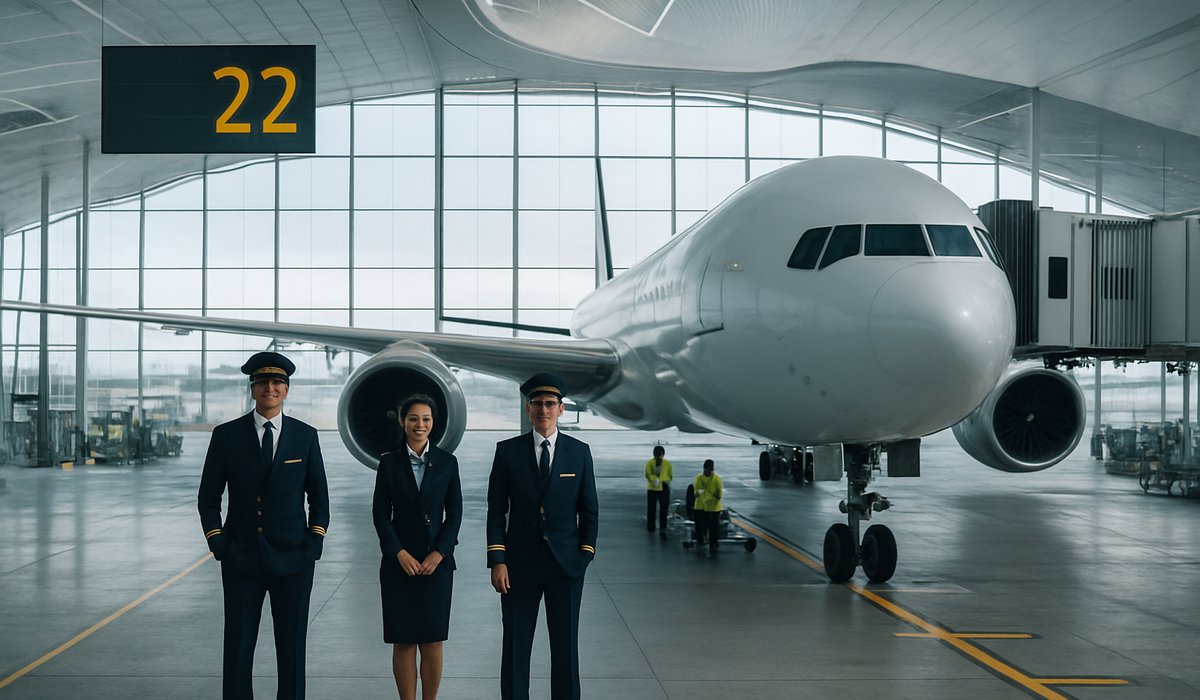
Image generated by AI
New York JFK's State-of-the-Art Terminal 1 Opens: 22 Widebody Gates Reshape US Aviation Infrastructure
Port Authority completes transformative $13 billion modernization campaign across tri-state region airports
Game-Changing Infrastructure Investment Transforms Major Gateway
New York's John F. Kennedy International Airport has officially launched its dramatically reimagined Terminal 1, marking the completion of an ambitious multi-year infrastructure overhaul that positions the tri-state region's aviation hubs among the world's most advanced. The facility, featuring 22 dedicated widebody aircraft gates and cutting-edge passenger amenities, represents a watershed moment for US airport modernization and signals a decisive shift in how America's largest metropolitan area handles international travel operations.
The $13 billion transformation campaign—orchestrated by the Port Authority of New York and New Jersey—has systematically upgraded three major terminals across the region's primary airports. The initiative began with LaGuardia Airport's Terminal B, which earned SkyTrax's five-star designation and captured the prestigious title of world's best new airport terminal in 2023. Following this success, Newark Liberty International's newly rebuilt Terminal A claimed the same accolade in 2024, while LaGuardia's Terminal C also achieved elite status.
Widebody Capacity Addresses Global Demand
JFK's Terminal 1 specifically addresses a critical operational gap: accommodating the growing fleet of large, long-haul aircraft that anchor international connectivity for the Northeast. The 22 widebody gates—designed for aircraft such as Boeing 777s, Airbus A350s, and A380s—substantially increase the airport's capacity for premium international routes while reducing congestion at adjacent terminals.
Industry analysts note that this infrastructure expansion arrives at a pivotal moment. As global travel demand rebounds to pre-pandemic levels and major carriers expand international operations from New York, having modern, high-capacity facilities directly influences airline scheduling decisions, passenger experience, and economic competitiveness.
Broader Strategic Implications
The modernization cascade across New York's aviation network reflects a broader trend: American airports are finally investing significantly in passenger experience and operational efficiency after years of comparative underinvestment relative to Asian and European hubs. Enhanced facilities typically enable airlines to command premium pricing, attract international carriers, and stimulate economic activity through improved connectivity.
Port Authority officials have emphasized that Terminal 1's opening completes a comprehensive vision for 21st-century airport infrastructure in the region—positioning New York to compete effectively with global aviation centers and accommodate anticipated traffic growth through the coming decade.
FAQ: Understanding Terminal 1 and US Airport Modernization
What airlines operate from JFK Terminal 1? Major carriers including British Airways, Lufthansa, Air France, and other international operators utilize the facility for transatlantic and long-haul operations.
How does Terminal 1 improve passenger experience compared to older facilities? The new terminal features expedited security screening, enhanced retail and dining options, improved gate areas, and modern technology infrastructure—hallmarks of contemporary airport design.
Why did New York invest $13 billion across three airports? Aging infrastructure and competition from modernized international hubs necessitated comprehensive upgrades to maintain New York's position as a global aviation gateway and support regional economic growth.
What does "widebody gates" mean for travelers? Widebody aircraft accommodate larger passenger capacities and offer premium international service; 22 dedicated gates allow JFK to handle more intercontinental flights simultaneously.
How will Terminal 1 affect airline ticket prices? Modern infrastructure typically enables airlines to optimize scheduling and reduce operational costs, though competitive market dynamics ultimately determine pricing.
Related Travel Guides
Flight Delay Compensation Guide 2026
Understanding Airline Route Changes
Airport Security Process Updated (2026)
External Resources
Disclaimer
This article is for informational and educational purposes only. It does not constitute legal, financial, or professional advice. While we strive to provide accurate and up-to-date information, travel policies, regulations, and conditions change rapidly. Always verify information with official sources before making travel decisions. Nomad Lawyer makes no representations about the accuracy, reliability, completeness, or suitability of the information provided. Readers should consult qualified professionals for advice specific to their circumstances. The views expressed in this article are those of the author and do not necessarily reflect the views of Nomad Lawyer.
Preeti Gunjan
Contributor & Community Manager
A passionate traveller and community builder. Preeti helps grow the Nomad Lawyer community, fostering engagement and bringing the reader experience to life.
Learn more about our team →