
India Travel Breakthrough As Delhi Varanasi High Speed Rail Plan Targets Faster Under 4 Hour Connectivity
India Travel Breakthrough As Delhi Varanasi High Speed Rail Plan Targets Faster Under 4 Hour Connectivity

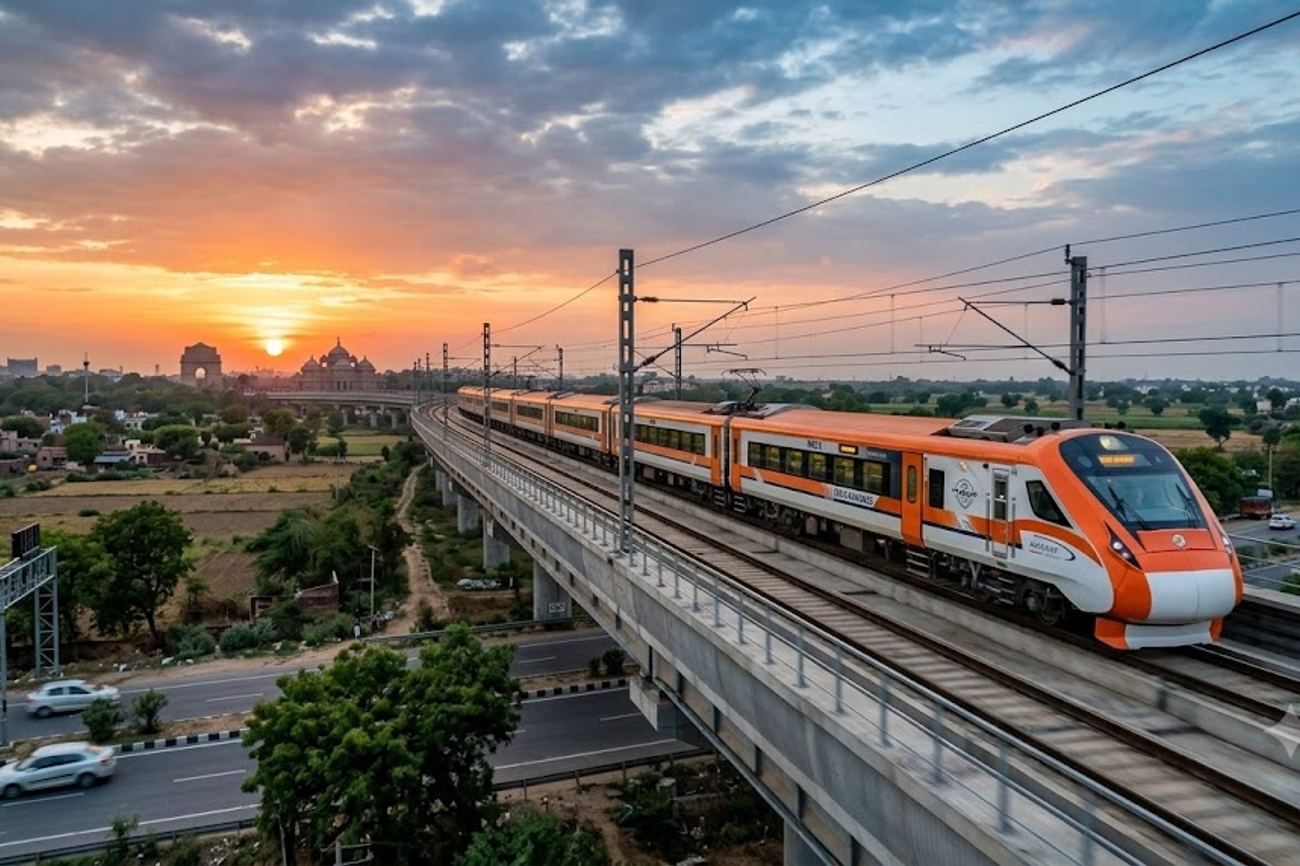
Image generated by AI
The journey from the political power center of Delhi to the spiritual heart of Varanasi is slated to shrink from a grueling overnight ordeal to a mere 3 hours 50 minutes. This proposed high-speed rail corridor is not just a feat of engineering; it is a fundamental shift in how the subcontinent's cultural and economic geography will function. For the first time, the distance between the modern bureaucracy of the capital and the ancient ghats of the Ganges will be bridged in a single morning, effectively turning one of the world's most sacred cities into a viable day-trip or short-weekend destination for millions.
The Great Indian Velocity Shift
India is currently sketching a blueprint for a transportation revolution that moves beyond the slow, rhythmic chug of traditional broad-gauge trains. According to the Union Budget 2026-27 railway development roadmap, the Ministry of Railways is planning a network of high-speed corridors designed to collapse the distance between major metropolitan hubs and cultural epicenters. While the Delhi-Varanasi link is a headline-grabber, the scale of ambition extends across the entire map.
In the west, the corridor between Mumbai and Pune—two cities currently linked by a congested highway—is projected to see travel times plummet to approximately 48 minutes. Further south, the tech-heavy corridor connecting Chennai and Bengaluru is expected to be reduced to nearly 1 hour 13 minutes, while the link between Bengaluru and Hyderabad is estimated to take around 2 hours. Even the stretch from Pune to Hyderabad is targeted for a 1 hour 55 minute transit.
This is not merely about speed; it is about the democratization of access. By linking Varanasi to Patna and Siliguri in an estimated 2 hours 55 minutes, the government is attempting to integrate the eastern states of Bihar and West Bengal into the high-speed economic orbit. This infrastructure push is mirrored by the East-West Dedicated Freight Corridor, which will stretch from Surat in Gujarat to Dankuni in West Bengal, separating cargo from passengers to ensure that the high-speed lines remain punctual and efficient.
What Makes These Corridors Different
Traveling in India has traditionally been a slow-motion experience, where the journey is often as significant as the destination. The introduction of high-speed rail changes the psychological relationship between Indian cities. When Mumbai and Pune are only 48 minutes apart, they cease to be two separate cities and instead become a singular, integrated economic zone.
The Delhi-Varanasi corridor is particularly unique because it bridges two entirely different Indias. Delhi is the face of the New India—corporate, fast-paced, and global. Varanasi is the soul of the Old India—eternal, ritualistic, and slow. By slashing the travel time to 3 hours 50 minutes, the railway is facilitating a new kind of "spiritual tourism" where the barrier to entry is no longer the physical exhaustion of a 12-hour train ride.
Beyond the high-speed lines, the modernization extends into the most rugged terrains of the country. The development of the Rishikesh-Karnaprayag project in Uttarakhand and the expansion of rail access into Jammu and Kashmir, specifically toward Uri, demonstrates a commitment to bringing the periphery into the center. Even the Northeast is seeing a shift with a planned 40-kilometre underground railway corridor, proving that the vision is as much about national integration as it is about velocity.
Visitor Insider Tips
Navigating India requires a different set of rules than navigating Europe or East Asia. As these high-speed links come online, the way you experience these cities will change.
Timing Your Visits If you are heading to Varanasi, avoid the peak pilgrimage windows around festivals like Dev Deepawali unless you enjoy extreme crowds. The best time to visit the ghats is during the "blue hour"—the 30 minutes before sunrise—to witness the morning Aarti without the midday heat. For those visiting the tech hubs of Bengaluru or Hyderabad, mid-week travel is essential to avoid the massive weekend exodus of residents fleeing the city for the hills.
Local Etiquette and Navigation In spiritual centers like Varanasi, dress conservatively. Shoulders and knees should be covered to respect local customs. When using the Indian Railways booking system, always check for "Tatkal" (last-minute) quotas if you haven't booked in advance, though high-speed lines will likely implement a more streamlined, digital-first ticketing process.
Regional Specialties to Seek Out In Varanasi, skip the hotel breakfast and find a street vendor selling Kachori Sabzi and Jalebi. In the Mumbai-Pune corridor, seek out the authentic Misal Pav in the local markets. In the south, the filter coffee culture of Chennai and Bengaluru is a ritual in itself; look for the small "Darshinis" (standing cafes) for the most authentic experience.
Transport Hacks While high-speed rail will handle the intercity leg, the "last mile" in India is where the real adventure (and frustration) lies. Download apps like Ola or Uber for predictable pricing, but for the true local experience, use auto-rickshaws. Always negotiate the fare before you sit down, or insist on the meter if available.
Cultural and Environmental Context
The push for high-speed rail is not without its complexities. The intersection of cutting-edge technology and ancient heritage creates a delicate tension. In cities like Varanasi, which is one of the oldest continuously inhabited cities in the world, the arrival of high-speed infrastructure must be balanced with the preservation of the city's fragile urban fabric. The influx of millions of additional visitors, made possible by a 3 hour 50 minute trip from Delhi, puts immense pressure on the riverfront and the narrow alleys (galis) of the old city.
Environmentally, the shift toward electric high-speed rail is a strategic move to reduce the carbon footprint of domestic travel, which currently relies heavily on short-haul flights and diesel-powered trains. However, the construction of these corridors often involves land acquisition in rural areas, which can lead to social friction.
Furthermore, the integration of these lines with UNESCO World Heritage sites and protected zones requires a careful approach to ensure that modernization does not lead to "touristification"—where the authentic local culture is replaced by a sterilized version designed for fast-traveling visitors. The goal is to create a system where the efficiency of the 21st century supports, rather than erases, the traditions of the past.
FAQ: Visiting India 2026
What is the best time to visit the Delhi-Varanasi circuit? The ideal window is from October to March. During these months, the weather is cool and pleasant, making the exploration of the ghats in Varanasi and the monuments in Delhi far more manageable than during the scorching summer.
Do I need a visa for these regions? Yes, most foreign nationals require a visa to enter India. The e-Visa system is the most efficient route, allowing you to apply online and receive approval via email before your arrival.
How do I get to the high-speed hubs from the airport? In major cities like Delhi and Mumbai, the airport metro or app-based ride-sharing services are the most reliable. Once the high-speed rail terminals are operational, they are expected to have integrated links to the city's existing transit networks.
Is it safe for solo travelers using the rail network? India is generally safe for solo travelers, but caution is advised. Use official railway platforms, avoid accepting food from strangers on long journeys, and keep your valuables in a secure, locked bag.
The distance between the ancient and the modern is shrinking, turning the vastness of India into a connected neighborhood.
#DelhiVaranasiRail #IndiaTravel2026 #IndianRailwaysModernization #MumbaiPuneHighSpeed #VaranasiTourism
Related Travel Guides
Disclaimer
This article is for informational and educational purposes only. It does not constitute legal, financial, or professional advice. While we strive to provide accurate and up-to-date information, travel policies, regulations, and conditions change rapidly. Always verify information with official sources before making travel decisions. Nomad Lawyer makes no representations about the accuracy, reliability, completeness, or suitability of the information provided. Readers should consult qualified professionals for advice specific to their circumstances. The views expressed in this article are those of the author and do not necessarily reflect the views of Nomad Lawyer.
Raushan Kumar
Founder & Lead Developer
Full-stack developer with 11+ years of experience and a passionate traveller. Raushan built Nomad Lawyer from the ground up with a vision to create the best travel and law experience on the web.
Learn more about our team →