
Hong Kong Airport Unveils Future Vision to Transform Aviation Connectivity and Growth
Hong Kong Airport Unveils Future Vision to Transform Aviation Connectivity and Growth

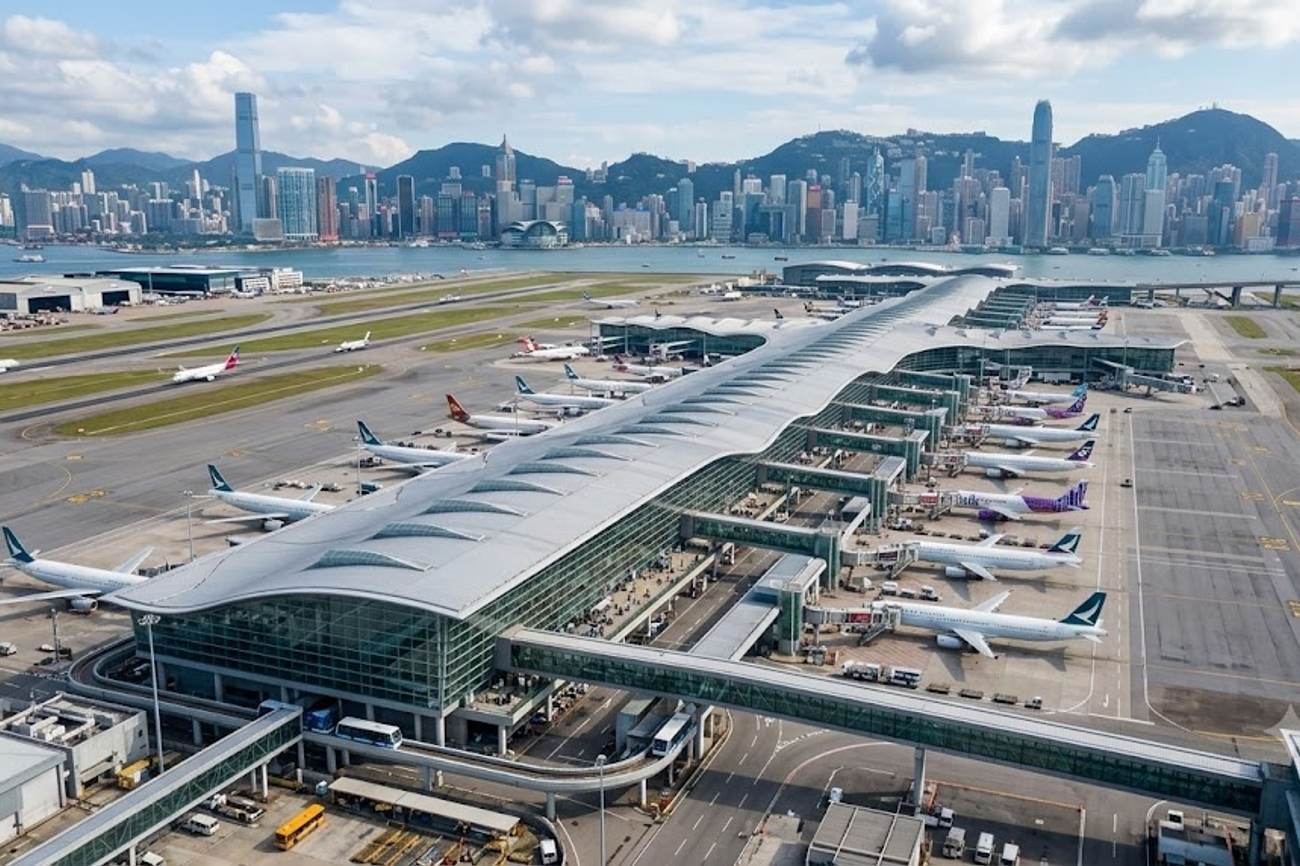
Image generated by AI
title: "HKIA Strategic Expansion: Data Analysis of the Three-Runway System and GBA Integration" date: 2024-05-22 category: Aviation Trends tags: [HKIA-Capacity-Growth-2027, GBA-Logistics-Integration, Three-Runway-System-Impact, SAF-Value-Chain-Asia, SKYTOPIA-Marina-2028]
Hong Kong International Airport (HKIA) is transitioning from a recovery phase to a structural expansion phase, with the upcoming 2027 operationalization of the Dongguan Logistics Park permanent facility set to introduce an annual handling capacity of one million tonnes. This represents a calculated pivot toward high-volume cargo integration that mirrors the aggressive infrastructure scaling seen in other primary Asian hubs, signaling that the Airport Authority Hong Kong (AAHK) is no longer merely reclaiming lost traffic but is actively expanding its ceiling for regional throughput.
The HKIA Expansion in Numbers: Capacity and Infrastructure
The current strategic trajectory of HKIA is anchored by the Three-runway System (3RS), which serves as the primary catalyst for passenger and cargo volume growth. The AAHK is leveraging this infrastructure to shift from a traditional airport model to an "Airport City" ecosystem. A critical component of this shift is the HKIA Dongguan Logistics Park. Following a pilot program launched in 2023, the project will move into its first permanent phase by 2027. The target capacity of one million tonnes per year for this facility indicates a strategic move to decentralize cargo processing while centralizing the flow of goods from the Greater Bay Area (GBA) through HKIA.
Beyond cargo, the "SKYTOPIA" initiative introduces a diversification of revenue streams through the "yacht economy." The development of Hong Kong’s largest yacht bay is now on an accelerated timeline, with the tender process for global investors scheduled for next year. The first phase of this marina development is targeted for completion in the 2028/29 window. This move suggests a transition toward luxury tourism and high-net-worth individual (HNWI) attraction, diversifying the airport's economic impact beyond transit and logistics.
Comparative Context: Regional Hub Competition and GBA Integration
When comparing HKIA's strategy to regional competitors, the focus on "Trunk-Branch Connectivity" is a direct response to the rise of secondary cities in Mainland China. By creating a "Whole-Network Linkage," HKIA is attempting to position itself as the primary international gateway for a network of domestic flights, effectively acting as the "trunk" for various "branches" across the mainland. This is a strategic necessity to maintain market share against the growth of other regional hubs.
The integration of the Northern Metropolis and the Hong Kong-Shenzhen Western Rail Link further emphasizes the shift toward intermodal transport. This is not an isolated project but part of a broader regional trend toward "mega-regions" where the boundaries between city and airport blur. According to data trends tracked by IATA, the efficiency of intermodal connectivity is now a primary driver of hub competitiveness.
The following table illustrates the projected shifts in HKIA's operational focus based on the current Five-Year Plan and Policy Address targets:
| Metric/Project | Current State (Pilot/Initial) | Target State (2027-2029) | Strategic Impact |
|---|---|---|---|
| Dongguan Logistics Park | Pilot Program (Launched 2023) | 1 Million Tonnes Annual Capacity (2027) | Regional Cargo Dominance |
| Yacht Bay Development | Planning/Expression of Interest | Phase 1 Completion (2028/29) | Luxury Tourism Diversification |
| Transport Links | Standard Airport Access | Northern Metropolis/Western Rail Link | GBA Intermodal Integration |
| Workforce Strategy | Standard Visa Requirements | New Short-Term Training Visa Category | Regional Aviation Training Hub |
| Energy Focus | Standard Fueling | Sustainable Aviation Fuel (SAF) Value Chain | Decarbonization Compliance |
What This Means for Travelers
For the individual traveler and the corporate nomad, these infrastructure shifts will manifest in three distinct ways:
First, the emphasis on "Trunk-Branch Connectivity" and seamless transit services means that travelers moving between Mainland Chinese cities and international destinations will likely see a reduction in friction. The implementation of through check-in facilities is designed to minimize the time spent in terminals, making HKIA a more attractive transit point than competing hubs in the region.
Second, the focus on the "Air Silk Road" and new bilateral air service agreements suggests an upcoming expansion in long-haul connectivity, particularly with Belt and Road countries. Travelers should expect a diversification of direct flight options and increased frequencies to non-traditional markets in Central Asia and Africa.
Third, the development of the "Airport City" and the SKYTOPIA marina suggests that the area surrounding HKIA will evolve into a destination in its own right. By 2028, the airport perimeter will no longer be just a transit zone but a leisure and business hub. If you are planning corporate retreats or high-end leisure travel in the GBA for the late 2020s, the airport vicinity will offer new luxury waterfront options that currently do not exist.
Forward Projection: The Aviation Ecosystem of 2030
Based on the current trajectory, HKIA is moving toward a "Total Aviation Ecosystem" model. This extends beyond the runway to include aircraft parts processing, trading capabilities, and a specialized training center. The introduction of a new visa category for non-local participants in short-term training programs is a leading indicator that Hong Kong intends to capture the human capital element of aviation, not just the hardware.
Furthermore, the push for a globally competitive Sustainable Aviation Fuel (SAF) value chain is a proactive move to avoid the "carbon penalty" that may affect future flight frequencies. As international regulations tighten, airports that control their own SAF supply chains will have a competitive advantage in attracting airlines that are under pressure to meet net-zero targets. Data from Statista indicates that the demand for SAF is projected to grow exponentially through 2030, and HKIA's early investment in this value chain is a hedge against future regulatory volatility.
The synergy between the Northern Metropolis rail links and the Three-runway System suggests that by 2030, the "commute" to the airport from the GBA will be significantly shortened, effectively expanding the airport's primary catchment area to include millions of additional residents in the Pearl River Delta.
FAQ: HKIA Strategic Expansion 2024-2029
Will flight options increase for international travelers? Yes. The AAHK is actively pursuing new bilateral air service agreements and broader traffic rights to expand long-haul networks and the "Air Silk Road," which will result in more destinations and higher flight frequencies.
How will the Dongguan Logistics Park affect air freight costs? While the AAHK does not provide specific pricing, the increase to a one-million-tonne annual capacity by 2027 is designed to improve efficiency and integration, which typically reduces overhead for regional logistics.
Is HKIA becoming a destination for luxury tourism? Yes. The SKYTOPIA project, including the yacht bay development targeted for 2028/29, is specifically designed to enhance the "yacht economy" and attract international leisure investment.
What is the "Trunk-Branch Connectivity" concept? It is a strategy to use HKIA as a primary international hub (the trunk) that connects smaller Mainland Chinese cities (the branches) to the rest of the world via seamless transit and check-in services.
The shift from a transit hub to an integrated aviation city marks the beginning of a new economic era for the Greater Bay Area.
Related Travel Guides
- China Airlines Leads Green Aviation Shift With Record SAF Use on Long-Haul Amsterdam Route
- Kenya Domestic Tourism Slows As High Living Costs Limit Local Holidays Despite Record Sector Growth
- Malaysia Transport Ministry and MAHB Initiate Aviation Contingency Planning as AirAsia Reports RM831 Million Loss Amid Domestic Market Shift
Disclaimer
This article is for informational and educational purposes only. It does not constitute legal, financial, or professional advice. While we strive to provide accurate and up-to-date information, travel policies, regulations, and conditions change rapidly. Always verify information with official sources before making travel decisions. Nomad Lawyer makes no representations about the accuracy, reliability, completeness, or suitability of the information provided. Readers should consult qualified professionals for advice specific to their circumstances. The views expressed in this article are those of the author and do not necessarily reflect the views of Nomad Lawyer.
Preeti Gunjan
Contributor & Community Manager
A passionate traveller and community builder. Preeti helps grow the Nomad Lawyer community, fostering engagement and bringing the reader experience to life.
Learn more about our team →