
India's Sustainable Tourism Growth: Ziro, Hornbill, and Regional Cultural Festivals 2026
Cultural festivals like Ziro and Hornbill are transforming remote Indian destinations into sustainable tourism hubs, blending indigenous heritage with eco-conscious infrastructure to drive regional economic growth.

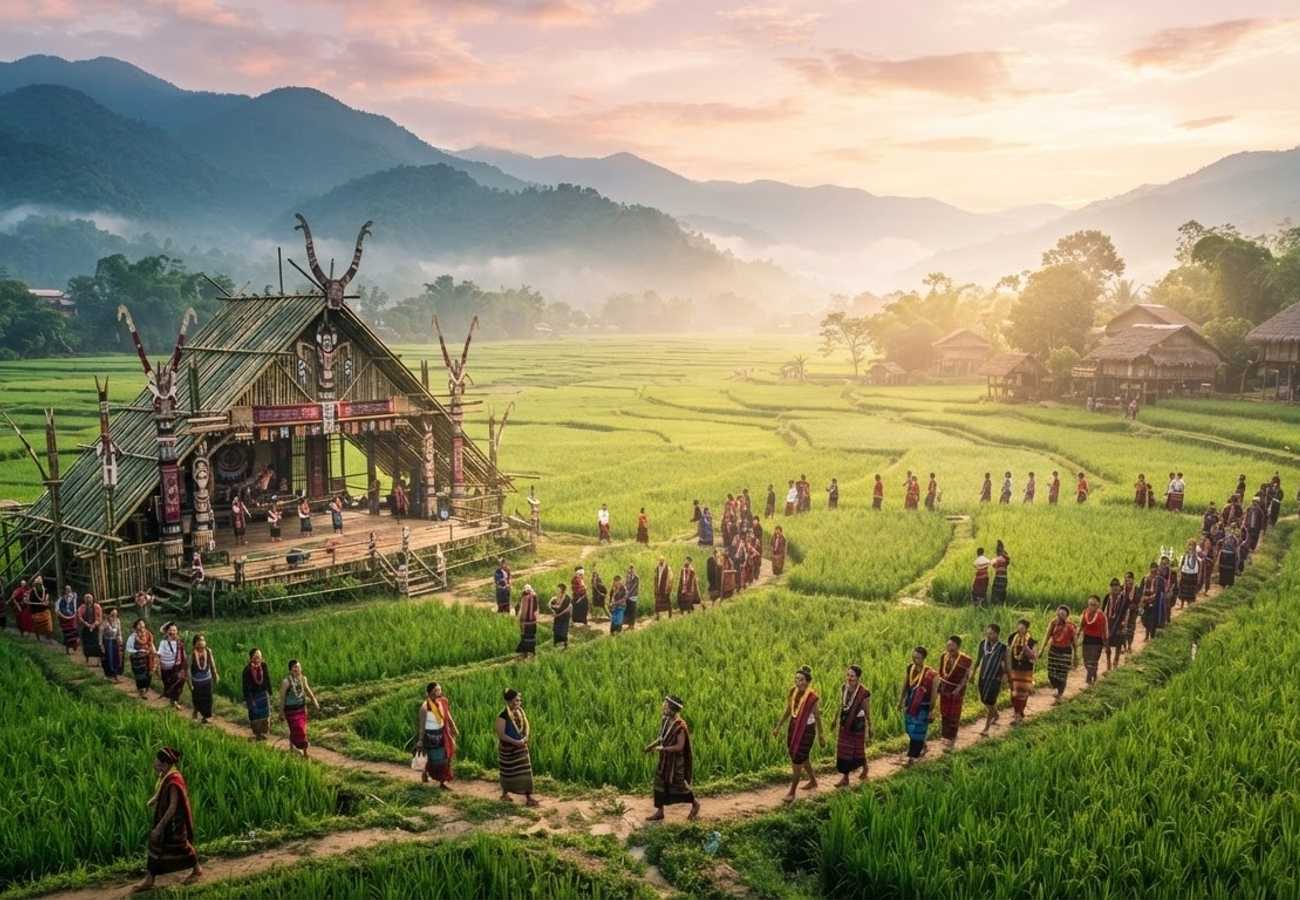
Image generated by AI
India is leveraging high-impact cultural festivals to pivot remote regions toward sustainable tourism models. From zero-waste music events in Arunachal Pradesh to heritage-led luxury in Rajasthan, these gatherings are diversifying tourism revenue beyond traditional hubs.
The Shift Toward Event-Driven Sustainable Tourism
India's transit and tourism sectors are witnessing a strategic shift where cultural festivals act as catalysts for infrastructure development in "hidden" destinations. Rather than relying on mass tourism, regions like Nagaland and Arunachal Pradesh are utilizing event-based models to manage visitor flow while preserving ecological integrity.
The Ziro Festival of Music has established a benchmark for responsible tourism. By utilizing locally sourced bamboo and wood for stage construction instead of permanent concrete structures, the event minimizes its physical footprint. This approach is coupled with strict zero-waste protocols, requiring visitors to utilize reusable items to protect the fragile mountain ecosystem.
In Nagaland, the Hornbill Festival—known as the "Festival of Festivals"—serves as a global gateway to Naga tribal heritage. Held annually in December at the Naga Heritage Village in Kisama, the event integrates indigenous sports, folk music, and traditional handicrafts into a structured tourism product that supports local artisans and preserves living heritage.
Regional Festival Specifications and Timing
The following table outlines the primary cultural drivers currently shaping India's sustainable tourism map:
| Festival | Primary Location | Typical Timing | Core Sustainability/Cultural Focus |
|---|---|---|---|
| Ziro Festival of Music | Ziro Valley, Arunachal Pradesh | Variable | Zero-waste, bamboo infrastructure, homestays |
| Hornbill Festival | Kisama, Nagaland | December | Tribal heritage preservation, indigenous arts |
| Magnetic Fields | Alsisar Mahal, Rajasthan | Variable | Heritage architecture, rural economic support |
| Echoes of Earth | Bengaluru, Karnataka | December | Recycled art installations, urban eco-tourism |
| Serendipity Arts | Panaji, Goa | December | High-value cultural arts, heritage site reuse |
| Losar Festival | Ladakh, Himachal, Arunachal | Feb - March | Winter tourism extension, Buddhist rituals |
Traveler Logistics Guide: Navigating Remote Cultural Hubs
From a ground-level perspective, accessing these remote festivals requires precise planning, as infrastructure in the Northeast and Himalayan regions can be volatile.
Booking and Connections For the Ziro and Hornbill festivals, flights into Itanagar or Dimapur are the primary entry points. However, road transit from these airports to the festival sites can take several hours. The most efficient way to navigate this is to book registered festival shuttles or pre-arranged local transport, as on-the-spot rentals are scarce during peak dates.
Accommodation and Digital Policies Avoid searching for traditional hotels in Ziro or Kisama; the experience is centered on homestays. This not only supports the local economy but is often the only available lodging. Travelers should ensure they have offline maps downloaded, as cellular connectivity in the Ziro Valley and remote parts of Nagaland remains inconsistent.
Customs and Permits Travelers to Arunachal Pradesh and Nagaland must be aware of the Inner Line Permit (ILP) requirements. These are mandatory for domestic and international tourists. To avoid delays at checkpoints, apply for the ILP via the official state government portals at least two weeks prior to departure.
Infrastructure and Economic Impact Assessment
The integration of these festivals into the national tourism strategy has a twofold impact on regional connectivity:
- Seasonal Distribution: The Losar Festival is particularly effective in extending the tourism window into the winter months (February to March), preventing the "off-season" economic slump typically seen in Himalayan regions.
- Economic Diversification: In Rajasthan, the Magnetic Fields Festival has shifted the luxury travel demographic toward rural Jhunjhunu, creating a demand for local hospitality providers and artisans who previously operated outside the mainstream tourism circuit.
- Urban Re-imagination: In Bengaluru and Goa, events like Echoes of Earth and the Serendipity Arts Festival are rebranding cities as centers for "high-value" cultural tourism, moving the narrative away from purely leisure or beach-centric visits.
By blending entertainment with environmental awareness, these events prove that large-scale tourism can coexist with conservation when managed through a decentralized, community-led framework.
The evolution of India's festival circuit marks a transition from simple sightseeing to immersive, ethical exploration.
Related Travel Guides
Disclaimer
This article is for informational and educational purposes only. It does not constitute legal, financial, or professional advice. While we strive to provide accurate and up-to-date information, travel policies, regulations, and conditions change rapidly. Always verify information with official sources before making travel decisions. Nomad Lawyer makes no representations about the accuracy, reliability, completeness, or suitability of the information provided. Readers should consult qualified professionals for advice specific to their circumstances. The views expressed in this article are those of the author and do not necessarily reflect the views of Nomad Lawyer.
Raushan Kumar
Founder & Lead Developer
Full-stack developer with 11+ years of experience and a passionate traveller. Raushan built Nomad Lawyer from the ground up with a vision to create the best travel and law experience on the web.
Learn more about our team →