
Ilulissat Iceberg Capsizing Sparks Surge in Greenland Arctic Tourism and Polar Expedition Interest in 2026
A dramatic iceberg rollover at the UNESCO-listed Ilulissat Icefjord has triggered a global spike in demand for responsible polar adventures and midnight sun escapes in Greenland.

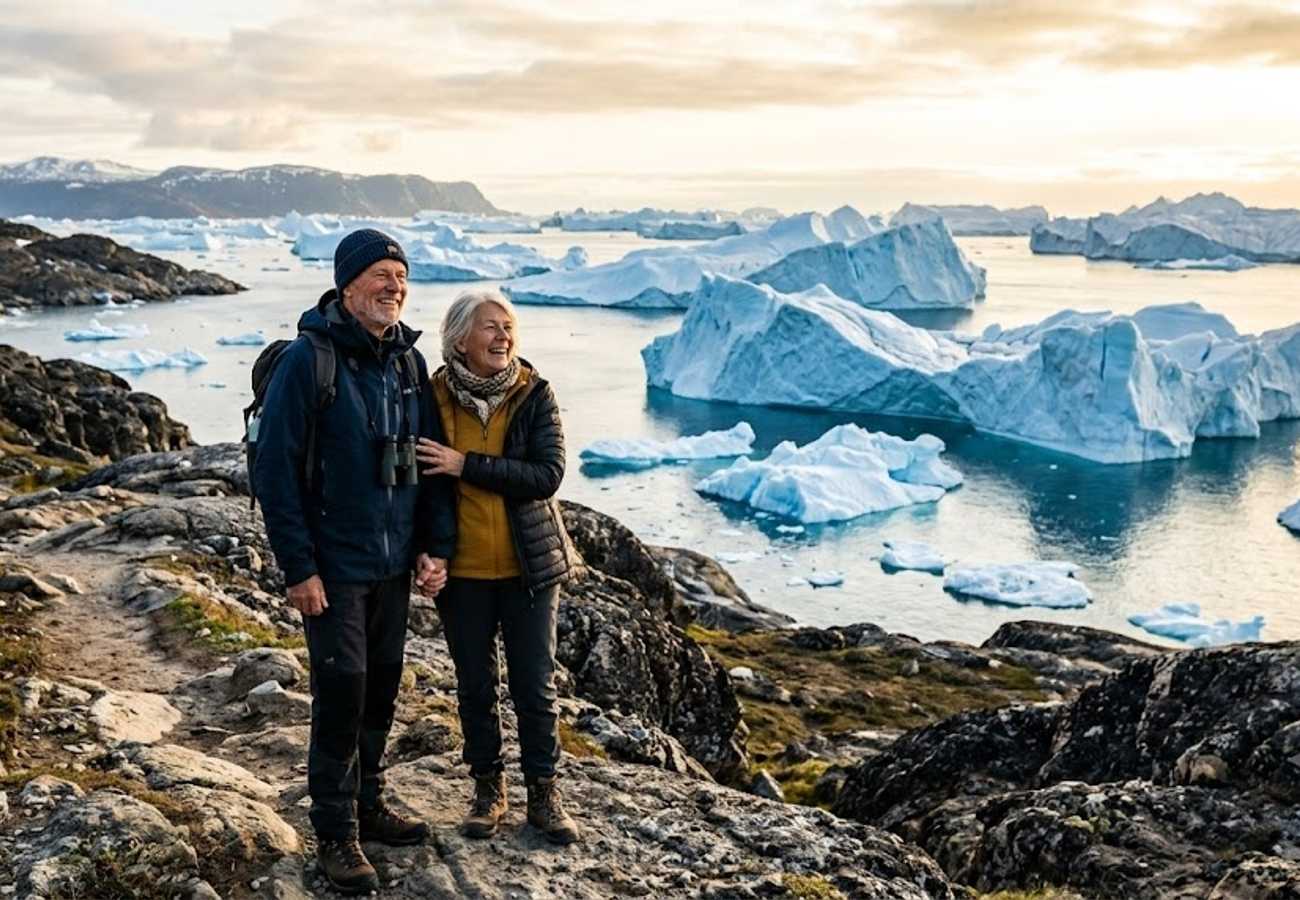
Image generated by AI
A massive iceberg rollover in mid-July 2026 has captured global attention, reminding travelers that the Arctic is as volatile as it is beautiful. This viral event has transformed a natural geological shift into a catalyst for a surge in high-end polar expeditions and responsible adventure travel to Greenland.
The Local Trend Revealed: The Allure of Dynamic Ice
The digital fascination with the "Ilulissat iceberg capsize" is more than a social media trend; it represents a shifting desire among global travelers for "active" nature. Visitors are no longer content with static landscapes; they are seeking the raw, unpredictable power of the Arctic.
The incident occurred near the Ilulissat Icefjord, a site where the boundary between land and sea is constantly rewritten. The viral footage, showing a massive iceberg rotating and displacing enormous volumes of water, has highlighted the visceral thrill of the region. This has led to an increased booking rate for midnight sun escapes, whale watching, and photography expeditions, as travelers rush to witness the Sermeq Kujalleq glacier—one of the fastest-moving ice streams on the planet.
Cultural & Environmental Value: Respecting the Ice
For the visitor, the real impact of this event is the realization that the Arctic is a living organism. The Ilulissat Icefjord is not merely a scenic backdrop but a powerhouse of glacial production. Because the Sermeq Kujalleq glacier advances by approximately 40 metres every day, it creates a high-turnover environment that produces more than 46 cubic kilometres of ice annually.
This represents roughly 10 per cent of Greenland’s total iceberg production. From a cultural perspective, this volatility is central to the Inuit experience of the region. By partnering with licensed local operators, tourists move from being passive observers to active participants in a sustainable economy that prioritizes the safety of the crew and the preservation of the UNESCO World Heritage site.
Verified Ilulissat Icefjord Data
| Category | Verified Information |
|---|---|
| Destination | Ilulissat, Greenland |
| UNESCO Status | World Heritage Site (since 2004) |
| Primary Glacier | Sermeq Kujalleq |
| Glacier Movement | Approximately 40 metres per day |
| Annual Ice Production | More than 46 cubic kilometres |
| Greenland Ice Share | Around 10% |
| Core Activities | Iceberg cruises, hiking, whale watching, flightseeing |
Visitor Insider Tips: Navigating the Arctic
Visiting a region where 90 per cent of an iceberg remains hidden beneath the surface requires more than just a warm coat. To experience Ilulissat without compromising safety or the environment, follow these local insights:
- The "Safe Distance" Rule: Never request a boat captain to move closer to a glacier or iceberg for a photograph. The displacement caused by a rollover can create sudden, dangerous currents and local waves.
- The Gateway Strategy: Most travelers find the most efficient route via Air Greenland or Icelandair. Use Iceland as a seasonal stopover to acclimatize to the northern latitudes before heading into the heart of Greenland.
- Gear Essentials: Even during the summer "Midnight Sun" window, the temperature drops sharply near the ice. Pack high-grade merino wool layers and waterproof outer shells.
- Flexibility is Mandatory: In the Arctic, the ice dictates the itinerary. Be prepared for "planned diversions" where your guide may change course due to shifting icebergs or weather patterns.
- Off-Peak Window: While summer is peak, the shoulder seasons offer a more intimate look at the changing light, provided you use certified expedition vessels.
Tourism Outlook: The Shift Toward Responsible Exploration
The long-term impact of the Ilulissat event is a pivot toward "Responsible Polar Adventures." There is a growing movement, supported by regional conservation bodies and the Greenlandic authorities, to ensure that the increase in curiosity does not lead to environmental degradation.
The focus is now on high-value, low-impact tourism. By utilizing established gateways in Denmark and Iceland and relying on licensed local guides, Greenland is positioning itself as a premier destination for the conscious traveler. The goal is to balance the global fascination with the "spectacle" of the ice with the necessity of protecting one of the world's most fragile ecosystems.
The Arctic does not offer a curated experience; it offers a raw encounter with the earth's power—provided you have the respect to keep your distance.
Related Travel Guides
Disclaimer
This article is for informational and educational purposes only. It does not constitute legal, financial, or professional advice. While we strive to provide accurate and up-to-date information, travel policies, regulations, and conditions change rapidly. Always verify information with official sources before making travel decisions. Nomad Lawyer makes no representations about the accuracy, reliability, completeness, or suitability of the information provided. Readers should consult qualified professionals for advice specific to their circumstances. The views expressed in this article are those of the author and do not necessarily reflect the views of Nomad Lawyer.
Preeti Gunjan
Contributor & Community Manager
A passionate traveller and community builder. Preeti helps grow the Nomad Lawyer community, fostering engagement and bringing the reader experience to life.
Learn more about our team →