
Greater Fort Lauderdale Under Siege: Why This Jaw-Dropping 1.37 Trillion Dollar Travel Update Changes Your Vacation Plans Now!
US travel spending hits $1.37 trillion as Greater Fort Lauderdale transforms into a luxury hub. Discover 2026 travel tip

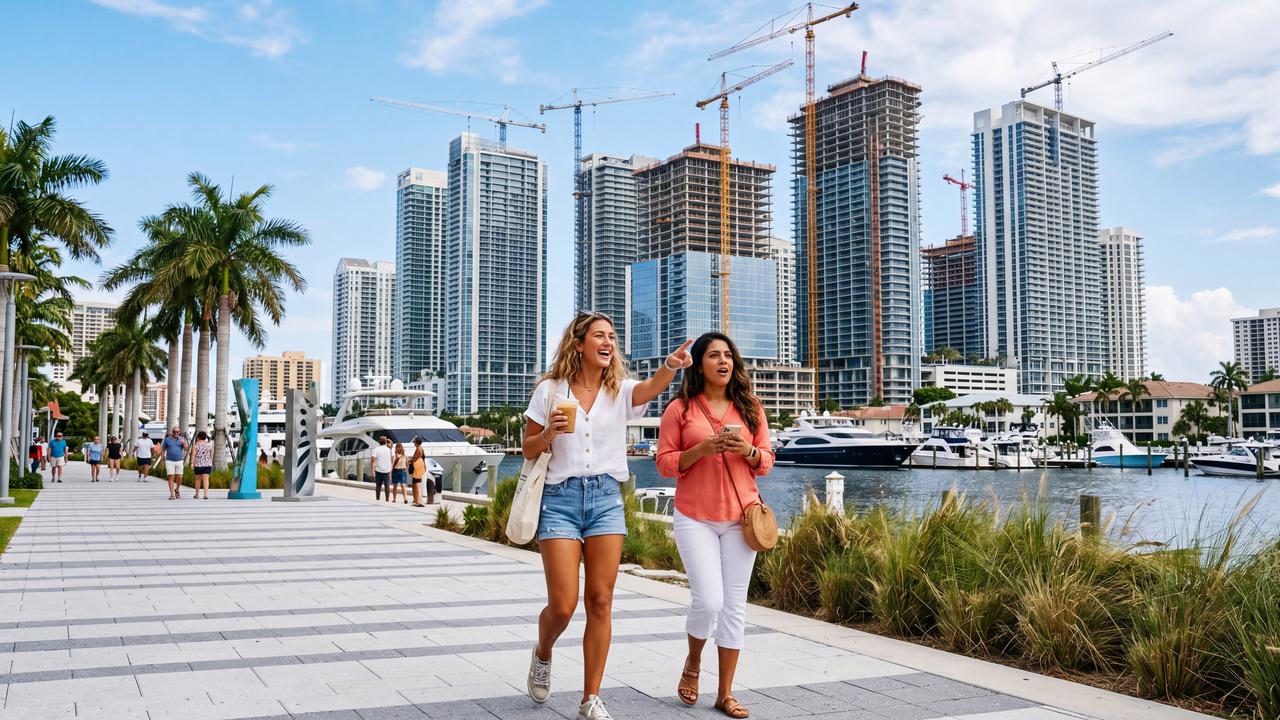
Image generated by AI
[Fort Lauderdale, June 28, 2026] — South Florida is currently experiencing a massive economic transformation as international investment and infrastructure projects redefine the region's travel landscape. New data from the US Travel Association and Tourism Economics indicates that inflation-adjusted travel spending across the United States is projected to reach a record-breaking $1.37 trillion, with Greater Fort Lauderdale emerging as a primary beneficiary of this surge.
The Shift Toward Ultra-Luxury Infrastructure in Broward County
The transition of Broward County from a traditional cruise transit point to a high-end luxury destination is being driven by aggressive structural investments. A multi-million-dollar expansion of the Broward County Convention Center district has fundamentally altered the local economy, triggering a wave of premium hospitality developments designed to attract corporate executives and wealthy international travelers.
Central to this evolution is the Omni Fort Lauderdale Hotel, a 29-story waterfront property that now serves as the anchor for the convention district. The flagship hotel features 801 rooms, a full-service Mokara Spa, and an extensive luxury pool deck. This development is part of a broader trend in the Gold Coast region, where new branded residences are integrating advanced technology, such as mobile-key connectivity and digital concierge services, to cater to a demographic of high-net-worth voyagers seeking secluded, tech-forward luxury.
Operational Challenges and Global Event Logistics in Florida
The rapid ascent of Greater Fort Lauderdale as a hub for global sports and corporate events is creating significant logistical friction for visitors. With the 2026 FIFA World Cup and other elite athletic competitions scheduled for U.S. soil, the region is seeing aggressive seasonal pricing and a tightening of hotel availability.
Beyond local lodging, international arrivals are facing systemic hurdles at major aviation gateways. Industry observers have raised concerns regarding federal proposals to shift U.S. Customs and Border Protection (CBP) officers away from primary entry points, including Newark Liberty International Airport. Experts warn that such staffing reductions could lead to severe customs bottlenecks, delaying international passengers.
However, the federal government has introduced measures to streamline entry for sports fans. A temporary administrative waiver has suspended complex visa bond requirements for verified international ticket holders, allowing soccer fans to enter the U.S. more efficiently and bypass traditional processing delays.
The Rise of Michelin-Grade Gastronomy in South Florida
The massive influx of capital into the region has catalyzed a culinary revolution, shifting Fort Lauderdale away from its casual beach-town image toward a sophisticated gastronomic destination. The city is now hosting several high-profile establishments that have earned prestigious accolades.
| Restaurant | Distinction / Style | Signature Experience |
|---|---|---|
| Chef’s Counter at MAASS | One MICHELIN Star / Creative American | 14-seat immersive counter by Chef Ryan Ratino at the Four Seasons; features Wagyu and caviar tasting menus. |
| Heritage | MICHELIN Bib Gourmand / Italian | Located in Flagler Village; specializes in authentic Neapolitan and Sicilian pizzas and handmade pastas by Chef Rino Cerbone. |
| Del Mar | Waterfront Mediterranean | 17,000 square foot venue at Auberge Beach Residences with a beachfront bar and coastal seafood. |
| Daniel’s, A Florida Steakhouse | MICHELIN Recommended / Fine Steakhouse | Rio Vista destination serving premium cuts from Florida, Texas, and Australia. |
Strategic Planning for 2026 Premium Travel
Given the high-yield nature of the current travel ecosystem in South Florida, industry sources suggest that traditional vacation planning is no longer sufficient. Travelers are encouraged to adopt a more calculated approach to optimize their visits.
Timing and Scheduling To avoid the price spikes associated with major corporate events, visitors should cross-reference their dates with the Broward County Convention Center schedule. Targeting midweek windows—specifically from Sunday afternoon to Thursday morning—can help travelers avoid the premium rates driven by international delegates and corporate groups.
Dining and Reservations Due to the popularity of Michelin-recognized venues, dining reservations should be secured 30 to 60 days in advance. Establishments like Daniel’s and the Chef’s Counter at MAASS are frequently booked by luxury resort guests and yacht owners, making digital concierge platforms essential for securing tasting menus.
Airport and Transit Tactics To mitigate the risk of customs delays at hubs like Miami International or Newark, travelers are advised to route flights directly into Fort Lauderdale-Hollywood International Airport (FLL). Utilizing premium border clearance programs and digital check-in tools is recommended to bypass potential personnel shortages at CBP checkpoints.
Managing On-Site Costs Visitors can avoid inflated "resort pricing" by purchasing essentials outside of luxury hotel lobbies. Retail centers located along Las Olas Boulevard or near Snyder Park offer standard consumer rates for hydration and beach supplies, neutralizing the high markups found in automated hotel kiosks.
Why This Matters: The Macroeconomic Impact on Aviation and Tourism
The shift toward a $1.37 trillion travel economy signifies a fundamental change in how regional hubs are developed. Fort Lauderdale is no longer merely a secondary option to Miami; it is becoming a specialized center for "high-velocity" luxury and corporate tourism.
This evolution highlights a growing divide in the travel industry: the move toward "hyper-premium" experiences. When a city pivots its infrastructure toward the ultra-wealthy and global event-goers, it creates a ripple effect that impacts everything from airport staffing to local inflation. The suspension of visa bonds for World Cup fans demonstrates how geopolitical and sporting events can force rapid changes in federal immigration policy to support economic goals. For the broader aviation industry, the pressure on airports like FLL to handle this influx—while other hubs face staffing cuts—suggests a volatile period of redistribution in air traffic and ground operations.
Related Travel Guides
Disclaimer
This article is for informational and educational purposes only. It does not constitute legal, financial, or professional advice. While we strive to provide accurate and up-to-date information, travel policies, regulations, and conditions change rapidly. Always verify information with official sources before making travel decisions. Nomad Lawyer makes no representations about the accuracy, reliability, completeness, or suitability of the information provided. Readers should consult qualified professionals for advice specific to their circumstances. The views expressed in this article are those of the author and do not necessarily reflect the views of Nomad Lawyer.
Raushan Kumar
Founder & Lead Developer
Full-stack developer with 11+ years of experience and a passionate traveller. Raushan built Nomad Lawyer from the ground up with a vision to create the best travel and law experience on the web.
Learn more about our team →