
IHCL SeleQtions Leads Ganga Riverfront Cleanup Mission in Haridwar

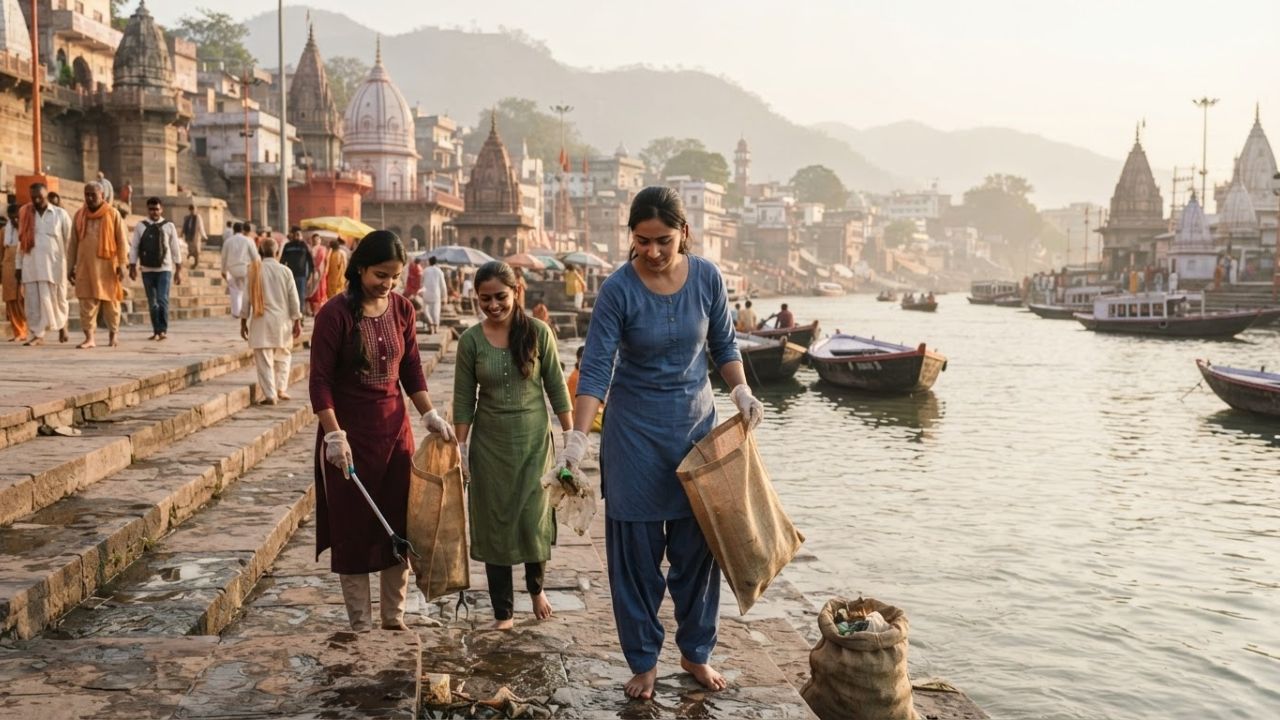
Image generated by AI
Heritage properties Pilibhit House, Haridwar and Hari Ganga Niwas — both part of the IHCL SeleQtions portfolio — have partnered to launch a dedicated riverfront cleanliness drive along the Ganges, removing 600 kg of waste from Vishnu Ghat and Bhagirathi/Alaknanda Ghat. The initiative marks an operational expansion of the hospitality sector's role in local environmental protection, demonstrating how premium travel brands can support municipal cleaning efforts in high-footfall spiritual tourism destinations.
The cleanliness campaign comes at a critical time for Haridwar's city management, following peak pilgrimage periods that bring millions of devotees to the river. By aligning with municipal sanitation operations and incorporating local community outreach, the initiative shows how sustainable hospitality frameworks can contribute to the preservation of cultural and natural assets.
The Local Trend: Destination Conservation Led by Heritage Hospitality
The primary trend reshaping India's luxury travel market is the integration of environmental conservation directly into the operations of heritage hotels. Rather than treating waste management as an external municipal service, premium properties are deploying staff and resources to protect the environmental features that draw travellers to the destination in the first place.
For Pilibhit House and Hari Ganga Niwas, this involves regular clean-up drives at two of Haridwar's key ghats:
- Vishnu Ghat: A historic bathing ghat located south of Har Ki Pauri, which experiences heavy visitor traffic during festival days and weekends.
- Bhagirathi/Alaknanda Ghat: A major confluence area where the river channels pass municipal spaces, making it a critical point for waste aggregation.
The cleanup drives are organized on a bi-weekly basis, engaging hotel staff and local volunteers. This active participation helps clear heavy waste such as plastics, discarded clothes, and religious offerings that accumulate near the riverbanks. The properties also work closely with local NGOs and environmental groups to ensure the collected waste is transported to municipal recycling centers, reducing the volume of waste sent to landfills. This collaborative model demonstrates how heritage hotels can act as multipliers for environmental awareness in the community.
By dedicating teams to clear plastic, paper, and discarded fabrics from these areas, the hotels support the work of the Haridwar Municipal Corporation, which has expanded its sanitation fleet and manpower to handle the high volume of waste generated by religious gatherings.
Environmental & Cultural Value: Safeguarding the Spiritual Heart of Uttarakhand
For the visitor, the real impact of this conservation effort is the protection of Haridwar's spiritual atmosphere. The identity of the city has centered around the Ganges for centuries, with daily religious ceremonies, evening prayers, and ritual baths defining the visitor experience.
Maintaining the cleanliness of these spaces is essential for both environmental health and cultural preservation:
- Supporting the Clean Ganga Mission: The removal of 600 kg of debris prevents inorganic materials from entering the river ecosystem, supporting the broader goals of the National Mission for Clean Ganga (NMCG).
- Protecting Regional Biodiversity: The protection of the Ganges is a critical priority for local authorities due to the river's ecological fragility. The water quality of the river at Haridwar directly impacts the river system downstream. By removing inorganic waste, the cleanup drive supports biodiversity conservation, protecting aquatic species and maintaining the natural flow of the river.
- Community Integration: Pilibhit House has extended its community support by providing food assistance to yatris and local residents at the Rain Basera night shelter located opposite the hotel, strengthening the local pilgrimage economy.
- Implementing Paathya: The initiative is driven by Indian Hotels Company Limited's (IHCL) Paathya framework, which structures ESG+ goals around heritage preservation, environmental stewardship, and community empowerment.
These conservation efforts are monitored by the Uttarakhand Tourism Development Board (UTDB) and local environmental departments, which encourage private sector participation to maintain Haridwar's appeal as a clean, sustainable destination.
Traditional Gastronomy: Culinary Classics of Haridwar
A visit to Haridwar is incomplete without experiencing the traditional vegetarian specialties served in the markets near the ghats:
- Aloo Puri (Har Ki Pauri): Crispy, puffed wheat puris served with a spicy potato gravy, pumpkin curry, and sour pickle, traditionally eaten for breakfast.
- Rabri and Kulfi (Moti Bazar): Thickened, sweetened milk cooked slowly in iron pans, layered with cream, and served cold or alongside saffron-infused kulfi.
- Kashi Banarasi Lassi: A thick, sweet yogurt drink topped with a generous layer of fresh malai (clotted cream) and rabri, served in traditional clay cups.
- Chotiwala Thali (Subhash Ghat): A traditional North Indian platter containing seasonal vegetables, dal tadka, rice, roti, curd, and sweet gulab jamun.
- Kachori and Kadhi (Bara Bazar): Crispy lentils-stuffed pastries served with a warm, tangy yogurt and gram flour gravy, garnished with green chilies.
Visitor Insider Tips: Navigating Haridwar and Respecting the Ghats
To ensure a respectful and rewarding journey through Haridwar, follow these guidelines:
- Leave Footwear at Designated Stands: Before stepping onto any bathing ghat or approaching the river for aarti, you must remove your shoes and leave them at the official municipal shoe-stands.
- Attend the Ganga Aarti at Har Ki Pauri early: The evening prayers begin at sunset (around 6:00 PM to 7:00 PM depending on the season). Arrive at least one hour early to secure a seat on the opposite bank for the best view.
- Avoid Floating Offerings in Plastic Cups: If participating in the ritual of floating leaf-boats with flowers and oil lamps (diyas), ensure the container is made entirely of leaves and flowers, and avoid using plastic-backed bases.
- Visit Vishnu Ghat for a Quieter Bathing Experience: Har Ki Pauri is the most crowded ghat; Vishnu Ghat offers a calmer, cleaner environment for a peaceful dip in the river.
- Support the Local Economy Directly: Purchase offerings, souvenirs, and local crafts from the small family-run stalls along Bara Bazar and Moti Bazar rather than commercial retail outlets to support the local community.
- Use the Eco-Friendly E-Rickshaws: Auto-rickshaws are restricted near the main ghats to control emissions; use the shared electric rickshaws for low-cost, low-carbon transit around the city.
Tourism Outlook: Sustainable Growth for India's Spiritual Corridors
The partnership between Pilibhit House and Hari Ganga Niwas highlights the long-term viability of collaborative destination management. As spiritual tourism in Uttarakhand continues to grow, the pressure on municipal infrastructure requires active participation from private hospitality leaders to maintain environmental standards.
Future developments under the Paathya framework will focus on water recycling systems, solar energy transition across heritage hotels, and expanded waste management partnerships in regional pilgrimage corridors. By combining historic preservation with environmental responsibility, the hospitality sector aims to ensure that Haridwar remains a clean, welcoming, and culturally authentic destination for generations of pilgrims and global travellers.
As spiritual tourism in Uttarakhand continues to grow, municipal systems require continuous support from private sector partners. The partnership between Pilibhit House and Hari Ganga Niwas serves as a model for other destinations along the Ganges. By integrating conservation into their core business strategies, premium hospitality brands can help build a more resilient tourism economy that values heritage protection and community welfare. The long-term success of these initiatives relies on the ongoing collaboration between government bodies, local businesses, and responsible travellers.
Related Travel Guides
India Cultural Tourism Growth: Heritage Festivals and Regional Cuisine 2026
Shravani Mela Deoghar: Baba Baidyanath Dham Logistics 2026
New York City Ranks Third in Global Tourism City Attractiveness Index 2026
Disclaimer
This article is for informational and educational purposes only. It does not constitute legal, financial, or professional advice. While we strive to provide accurate and up-to-date information, travel policies, regulations, and conditions change rapidly. Always verify information with official sources before making travel decisions. Nomad Lawyer makes no representations about the accuracy, reliability, completeness, or suitability of the information provided. Readers should consult qualified professionals for advice specific to their circumstances. The views expressed in this article are those of the author and do not necessarily reflect the views of Nomad Lawyer.
Raushan Kumar
Founder & Lead Developer
Full-stack developer with 11+ years of experience and a passionate traveller. Raushan built Nomad Lawyer from the ground up with a vision to create the best travel and law experience on the web.
Learn more about our team →