
Iceland Tops Safest Countries for Tourism in Global Safety and Peace Rankings for 19th Consecutive Year, Outperforming Switzerland, Japan, and Canada: Latest Update
Iceland secures the top spot in the Global Safety and Peace Rankings for the 19th year. Switzerland, Japan, and Canada follow closely in the 2026 safety index.

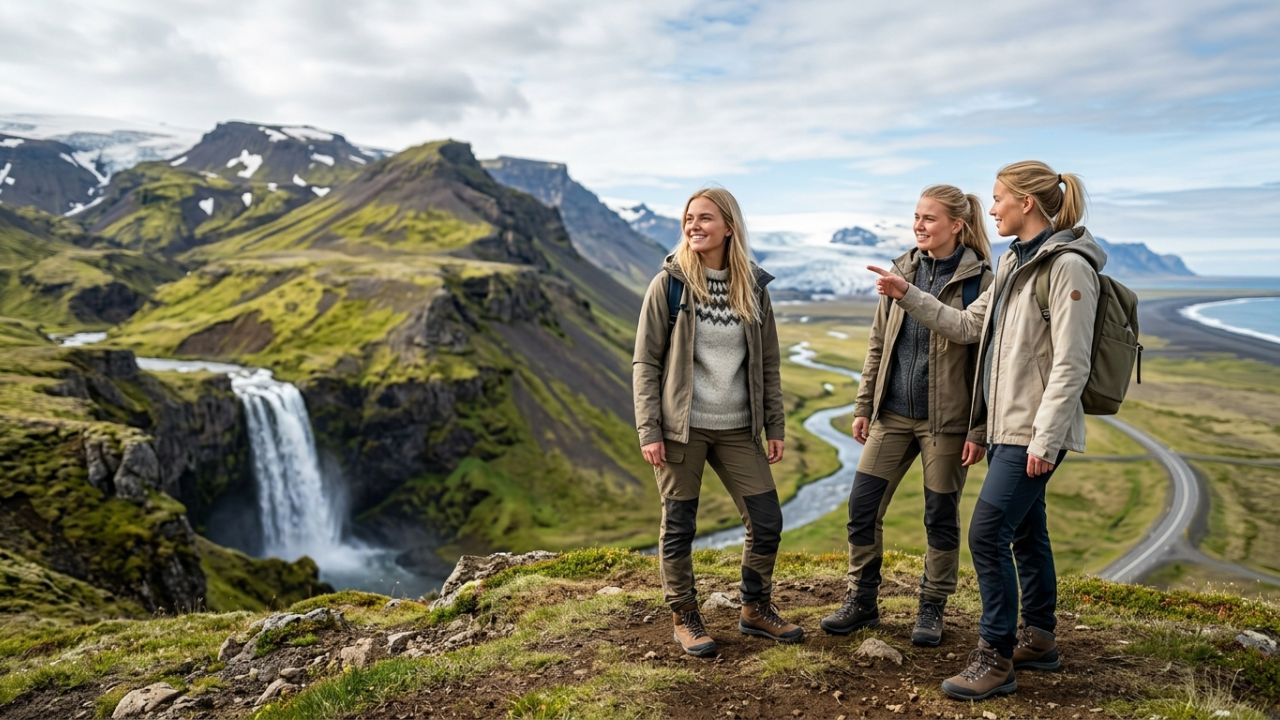
Image generated by AI
Published on June 24, 2026
Iceland has once again secured the top spot among the safest countries for tourism globally, extending its historic dominance for a nineteenth consecutive year. The latest index highlights how the island nation continues to outperform other leading developed countries—including Switzerland, Japan, Canada, Australia, New Zealand, the United Arab Emirates, and Finland—in maintaining a stable security environment. Travelers prioritizing low-risk destinations are encouraged to consult these rankings to plan secure and reliable international journeys.
The findings from this year's security evaluations reflect a broader shift in consumer behavior, where safety has become the primary factor in destination planning. Rather than selecting locations based purely on cost or popular attractions, tourists are increasingly prioritizing regions with robust governance, dependable healthcare networks, and low exposure to crime. By studying these rankings, solo travelers and long-haul tourists can identify the most secure environments to visit during the peak season.
Quick Summary
- Unmatched Historic Run: Iceland has topped the worldwide safety rankings for 19 consecutive years, demonstrating a rare level of long-term security.
- Elite Safety Tier: The country outperforms other highly secure nations including Switzerland, Japan, and Canada in terms of overall peace and public order.
- Low Crime Environment: Very low rates of violent crime, combined with high social trust and community cohesion, form the foundation of Iceland's safety record.
- Nordic and Pacific Competitors: Countries like Finland, Australia, and New Zealand maintain strong positions, offering secure environments for outdoor and regional travel.
- Urban Security Leaders: High-density hubs such as the United Arab Emirates and Singapore lead in urban safety standards through advanced security technologies.
Context and Background: Safety as the Ultimate Travel Priority
In 2026, the international tourism sector is experiencing a major realignment of traveler values, with safety emerging as the defining force behind travel choices. Discerning travelers, particularly solo adventurers and families, are focusing their itineraries on destinations that offer low-risk environments and reliable public infrastructure. This trend is a direct response to global geopolitical uncertainties and varying rates of recovery in municipal services across different tourism economies.
Against this background, global security databases and public safety indicators are being closely analyzed by travel planners to guide consumers toward secure choices. The release of the latest international safety rankings provides travelers with verified data to assess destination stability. By focusing on metrics like institutional transparency, crime prevention, and emergency response times, the index offers an objective look at global travel safety.
Event and Incident Details: Iceland and Top Nations Confirmed as the Safest Countries for Tourism
The official release of the Global Travel Safety Index 2026 (also referred to as the World Travel Safety Index) confirms that Iceland remains the world's most secure travel destination. The country's nineteen-year run at the top is supported by its small population, low urban density, and deeply rooted culture of social cooperation. These factors combine to create a safe environment for both residents and visitors, even during peak tourism seasons.
To help travelers compare the security profiles and key safety drivers of the top-performing nations, the table below highlights the results:
| Ranked Country / Security Tier | Primary Safety Drivers and Institutional Strengths | Key Travel Context and Regional Indicators |
|---|---|---|
| Iceland (Ranked #1) | Extremely low violent crime, high social trust, and efficient emergency systems | Geographic isolation and small population support public order |
| Switzerland | Strong public institutions, political neutrality, and highly efficient transport | Urban environments are consistently ranked among the safest globally |
| Japan | Culturally embedded respect, low crime, and strong public responsibility | A preferred destination for solo and first-time travelers in Asia |
| Canada | Political stability, robust healthcare, and vast geographical safety zones | Low levels of violent crime compared to global averages |
| Australia & New Zealand | Strict safety rules for tourism activities and strong healthcare systems | Geographic isolation reduces exposure to cross-border risks |
| Finland | Low corruption, high public transparency, and reliable municipal services | Represents a model of Nordic stability and long-term security |
| United Arab Emirates | Advanced surveillance technology and rapid emergency response systems | Positioned as a secure, high-density international travel hub |
| Singapore | Tightly regulated public spaces and strict enforcement of local laws | High urban order makes it one of the safest city-state destinations |
While Iceland continues to lead the index, other nations maintain highly competitive safety records. Switzerland's political neutrality and efficient emergency services ensure its cities remain exceptionally safe. In Asia, Japan remains a top choice for solo travelers due to its low crime rates, while Canada offers a secure environment across both metropolitan areas and remote regions.
Risk and Impact Section: Mitigating Key Security Threats and Global Travel Risks
The latest travel safety index focuses on helping travelers avoid destinations with elevated security threats and operational disruptions. Top-ranked countries successfully minimize the following travel risks:
- Violent Crime and Personal Safety Threats: Safety databases analyze homicide rates, armed robberies, and physical assaults, which remain low in countries like Iceland and Japan.
- Geopolitical and Civil Instability: Countries with predictable governance and strong institutions are less likely to experience sudden border closures, civil unrest, or political disruptions.
- Infrastructure and Transport Failures: High-ranking nations invest heavily in public transport safety, reducing the risk of transit accidents and scheduling chaos.
- Emergency Response and Medical Access Gaps: Top destinations ensure rapid response times from police, fire, and medical teams, minimizing the impact of health emergencies.
- Natural Disasters and Environmental Disruptions: While natural hazards like volcanic activity exist in Iceland, advanced monitoring systems ensure early warnings and rapid evacuation protocols.
By selecting destinations within the upper tier of the index, travelers can significantly reduce their exposure to these operational and safety risks.
What Authorities and Safety Analysts Are Saying
National travel departments and security analysts are highlighting the importance of objective data in travel planning. Representative spokespersons from global risk assessment firms have noted that travelers should consult official advisories, such as the United States Department of State travel advisories, to stay informed about changing safety conditions. These agencies emphasize that proactive research is essential to avoid unpredictable security risks.
Furthermore, analysts from the Global Peace Index (GCP) emphasize that Iceland's long-term dominance reflects a stable societal structure. Safety experts recommend that travelers look beyond tourism marketing and examine structural indicators—like social trust, low corruption, and emergency preparedness—when choosing their next vacation destination.
Practical Traveler Advice Section: Travel Tips for Safest Countries for Tourism
For travelers planning an international trip in 2026, travel experts suggest the following actionable tips to ensure a safe and smooth journey:
- Monitor Local Environmental Alerts: Even in the safest countries like Iceland, natural hazards can occur. Stay updated on volcanic activity or weather alerts through official municipal platforms.
- Review Regional Advisory Levels: Government advisories often provide state-by-state safety details. Consult official sources before traveling to remote regions.
- Utilize Trusted Transportation Networks: Take advantage of the highly efficient and secure public transport systems in countries like Switzerland and Japan to navigate safely.
- Confirm Medical and Emergency Coverage: Ensure your travel insurance covers emergency medical services, especially if you plan to participate in outdoor activities in Australia or New Zealand.
- Understand Local Laws and Guidelines: Tightly regulated urban hubs like Singapore and the UAE require strict adherence to local regulations. Familiarize yourself with local rules before arrival.
Broader Context Section: Shared Attributes of the Safest Countries for Tourism
The consistent performance of the top-ranked nations reveals several shared characteristics that drive public safety. Low crime rates are supported by high levels of social trust, where community-driven norms encourage public order and respect for others. Political stability and predictable governance ensure that institutions can manage emergencies without disrupting daily life.
Additionally, access to quality healthcare and robust emergency response systems protect both residents and visitors during crises. High social trust and cultural cohesion create welcoming environments, allowing travelers to explore these destinations with confidence. By prioritizing these structural strengths, the safest countries continue to attract high-value tourism.
What to Expect Next / Looking Ahead: Evolving Security Metrics and Safety Innovations
Looking ahead, global travel safety assessments are expected to incorporate more real-time data and technology-driven metrics. Safety analysts predict that future indexes will place greater emphasis on digital security, public health infrastructure, and climate resilience when evaluating destination risk.
From 2026 onwards, top-ranking countries plan to continue upgrading their safety monitoring systems. The integration of advanced surveillance in urban hubs and scientific monitoring in volcanic zones will ensure these destinations remain prepared for emerging challenges, maintaining their positions as secure choices for international travelers.
Conclusion: Prioritizing Peace of Mind in Your Travel Plans
Iceland's continued dominance in global safety rankings highlights the value of social trust and political stability in modern tourism. While destinations like Switzerland, Japan, and Canada maintain highly secure environments, Iceland's nineteen-year run remains unmatched. By consulting global indices, staying informed through official advisories, and preparing for local conditions, travelers can enjoy a safe, comfortable, and worry-free international vacation.
Related Travel Guides
Travel Safety Advisory 2026: US State Dept Issues Global Alert for Crowded Destinations
The 10 Safest Travel Destinations in Europe, According to Reddit
Disclaimer: Travel safety conditions can change rapidly due to environmental, political, or public health factors. Always verify current travel advisories and security guidelines directly with your national government and local authorities before departure.
FAQ: Global Travel Safety and Peace Rankings
Why does Iceland consistently rank as the safest country for tourism?
Iceland's long-term safety dominance is driven by extremely low rates of violent crime, high social trust, political stability, and highly efficient emergency response systems, all supported by a small population and geographic isolation.
Which other countries rank highly in global safety indexes?
Other top-performing countries include Switzerland, Japan, Canada, Australia, New Zealand, Finland, the United Arab Emirates, and Singapore, which all maintain exceptionally low crime rates and strong public infrastructure.
How do urban hubs like Singapore and the UAE manage public safety?
These high-density destinations utilize advanced urban safety management systems, including modern surveillance networks, rapid emergency response units, and strict law enforcement frameworks to protect tourists.
Are natural hazards monitored in top-ranked destinations?
Yes, destinations like Iceland utilize advanced scientific monitoring systems to track volcanic activity and extreme weather, ensuring rapid alerts and minimizing disruptions for travelers and residents.
What should I check before choosing a travel destination in 2026?
Travelers should consult official government databases, such as the US Department of State travel advisories, and review structural indicators like political stability, crime rates, and local healthcare access.
Disclaimer
This article is for informational and educational purposes only. It does not constitute legal, financial, or professional advice. While we strive to provide accurate and up-to-date information, travel policies, regulations, and conditions change rapidly. Always verify information with official sources before making travel decisions. Nomad Lawyer makes no representations about the accuracy, reliability, completeness, or suitability of the information provided. Readers should consult qualified professionals for advice specific to their circumstances. The views expressed in this article are those of the author and do not necessarily reflect the views of Nomad Lawyer.
Kunal K Choudhary
Co-Founder & Contributor
A passionate traveller and tech enthusiast. Kunal contributes to the vision and growth of Nomad Lawyer, bringing fresh perspectives and driving the community forward.
Learn more about our team →