
Iceland, Switzerland, and 8 European Nations Launch Digital Tourism and Smart Investment Initiative 2026
Iceland and nine other European nations are pivoting toward high-value, tech-driven tourism in 2026, utilizing digital services and smart investments to decentralize visitor flows and boost local economies.
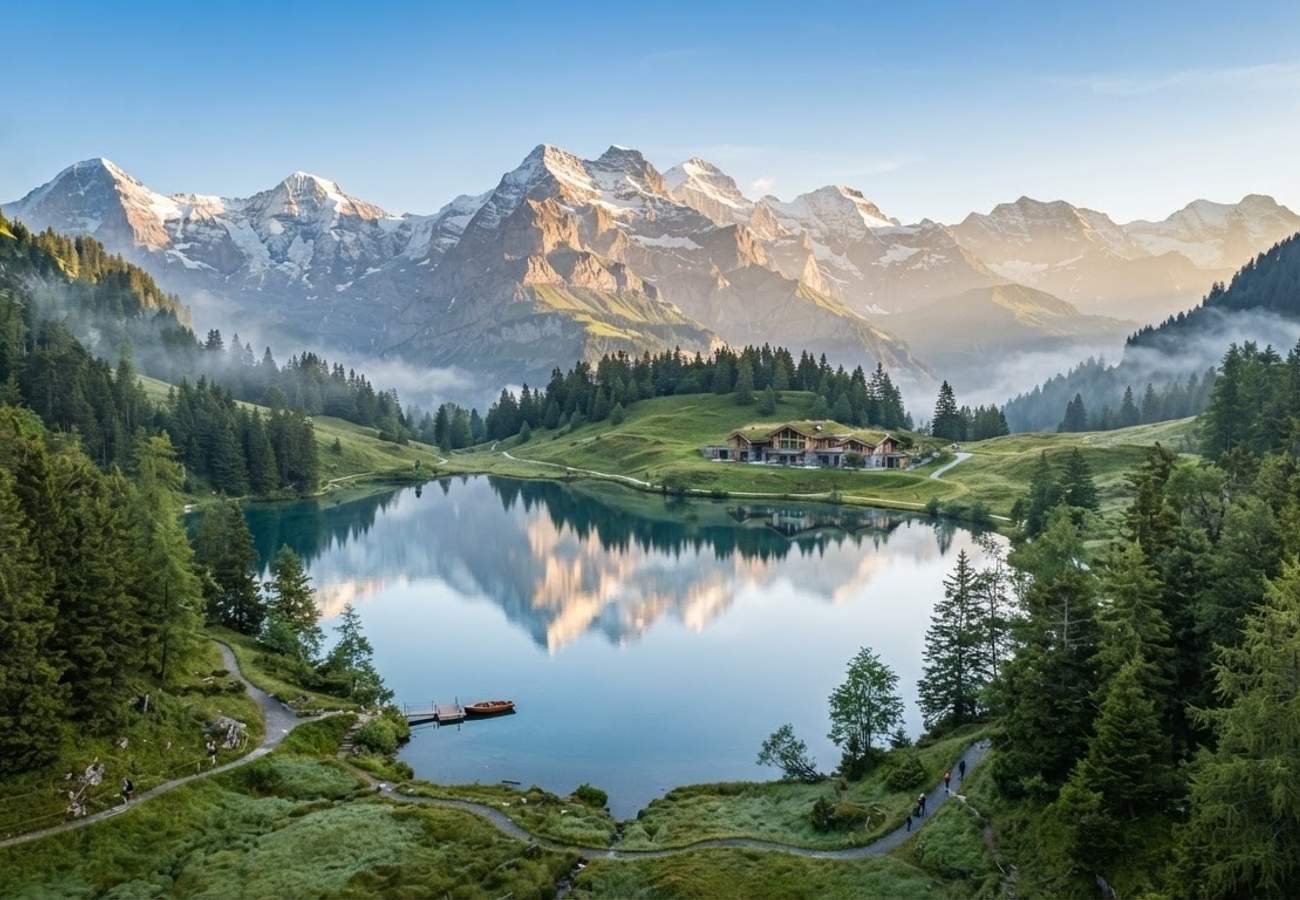
Image generated by AI
Ten European nations, led by Iceland and Switzerland, are deploying a coordinated shift toward digital transformation and smart investment to redefine the continent's tourism economy in 2026. This strategic pivot moves away from traditional mass-tourism volume and toward a "high-value" model designed to increase average visitor spend and protect fragile ecosystems.
The current landscape of European travel is undergoing a fundamental transition. Rather than simply counting arrivals, tourism boards are now prioritizing longer stays and the redistribution of wealth into rural or overlooked regions. By integrating advanced technology with sustainable infrastructure, these countries aim to mitigate the negative effects of overtourism while securing long-term economic resilience.
The 2026 Blueprint for European Tourism Growth
Industry data indicates that the modern traveler no longer seeks generic sightseeing but instead demands hyper-personalized, safe, and authentic interactions. To meet this demand, European authorities have implemented a multi-pronged growth strategy focusing on digital infrastructure and regional equity.
The following framework outlines the current operational priorities across the participating nations:
| Tourism Growth Strategy | Primary Objective |
|---|---|
| Digital visitor services | Delivery of real-time data to enhance the traveler journey |
| Smart destination management | Regulation of visitor traffic to alleviate pressure on hotspots |
| Sustainable tourism | Preservation of critical cultural and natural assets |
| Regional development | Diversification of tourism revenue beyond metropolitan hubs |
| Innovation investment | Development of competitive, tech-forward tourism ecosystems |
| Job creation | Stimulating local employment through specialized tourism roles |
Despite global economic fluctuations, international arrival numbers in 2026 remain robust, providing a stable foundation for these technological investments.
Iceland Integrates Digital Safety into Adventure Tourism
Iceland is currently leveraging its natural assets to become a global leader in "smart adventure" tourism. The national strategy extending to 2030 emphasizes a delicate balance between profitability and environmental stewardship.
A centerpiece of this digital evolution is the expansion of the Safe Drive Iceland platform. By digitizing critical safety information, the government is reducing the risk associated with self-drive exploration in volatile terrains. The platform provides essential real-time data, including:
- Road Condition Updates: Enabling tourists to bypass hazardous routes.
- Weather Intelligence: Facilitating safer journey planning.
- Emergency Guidance: Providing immediate safety protocols for stranded travelers.
- Fuel and EV Infrastructure: Mapping charging stations to promote sustainable mobility.
- F-road Navigation: Ensuring highland exploration is conducted responsibly.
By steering visitors toward regional destinations and year-round activities, Iceland is actively working to decouple its economy from the volatility of peak-season surges.
Switzerland and the Pivot to Premium Nature Experiences
Switzerland is doubling down on a "quality over quantity" mandate. By targeting high-net-worth individuals, the Swiss tourism model maximizes economic yield per visitor while minimizing the physical footprint on the Alpine environment.
The strategy focuses on luxury hospitality, high-end wellness tourism, and sustainable mountain travel. This approach directly benefits remote mountain communities, driving investment into local boutique hotels, specialized adventure businesses, and upgraded regional transport links. Furthermore, as global temperatures rise, Switzerland is seeing an uptick in "cool-cationing"—the trend of travelers seeking northern, temperate climates for summer holidays.
Spain and Portugal Decentralize the Mediterranean Experience
Spain and Portugal are aggressively fighting the "coastal trap" by diverting tourist traffic away from saturated beaches and major cities like Lisbon and Madrid.
Spain is currently promoting its interior provinces through a focus on wine tourism, heritage routes, and rural villages. This shift is designed to stimulate economic growth in the "Empty Spain" regions, using smart tourism tools to manage flow and prevent new hotspots from becoming overwhelmed.
| Spanish Tourism Focus | Growth Opportunity |
|---|---|
| Historic Cities | Expansion of cultural tourism |
| Rural Villages | Promotion of authentic local living |
| Nature Destinations | Growth in adventure and eco-travel |
| Smart Tourism Tools | Optimized visitor management |
Similarly, Portugal is investing in sustainable accommodation and cultural heritage projects in its inland towns. The goal is to transform the traveler's perception of the country from a coastal destination to a diverse, multi-regional experience.
Italy and Greece Expand Beyond Iconic Landmarks
Italy is attempting to break the dominance of the "Big Three" (Rome, Florence, Venice) by incentivizing visits to mountain regions and rural food-and-wine routes. This diversification is creating new hospitality investments in smaller communities, ensuring that the economic benefits of tourism reach the periphery of the country.
Greece is pursuing a similar trajectory by attempting to eliminate the "seasonal" nature of its economy. By investing in wellness tourism and mainland outdoor activities, Greece is encouraging year-round visitation, which reduces the immense pressure placed on the islands during the summer months.
Northern Europe and the Balkans Embrace Niche Markets
In the North, Finland and Estonia are utilizing their unique geography and digital prowess. Finland is positioning the Arctic as a year-round global attraction, focusing on high-quality, low-impact nature experiences such as Northern Lights excursions and wildlife tracking.
Estonia is applying its reputation as a "digital republic" to tourism. By implementing seamless digital travel solutions and smart visitor services, Estonia is creating a frictionless experience for the tech-savvy traveler.
Meanwhile, France continues to push its "Green Travel" initiative, promoting cycling routes and rural heritage to move visitors out of Paris and into the provinces. In the Balkans, Montenegro is emerging as a strategic alternative to the overcrowded Mediterranean, using its Adriatic coastline and rugged mountains to attract travelers seeking more personalized, less commercialized experiences.
Why This Matters: The Shift to "Value-Based" Travel
For the modern traveler, these changes mean a fundamental shift in how trips are planned and experienced. The transition to digital-first tourism—such as Iceland's safety platforms or Estonia's smart services—removes the friction of travel, making remote areas more accessible and safer.
From a logistical standpoint, the push toward regionalism means that travelers will find better infrastructure and more authentic services in rural areas than ever before. However, it also signals the end of the "cheap mass-tourism" era. As these nations pivot toward high-value models, the cost of entry may rise, but the quality of the experience and the sustainability of the destination are significantly improved.
The era of the "tourist" is ending; the era of the "responsible visitor" has begun.
Related Travel Guides
Disclaimer
This article is for informational and educational purposes only. It does not constitute legal, financial, or professional advice. While we strive to provide accurate and up-to-date information, travel policies, regulations, and conditions change rapidly. Always verify information with official sources before making travel decisions. Nomad Lawyer makes no representations about the accuracy, reliability, completeness, or suitability of the information provided. Readers should consult qualified professionals for advice specific to their circumstances. The views expressed in this article are those of the author and do not necessarily reflect the views of Nomad Lawyer.