Hurricane Nolo Tests Hawaii with 105 MPH Winds: Complete Island Travel Safety & Storm Preparedness Guide 2026

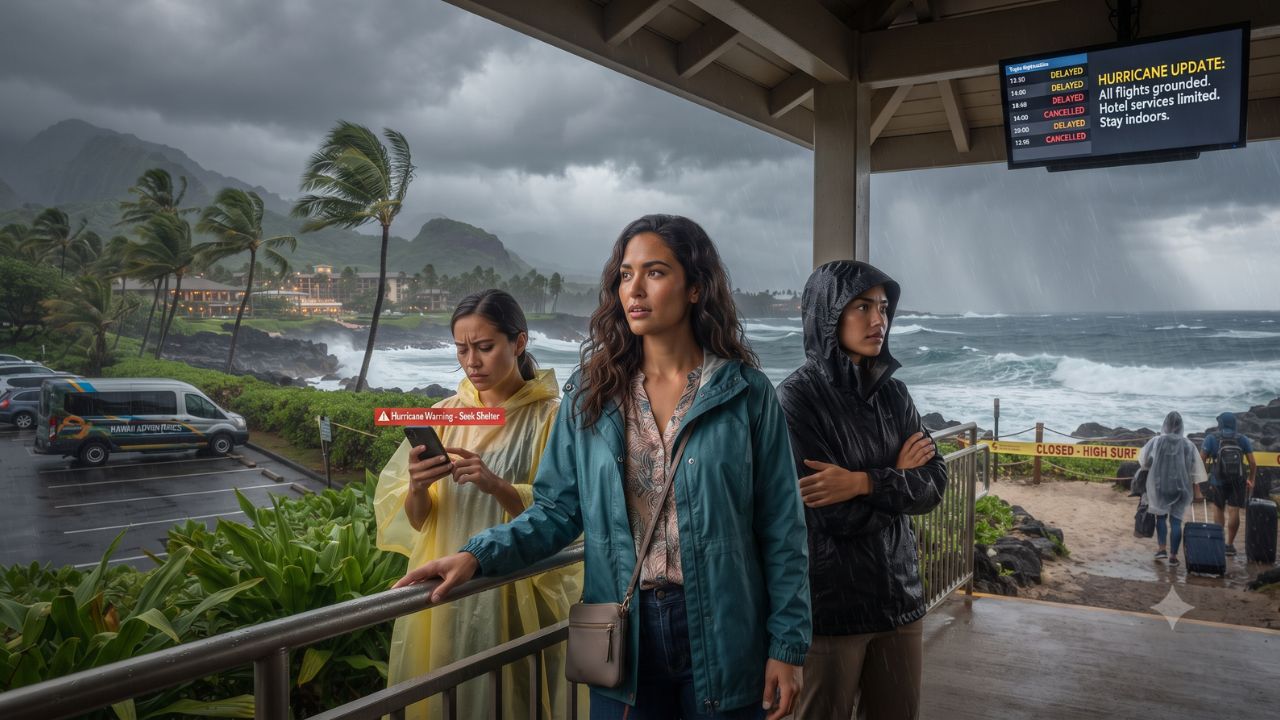
Packing maximum sustained winds of approximately 105 mph (165 km/h), Hurricane Nolo moved south of the Hawaiian archipelago, triggering high-surf advisories, marine cancellations, and flash flood alerts across island valleys. Forecast tracking from the National Hurricane Center (NOAA) highlights the acute vulnerability of island tourism ecosystems, where steep volcanic topography can rapidly accelerate surface runoff and trigger localized landslides during severe tropical storms.
While direct landfall was averted along the central island chain, outer weather bands generated heavy rainfall totals, life-threatening flash flooding risks, and dangerous storm surge across southern coastlines. The weather event has prompted emergency management officials, tour operators, and resort managers across Hawaii, Puerto Rico, and the wider American coastline to reinforce proactive safety protocols for travelers navigating storm seasons.
The Regional Impact: Island-by-Island Breakdown Across Hawaii
Tropical systems approaching the Hawaiian Islands present distinct risks depending on volcanic terrain, wind exposure, and coastal orientation:
- Hawaii Island (Big Island): Facing the highest concentration of flash flooding and slope hazards, the Big Island's massive volcanic peaks—Mauna Kea and Mauna Loa—trap tropical moisture, driving intense downpours into southern and eastern districts like Kaʻū, Puna, and Hilo. In response to saturated terrain, trail access within Hawaiʻi Volcanoes National Park is monitored continuously for rockfalls and road washouts.
- Maui County: Encompassing Maui, Molokai, and Lanai, Maui County faces heavy squalls and saturated soils across the West Maui Mountains and the steep switchbacks of the Hana Highway. Ocean excursions, snorkel charters to Molokini Crater, and ferry crossings through the ʻAuʻau Channel experience precautionary suspensions during elevated swell periods.
- Oahu: Home to Honolulu and Waikiki Beach, Oahu experiences powerful gusty winds and torrential cloudbursts channeled through the Nuʻuanu Pali and Koʻolau mountain gaps. Lifeguards restrict ocean swimming along southern and eastern shorelines due to severe rip currents and storm surge.
- Kauai and Molokai: The northernmost islands experience elevated surf, coastal erosion, and localized stream swelling across remote valleys, prompting temporary closures along wilderness hiking routes like the Kalalau Trail on the Napali Coast.
Coastal Vulnerabilities Across the United States and Caribbean
The disruptions caused by Hurricane Nolo mirror the seasonal weather patterns faced by other major American coastal and island tourism corridors:
- Puerto Rico: In the Caribbean, Discover Puerto Rico coordinates closely with island authorities as tropical systems generate high winds, coastal surges, and mountainous landslides around San Juan, El Yunque National Forest, and outlying islands like Vieques and Culebra.
- Florida and the Gulf Coast: From the low-lying coral atolls of the Florida Keys and Miami's barrier islands to Gulf Shores in Alabama and the Mississippi Gulf Coast, tropical storms generate significant storm surge, beach erosion, and flight disruptions across major international hubs.
- Louisiana and Texas: In New Orleans, heavy rain events test municipal pump infrastructure, while Galveston and Houston face storm tides and wind damage that can alter regional cruise itineraries departing the Gulf of Mexico.
- The Carolinas and Georgia: Coastal communities including the Outer Banks in North Carolina, historic Charleston and Myrtle Beach in South Carolina, and the Golden Isles of Georgia frequently navigate barrier island overwash and highway access restrictions during peak autumn storm tracks.
What Makes Island Weather Systems Unique for Travelers
Understanding island geography is vital for any traveler visiting tropical archipelagos. Unlike continental landmasses where weather systems move across flat terrain, volcanic islands create intense microclimates.
On the Big Island of Hawaii, windward slopes in Hilo can receive inches of rain in a few hours while leeward resorts in Kailua-Kona and the Kohala Coast remain comparatively dry under the rain shadow of 13,000-foot volcanoes. However, when large tropical storms pass south of the chain, southern and western shores experience unusual "Kona winds"—reversing typical wave patterns and driving heavy surf directly into normally calm hotel bays.
Travelers who adapt to these environmental rhythms discover that rainy afternoons provide ideal opportunities to explore cultural museums, sample local roast coffees in the upland mist of Holualoa, or enjoy farm-to-table dining featuring fresh Hawaiian poke and tropical fruit pastries.
Visitor Insider Tips for Navigating Storm Season in Hawaii
Traveling safely during tropical weather events requires preparation, real-time awareness, and flexibility:
- Download Verified Weather and Alert Apps: Rely on the National Weather Service Honolulu bureau and Hawaii County Civil Defense alerts rather than generic smartphone weather icons. Register your phone for local emergency notifications upon checking into your resort.
- Avoid Stream Valleys and Waterfalls During Downpours: Flash floods in Hawaii occur with astonishing speed. Never swim in freshwater pools or venture beneath waterfalls during or immediately following heavy rain, as mountain cloudbursts miles upstream can send walls of brown water, mud, and fallen logs crashing through gulches without warning.
- Check Inter-Island Flight Waivers: Major carriers operating inter-island hops, including Hawaiian Airlines and Southwest Airlines, routinely issue travel waivers during named tropical systems. Rebook connections between islands ahead of time to avoid being stranded at regional airstrips.
- Book Accommodations with Generous Cancellation Policies: When traveling between August and November, secure travel insurance covering tropical weather disruptions and book flexible hotel rates that allow date adjustments in the event of airline schedule changes.
- Heed Ocean Warning Flags and Lifeguard Directives: Island shore breaks can become lethal during high-surf advisories generated by distant storms. If red warning flags are posted along beaches, stay well back from wet rocks and breaking waves.
Cultural and Environmental Context: Indigenous Knowledge and Ecosystem Resilience
Native Hawaiian culture (kānaka maoli) has coexisted with extreme Pacific weather patterns for over a thousand years. Traditional land management systems (ahupuaʻa)—which divide land from mountain summits down to coastal fisheries—were intentionally designed to channel mountain runoff naturally through terraced taro patches (loʻi kalo) that filter silt and prevent coral reef degradation.
Modern conservation organizations and local communities are actively revitalizing these ancient watershed practices to protect coastal ecosystems from storm damage. By replanting native koa and ʻōhiʻa forests in upper watersheds and restoring coastal wetlands, islanders are strengthening natural defenses against soil erosion and storm surges.
Visitors consulting resources through GoHawaii are encouraged to practice mālama—a commitment to care for and protect the land. Staying on designated roadways, avoiding restricted watershed trails, and respecting local community advisories ensures traveler safety while supporting the long-term ecological balance of the islands.
FAQ: Visiting Hawaii During Tropical Weather 2026
When is hurricane and tropical storm season in Hawaii?
The Central Pacific hurricane season runs officially from June 1 through November 30, with the highest concentration of tropical activity typically occurring between August and October.
Are flights to Hawaii canceled during tropical storms?
Airlines generally maintain operations unless extreme winds or low visibility directly affect runway safety, but inter-island turboprop flights and marine boat charters frequently face temporary delays.
What should I do if a flash flood watch is issued while I am hiking?
Immediately move to higher ground away from stream beds, dry gulches, and low-lying river crossings. Never attempt to drive or walk through moving floodwaters.
Is it safe to visit Hawaii resorts during a passing tropical storm?
Yes. Modern resort structures across Hawaii are engineered to withstand high winds and heavy precipitation, though outdoor pool decks and ocean activities may close temporarily for guest safety.
Respecting the raw power of the Pacific and listening to local wisdom transforms unexpected tropical weather into a masterclass in island resilience.
Related Travel Guides
This article is for informational purposes. Flight routes, passenger regulations, visa rules, and transit advisories are subject to change by airlines and aviation authorities. Readers are advised to verify schedules and travel documentation with relevant carriers and border agencies before departure.
Related Stories

Using Airline Miles and Hotel Points for Caribbean Winter Travel 2026: US Virgin Islands and Beyond

New Zealand Visa Changes Delayed to Nov 23 2026 Amid South Island Weather Warnings