
Critical Software Upgrade Extends F-22 Raptor Operations Through 2030s Amid Next-Generation Fighter Delays
Breaking airline news and aviation industry updates for 2026.

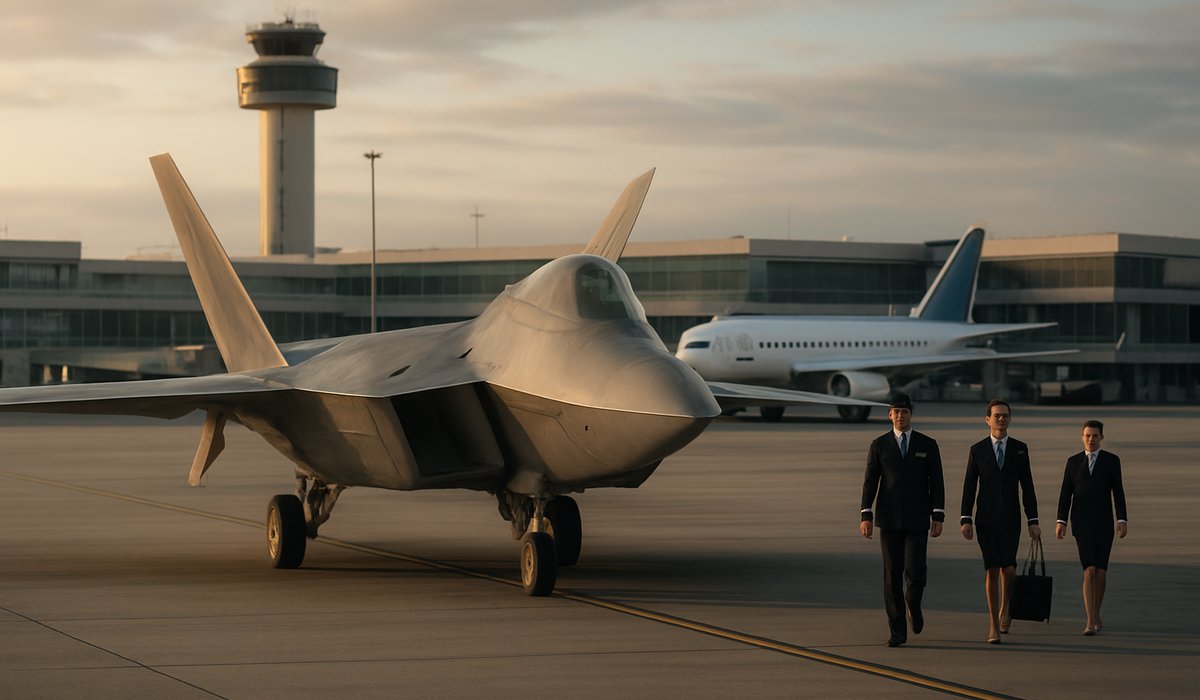
Image generated by AI
Critical Software Upgrade Extends F-22 Raptor Operations Through 2030s Amid Next-Generation Fighter Delays
Engine modernization program buys crucial time as U.S. Air Force accelerates F-47 development to maintain air superiority
Pentagon Extends Stealth Fighter Lifespan Through Technological Innovation
The United States Department of Defense is implementing a sweeping software modernization initiative for the Lockheed Martin F-22 Raptor's engines, a strategic move designed to keep America's most advanced stealth fighter operationally viable well into the 2030s. The upgrade addresses aging propulsion systems and extends the aircraft's service life at a critical juncture when the military's next-generation successor remains years away from full operational deployment.
F-47 Development Timeline Creates Capability Gap
Meanwhile, Boeing is accelerating development of the F-47, its eagerly anticipated air dominance platform intended to supplant the F-22 as the Pentagon's primary offensive fighter asset. Military planners project initial F-47 operational readiness around 2030—a target date that, even if met, would leave significant gaps in the fighter fleet during the transition period.
"The software enhancement to the F-22's propulsion systems ensures we maintain tactical superiority during this critical transition window," Pentagon officials explained, emphasizing the strategic necessity of extending existing platforms rather than risking capability shortfalls.
Multi-Year Maturation Process Expected
Defense analysts caution that even upon initial service entry in 2030, the F-47 will require years of operational testing, pilot training, and performance validation before achieving full combat effectiveness. This extended maturation timeline necessitates that the F-22 fleet—currently numbering in the hundreds—remain mission-ready and continuously upgraded.
The engine software update represents a cost-effective alternative to comprehensive airframe overhauls, leveraging advances in digital propulsion management to optimize fuel efficiency, extend maintenance intervals, and enhance overall reliability. Defense officials characterize the initiative as essential infrastructure investment rather than a temporary patch.
Strategic Implications for U.S. Air Superiority
The decision underscores broader challenges facing Pentagon procurement strategies: the gap between retiring legacy platforms and deploying revolutionary successors. Rather than accepting a window of reduced capability, military leadership has chosen sustained investment in proven systems while next-generation programs mature.
Industry analysts note this approach mirrors historical patterns in defense acquisition, where interim upgrades have repeatedly proven indispensable during transition periods. The F-22's continued modernization ensures American air dominance remains uncontested throughout the current decade.
FAQ: F-22 Raptor Engine Upgrades and Military Aviation
What does the F-22 engine software update accomplish? The modernization enhances propulsion system efficiency, extends maintenance cycles, and improves overall reliability through advanced digital management protocols.
When will the F-47 replace the F-22? Initial F-47 operational readiness is projected around 2030, with full fleet transition and maturation extending well beyond that date.
Why not simply retire F-22s and wait for the F-47? The multi-year development timeline for next-generation platforms creates unacceptable capability gaps; sustained F-22 upgrades bridge this critical transition period.
How does this software upgrade compare to full airframe modernization? Engine software updates are significantly more cost-effective and faster to implement than comprehensive overhauls while delivering meaningful performance improvements.
What's the strategic importance of maintaining F-22 operations? Continuous F-22 deployment ensures uninterrupted U.S. air superiority during the transition to next-generation fighter platforms.
Related Travel Guides
External Resources
Disclaimer
This article is for informational and educational purposes only. It does not constitute legal, financial, or professional advice. While we strive to provide accurate and up-to-date information, travel policies, regulations, and conditions change rapidly. Always verify information with official sources before making travel decisions. Nomad Lawyer makes no representations about the accuracy, reliability, completeness, or suitability of the information provided. Readers should consult qualified professionals for advice specific to their circumstances. The views expressed in this article are those of the author and do not necessarily reflect the views of Nomad Lawyer.
Preeti Gunjan
Contributor & Community Manager
A passionate traveller and community builder. Preeti helps grow the Nomad Lawyer community, fostering engagement and bringing the reader experience to life.
Learn more about our team →