
Hong Kong Tourism & Retail Report 2026: 12.8% Sales Surge as China Arrivals Hit 3.19 Million
Hong Kong’s retail sector recorded a 12.8% sales surge in March 2026, fueled by 4.35 million visitor arrivals and a massive 27.2% jump in luxury goods spending, signaling a total tourism recovery.

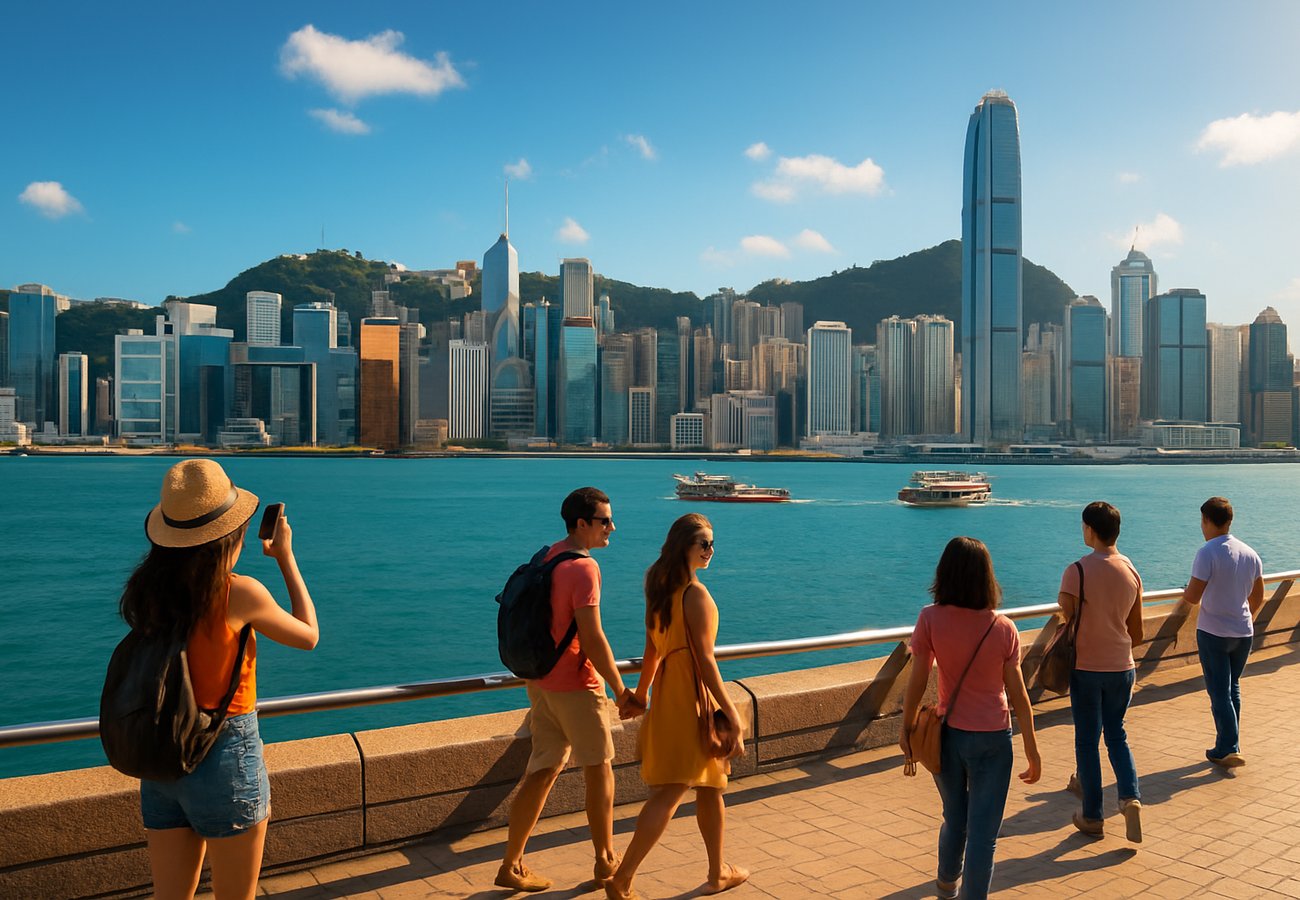
Image generated by AI
Quick Summary
- Retail Milestone: Hong Kong’s retail sales value surged by 12.8% year-on-year in March 2026, marking the 11th consecutive month of expansion.
- Total Revenue: Total retail sales reached HK$33.9 billion (approx. US$4.33 billion) during the month of March.
- Visitor Surge: Inbound arrivals crossed 4.35 million in March, a 14% increase compared to the previous year.
- Mainland China Dominance: Mainland Chinese travelers accounted for 3.19 million arrivals, a robust 15.9% annual increase.
- Luxury Sector Boom: Sales of jewellery, watches, and valuable gifts jumped by 27.2% YoY, highlighting the return of high-spending tourists.
- Automotive Peak: The automotive segment saw a dramatic 80.8% increase in sales of motor vehicles and parts.
- Quarterly Growth: For Q1 2026, total retail sales value climbed 12.1% YoY, with volume advancing by 9.8%.
- Connectivity Impact: Expanded high-speed rail and increased flight frequencies across the Greater Bay Area have successfully strengthened regional travel demand.
Hong Kong’s commercial and tourism ecosystems are experiencing a powerful synchronized recovery in early 2026. Official government data confirms that the territory has achieved eleven consecutive months of retail expansion, with March sales hitting HK$33.9 billion. This growth is intrinsically linked to the massive revival of cross-border travel, particularly from Mainland China, which contributed over 3.1 million visitors in a single month. The influx has revitalized iconic districts such as Tsim Sha Tsui, Central, and Causeway Bay, with luxury brands reporting a staggering 27.2% jump in sales for high-end watches and jewellery. Beyond traditional retail, the city is seeing a surge in automotive demand and fashion consumption, fueled by both rising local confidence and the return of international travelers. With improved regional connectivity via high-speed rail and a steady restoration of international aviation capacity, Hong Kong is re-asserting its position as Asia’s premier destination for luxury shopping, culinary tourism, and urban leisure breaks.
Hong Kong Tourism & Retail Performance March 2026: Growth Metrics by Sector
The following table summarizes the quantitative performance of Hong Kong’s retail sectors and visitor arrivals for the month of March 2026.
| Metric / Category | March 2026 Data | Year-on-Year (YoY) Change | Performance Context |
|---|---|---|---|
| Total Retail Sales Value | HK$33.9 Billion | +12.8% | 11th month of expansion |
| Total Retail Sales Volume | N/A | +9.8% | Real purchasing demand growth |
| Total Visitor Arrivals | 4.35 Million | +14.0% | Inbound tourism revival |
| Mainland China Arrivals | 3.19 Million | +15.9% | Primary tourism driver |
| Jewellery, Watches, Gifts | High Growth | +27.2% | Luxury sector dominance |
| Motor Vehicles & Parts | Record Surge | +80.8% | Rising private transport demand |
| Clothing & Footwear | Moderate Growth | +5.9% | Seasonal fashion momentum |
| Q1 Total Sales Value | HK$100B+ (Est) | +12.1% | Sustained Q1 resilience |
Retail Rebound: 12.8% Surge Marks 11th Consecutive Month of Growth
Hong Kong’s retail recovery has moved beyond a short-term spike into sustained economic resilience:
- Sales Value vs. Volume: The 12.8% value increase paired with a 9.8% volume increase indicates that growth is driven by genuine demand rather than just inflationary pricing.
- Total Market Worth: Reaching HK$33.9 billion in March alone demonstrates the massive scale of the city's commercial ecosystem as it returns to pre-pandemic vigor.
- Q1 Stability: The 12.1% growth across the entire first quarter of 2026 proves that the recovery is broadly entrenched across different consumer cycles.
Tourism Influx: Mainland China Arrivals Grow 15.9% to Hit 3.19 Million
The return of mainland travelers remains the critical pillar of Hong Kong's economic rebound:
- Inbound Dominance: Of the 4.35 million total arrivals in March, nearly 74% originated from Mainland China.
- Strategic Importance: These travelers are the primary contributors to luxury retail, high-end hospitality, and cross-border consumer spending.
- Tourism Board Trends: The 14% overall increase in arrivals signals that Hong Kong is successfully regaining its status as a top-tier global urban destination.
Luxury Sector Dominance: Jewellery and Watch Sales Jump 27.2%
Hong Kong’s reputation as a luxury shopping powerhouse is being reaffirmed by record spending:
- High-Value Consumption: The 27.2% jump in jewellery and watch sales follows a strong 24.2% increase in February, showing a clear upward trajectory in the premium segment.
- Tourist Attraction: Shopping remains a primary driver for regional travelers, who are drawn to Hong Kong’s tax advantages and high concentration of global designer boutiques.
- Premium Corridors: Luxury retail districts like Tsim Sha Tsui and Central are seeing the highest footfall since 2019, supported by affluent Asian travelers.
The Automotive Explosion: 80.8% Year-on-Year Growth in Car Sales
The most dramatic growth sector in March was unexpectedly found in the automotive market:
- Private Transport Demand: The 80.8% surge in motor vehicle and parts sales reflects a massive shift in local consumer confidence and an appetite for premium automobiles.
- Electric Vehicle Momentum: Analysts attribute a significant portion of this growth to the rising adoption of electric vehicles (EVs) and high-performance private transport in the city.
- Sustained Acceleration: This follow’s a 37.3% increase in February, indicating a long-term trend in private wealth expenditure.
Regional Connectivity: Greater Bay Area Mobility and High-Speed Rail Impact
Infrastructure improvements have facilitated a seamless flow of travelers:
- Greater Bay Area Integration: The "one-hour living circle" strategy has made weekend shopping trips to Hong Kong highly accessible for residents of Shenzhen, Guangzhou, and other GBA cities.
- High-Speed Rail Operations: Expanded rail services have significantly boosted the volume of day-trippers and short-stay visitors coming from the mainland.
- Aviation Restoration: International airlines continue to restore flight frequencies, improving connectivity for travelers from Southeast Asia, Japan, and South Korea.
Urban Hubs: Footfall Increases in Tsim Sha Tsui and Causeway Bay
Hong Kong's primary shopping districts are reclaiming their global status:
- Tsim Sha Tsui Waterfront: Areas like K11 Musea and Harbour City are attracting international shoppers who combine luxury retail with waterfront leisure.
- Causeway Bay Resilience: Times Square and Hysan Place remain essential hubs for fashion and cosmetics, benefiting from the 5.9% growth in the apparel sector.
- Hospitality Spillover: The retail surge is directly correlating with improved hotel occupancy rates and restaurant revenues in these high-traffic zones.
Future Outlook: Economic Stability and Tourism Normalization in 2026
The forecast for the remainder of 2026 remains optimistic:
- Market Resilience: Authorities project a favorable outlook as labor market conditions remain stable and financial activity strengthens.
- Tourism Normalization: As airline seat capacity continues to expand, Hong Kong is well-positioned to maintain its competitive edge against other Asia-Pacific urban hubs.
- Strategic Investment: The March performance is encouraging new tourism investments and retail expansion projects across the city’s major commercial corridors.
Conclusion: Re-establishing Hong Kong as Asia’s Premier Shopping Gateway
Hong Kong’s performance in March 2026 serves as a definitive marker of its total tourism and retail recovery. By achieving double-digit growth across both arrivals and sales value, the city has proven its enduring appeal to the affluent regional traveler. With 3.19 million mainland visitors fueling a 27% surge in luxury spending and an incredible 80% jump in automotive sales, Hong Kong is not just recovering—it is entering a new phase of expansion. For the global travel industry, the city’s success provides a critical benchmark for the health of the broader Asia-Pacific consumer economy.
FAQ: Hong Kong Retail & Tourism 2026
How much did retail sales grow in Hong Kong in March 2026? Retail sales value increased by 12.8% year-on-year, reaching approximately HK$33.9 billion.
How many tourists visited Hong Kong in March 2026? Total visitor arrivals crossed 4.35 million, with 3.19 million of those coming from Mainland China.
Which retail sector saw the highest growth? The automotive sector (motor vehicles and parts) saw the highest growth at 80.8%, followed by the luxury goods sector (jewellery and watches) at 27.2%.
Related Travel & Shopping Guides
Disclaimer
This article is for informational and educational purposes only. It does not constitute legal, financial, or professional advice. While we strive to provide accurate and up-to-date information, travel policies, regulations, and conditions change rapidly. Always verify information with official sources before making travel decisions. Nomad Lawyer makes no representations about the accuracy, reliability, completeness, or suitability of the information provided. Readers should consult qualified professionals for advice specific to their circumstances. The views expressed in this article are those of the author and do not necessarily reflect the views of Nomad Lawyer.
Kunal K Choudhary
Co-Founder & Contributor
A passionate traveller and tech enthusiast. Kunal contributes to the vision and growth of Nomad Lawyer, bringing fresh perspectives and driving the community forward.
Learn more about our team →