
Hong Kong Expands Regional Aviation Network With Cathay Cargo’s New Airbus A330 Freighter Through Air Hong Kong, Boosting Asia Travel Supply Chains and Cargo Capacity: Everything You Need to Know
Cathay Cargo expands regional capacity with a new Airbus A330P2F freighter via Air Hong Kong, boosting Asia-Pacific supp

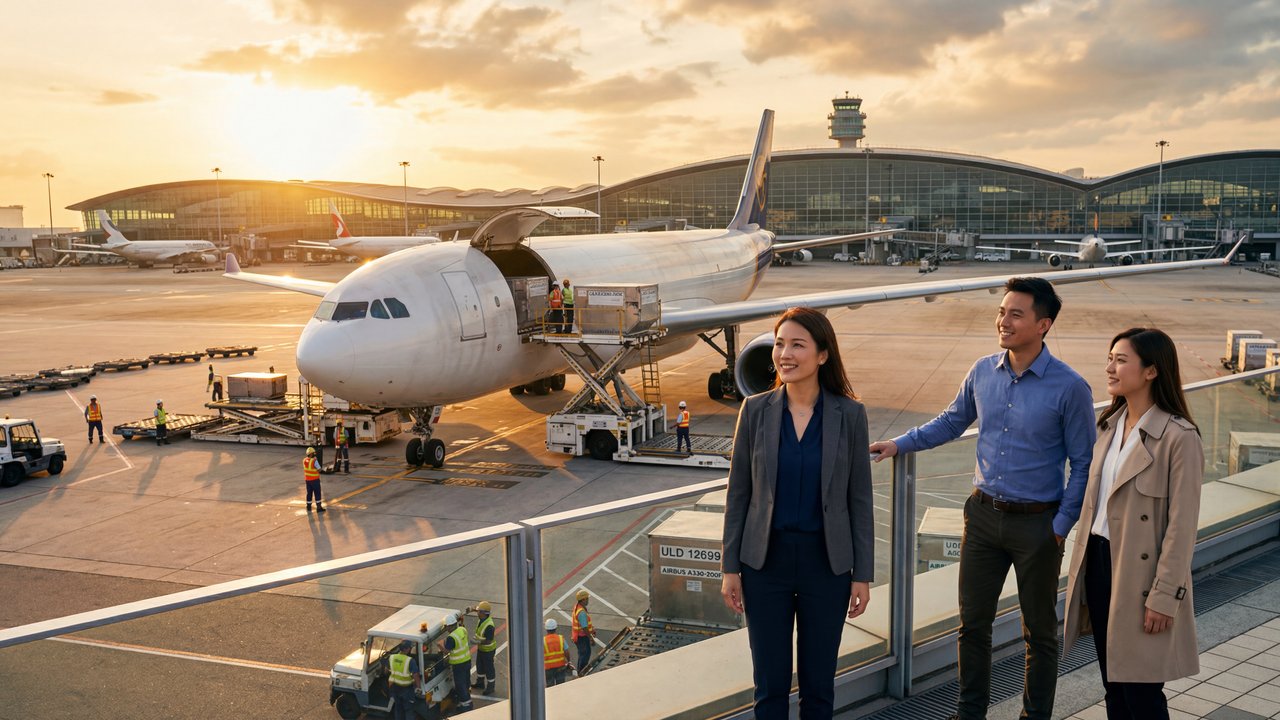
Image generated by AI
[Hong Kong, June 23, 2026] — Cathay Cargo is significantly increasing its regional logistics capacity with the acquisition of an additional Airbus A330 converted freighter via its subsidiary, Air Hong Kong. The aircraft is slated to begin commercial operations in the fourth quarter of 2026, targeting a surge in trade volumes across the Chinese Mainland and broader Asian markets.
The strategic move arrives as part of a massive fleet modernization initiative valued at over HK$100 billion. By integrating more versatile aircraft, the carrier aims to optimize its supply chain capabilities and reinforce Hong Kong International Airport’s status as a premier global freight hub. This expansion is designed to meet the escalating demands of cross-border e-commerce and the transport of high-value, time-sensitive goods.
Strategic Fleet Integration for Regional Cargo Growth
The latest addition to the fleet is an Airbus A330 Passenger-to-Freighter (A330P2F), secured through a long-term leasing agreement. Industry observers note that the use of converted aircraft has become a global trend, providing airlines with a cost-effective alternative to new-build freighters while maintaining high operational efficiency.
For the Cathay Group, this aircraft fills a critical gap in its operational structure. While the existing Boeing 747 fleet continues to manage heavy, long-haul international routes, the A330P2F will focus on medium-haul regional sectors. This tiered strategy allows the operator to match aircraft size to specific cargo demand, thereby reducing fuel waste and optimizing flight schedules.
The aircraft's deployment in late 2026 will specifically target the corridor between Hong Kong and Mainland China, ensuring that seasonal peaks in shipping demand are managed without capacity bottlenecks.
Strengthening Asia-Pacific Logistics Networks
The Asia-Pacific region remains the epicenter of global manufacturing, with a heavy reliance on air freight for the movement of semiconductors, pharmaceuticals, and automotive components. While belly cargo in passenger planes provides significant volume, dedicated freighters are indispensable for oversized shipments and guaranteed overnight delivery windows.
The addition of the A330 freighter enhances operational resilience, allowing the carrier to pivot quickly as trade patterns shift. Reports indicate that regional cargo services now act as the primary arteries for Asian logistics, feeding larger intercontinental hubs where goods are transferred to long-haul flights bound for North America, Europe, and the Middle East.
Fleet Comparison and Strategic Utility
| Category | Existing Fleet | New Addition | Strategic Benefit |
|---|---|---|---|
| Regional Freighter | Airbus A330 Freighters | Airbus A330P2F | Higher regional capacity |
| Long-haul Freighter | Boeing 747 Freighters | Airbus A350F (future) | Fleet modernisation |
| Passenger Belly Cargo | Cathay passenger network | Continued utilisation | Additional cargo flexibility |
| Regional Focus | Chinese Mainland & Asia | Expanded frequencies | Faster cargo connectivity |
Hong Kong's Evolution as a Global Freight Gateway
Hong Kong has long maintained its position as a top-tier cargo hub due to its free-trade policies, streamlined customs protocols, and proximity to Southern China's manufacturing belt. The recent implementation of the Three-Runway System has further amplified this advantage, allowing for a higher volume of simultaneous take-offs and landings.
This fleet expansion is a proactive response to these infrastructure upgrades. By increasing its freighter count, the group is ensuring that available air capacity keeps pace with the airport's physical ability to handle more flights. Such foresight mirrors a broader trend across Asian aviation, where carriers are investing in modernization to hedge against geopolitical volatility.
Analyzing the Global Air Cargo Recovery
Market data from the International Air Transport Association (IATA) suggests that global cargo demand returned to a growth trajectory throughout 2024 and 2025. This recovery is largely fueled by the explosion of digital commerce and a rebound in industrial production.
While sea freight handles the bulk of global trade by volume, air freight accounts for roughly one-third of global trade by value. This disparity highlights the premium nature of air-shipped goods, such as precision machinery and luxury items, which require the speed and security that only dedicated freighters can provide.
The Expanding Role of Air Hong Kong
As the first dedicated all-cargo airline in the region, Air Hong Kong has become a cornerstone of the wider aviation ecosystem. The carrier currently manages a fleet of fourteen Airbus A330 freighters, specializing in express logistics and international parcel networks.
The arrival of the new A330P2F does more than just increase payload; it improves the airline's ability to maintain strict schedules. With more aircraft in the rotation, maintenance can be conducted without disrupting service levels, providing freight forwarders and exporters with greater reliability during peak shipping windows.
Air Hong Kong Operational Profile
| Operational Indicator | Current Position |
|---|---|
| Airline Type | Dedicated Cargo Carrier |
| Parent Group | Cathay Group |
| Current Freighter Fleet | 14 Airbus A330 Freighters |
| New Aircraft | Airbus A330 Passenger-to-Freighter |
| Entry Into Service | Fourth Quarter 2026 |
| Primary Network | Chinese Mainland and Regional Asia |
| Main Cargo Focus | Express Freight, E-commerce, General Cargo |
Comprehensive Investment Beyond Freight
The acquisition of the A330P2F is one piece of a larger HK$100 billion transformation plan. This massive capital injection covers the procurement of over 100 new aircraft, including narrowbody and widebody passenger planes, as well as the refurbishment of premium cabins and airport lounges.
This investment signals a strong vote of confidence in the long-term viability of the Asia-Pacific travel and trade market. For passengers, this means newer aircraft and better onboard experiences; for the logistics sector, it ensures a robust and scalable capacity to handle the future of global trade.
Group Investment Summary
| Investment Area | Details |
|---|---|
| Total Investment | More than HK$100 billion |
| Fleet Expansion | More than 100 new aircraft on order |
| Passenger Fleet | Narrowbody, regional and long-haul aircraft |
| Cargo Fleet | Airbus A330P2F and Airbus A350F expansion |
| Customer Experience | Cabin refurbishment and premium lounges |
| Technology | Digital innovation and operational upgrades |
The Interdependence of Cargo and Tourism
Though often viewed as separate entities, air cargo and tourism are deeply linked. The movement of hotel supplies, luxury retail goods, and pharmaceutical products is essential for maintaining the infrastructure of international tourist destinations.
In Hong Kong, the expansion of regional freight capacity supports the city's goals of remaining a premier aviation gateway. Enhanced cargo capabilities directly benefit the hospitality sector, the MICE (Meetings, Incentives, Conferences, and Exhibitions) industry, and cross-border business travel.
The Global Rise of the A330P2F
The Airbus A330 Passenger-to-Freighter program, a collaboration between Airbus and Elbe Flugzeugwerke (EFW), has seen a surge in popularity. By converting existing passenger airframes into cargo carriers, operators achieve a balance of high payload capacity and lower fuel burn compared to older four-engine aircraft.
These efficiencies have made the A330P2F a preferred choice for airlines in Asia, Europe, and the Middle East who require a flexible, medium-haul solution that does not carry the immense overhead of the largest freighters.
Freighter Fleet Specialization
| Aircraft Type | Primary Role | Typical Network | Fleet Status |
|---|---|---|---|
| Airbus A330P2F | Regional cargo operations | Chinese Mainland and Asia-Pacific | Expanding |
| Boeing 747 Freighter | Long-haul international cargo | Europe, North America, Middle East | Active |
| Airbus A350F | Next-gen long-haul freighter | Future international expansion | On order |
E-commerce as a Primary Growth Catalyst
The shift toward "instant" international delivery for electronics and fashion has fundamentally altered the aviation landscape. Consumers now expect rapid turnaround times, which places immense pressure on logistics providers to secure guaranteed uplift.
Because the Asia-Pacific region is the world's manufacturing heart, the ability to consolidate shipments within the Greater Bay Area and move them rapidly via air is a competitive necessity. The addition of the A330 freighter allows for more frequent "shuttle" services between production hubs and the Hong Kong gateway.
The continued investment in the freighter fleet, coupled with the Three-Runway System's increased capacity, ensures that Hong Kong remains the central node for Asian aviation. As supply chains diversify and the demand for speed increases, this expansion provides the operational flexibility required to sustain growth through the end of the decade.
Related Travel Guides
Disclaimer
This article is for informational and educational purposes only. It does not constitute legal, financial, or professional advice. While we strive to provide accurate and up-to-date information, travel policies, regulations, and conditions change rapidly. Always verify information with official sources before making travel decisions. Nomad Lawyer makes no representations about the accuracy, reliability, completeness, or suitability of the information provided. Readers should consult qualified professionals for advice specific to their circumstances. The views expressed in this article are those of the author and do not necessarily reflect the views of Nomad Lawyer.
Raushan Kumar
Founder & Lead Developer
Full-stack developer with 11+ years of experience and a passionate traveller. Raushan built Nomad Lawyer from the ground up with a vision to create the best travel and law experience on the web.
Learn more about our team →