
Hong Kong Airlines Supports Five-Year Plan as Carrier Targets Stronger Routes, Smart Travel and Aviation Growth
Hong Kong Airlines Supports Five-Year Plan as Carrier Targets Stronger Routes, Smart Travel and Aviation Growth

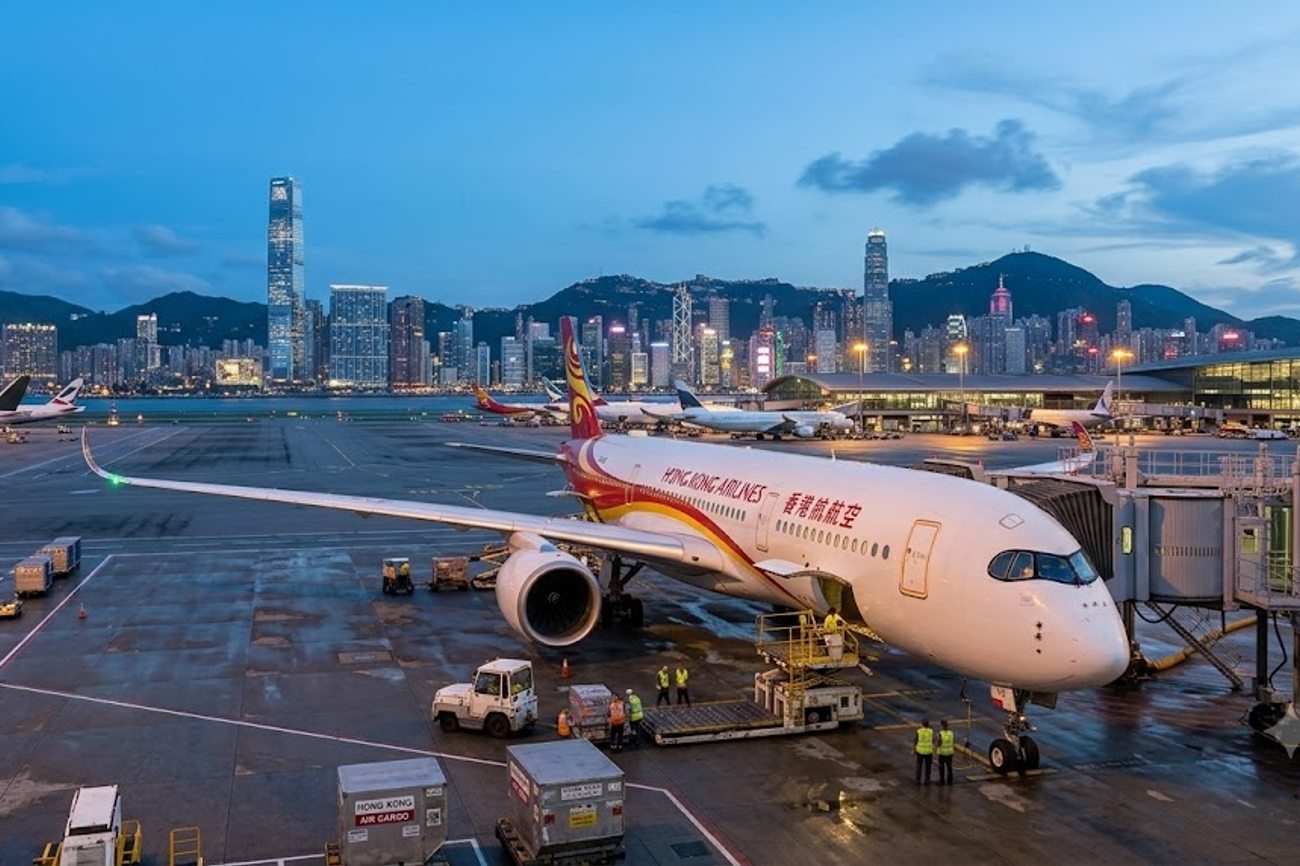
Image generated by AI
[Hong Kong, October 2023] — Hong Kong Airlines has formally pledged its support for the Hong Kong First Five-Year Plan for Economic and Social Development, a strategic government initiative spanning 2026 to 2030 aimed at aggressively expanding the city's international connectivity and aviation infrastructure.
The airline intends to align its corporate growth with the government's priorities of digitalization, innovation, and aviation expansion. This alignment is designed to solidify Hong Kong's status as a primary global aviation gateway while integrating the city more deeply into regional development strategies. The move signals a shift toward high-tech passenger services and a diversified route map that moves beyond traditional hubs.
The Strategic Driver: 2026-2030 Development Plan
The catalyst for this shift is the first-ever five-year development plan issued by the Hong Kong government. This policy framework mandates a comprehensive overhaul of the city's economic engines, specifically targeting aviation and international connectivity as primary growth pillars. By synchronizing its operational goals with this government mandate, Hong Kong Airlines is positioning itself to receive the regulatory and infrastructural support necessary to scale its fleet and network.
The strategy focuses on several key pillars:
- Network Diversification: Reducing reliance on legacy markets by tapping into emerging regional hubs.
- Mainland Integration: Creating seamless air corridors between Hong Kong and the interior of mainland China.
- Belt and Road Alignment: Prioritizing routes that serve markets within the Belt and Road Initiative to facilitate trade and diplomacy.
- Technological Overhaul: Moving away from legacy booking systems toward AI-driven, personalized passenger interfaces.
- Environmental Compliance: Investing in the aviation ecosystem to support the transition to sustainable fuels.
Markets and Routes Under Expansion
Hong Kong Airlines is already executing the first phase of this expansion by launching services to destinations that bridge the gap between international transit and regional tourism. The airline is shifting its focus toward "gateway" cities that provide access to previously underserved regions.
The following routes have been prioritized to support this connectivity surge:
| Destination | Region | Strategic Importance |
|---|---|---|
| Xining | Mainland China | Primary gateway to western China |
| Hulunbuir | Mainland China | Hub for nature and cultural tourism |
| Lanzhou | Mainland China | Critical regional transport link |
| Lijiang | Mainland China | Center for heritage and leisure travel |
| Da Nang | Vietnam | Key Southeast Asian coastal destination |
The airline is actively lobbying for the expansion of air service agreements and traffic rights. These bilateral treaties, often negotiated through the Civil Aviation Administration of China (CAAC) and international counterparts, determine the maximum number of flights and the specific cities an airline can serve. Without these government-level approvals, the 2026-2030 expansion goals cannot be realized.
Practical Traveler Advisory and Strategic Insights
For the average passenger, this corporate alignment translates into a shift in how flights are booked and where the aircraft actually fly. The focus is moving from "hub-to-hub" travel to "hub-to-region" travel.
Route Availability Travelers can expect a significant increase in direct flights to secondary cities in China and Southeast Asia. This eliminates the need for multiple layovers when visiting regional tourism spots like Lijiang or Da Nang, potentially reducing total travel time and cost.
Digital Experience The airline is moving toward an AI-powered ecosystem. This means the booking process will shift from a static search (Date A to Date B) to a personalized recommendation engine. Passengers may see flight suggestions based on their travel history, preference for specific times, or AI-generated itineraries that bundle flights with local tourism options.
Transit Efficiency As Hong Kong reinforces its role as a gateway, transit passengers moving between the Hong Kong International Airport (HKG) and mainland China will likely see streamlined processes and increased frequency of shuttle flights, making the city a more efficient jumping-off point for Asia-wide itineraries.
The Technological and Green Pivot
A significant portion of the 2026-2030 strategy is dedicated to the "invisible" side of aviation: technology and sustainability. Hong Kong Airlines is integrating artificial intelligence not just for marketing, but for operational efficiency.
AI Integration The airline is developing smart tourism solutions. These include:
- Predictive Booking: AI tools that suggest the best time to fly based on demand patterns.
- Personalized Planning: Technology-supported tools that help passengers plan their entire trip, not just the flight.
- Automated Support: Smarter customer service interfaces to resolve booking issues without human intervention.
Sustainable Aviation Fuel (SAF) Recognizing the global pressure to reduce carbon footprints, the airline is supporting the development of a sustainable aviation ecosystem. This includes investing in the processing of aircraft parts and the adoption of Sustainable Aviation Fuel (SAF). While SAF adoption is currently limited by global supply chains and high costs, the airline's commitment ensures that its fleet upgrades over the next five years will be compatible with greener fuel standards. This move aligns with the broader goals of the International Civil Aviation Organization (ICAO) to reach net-zero emissions.
FAQ: Hong Kong Airlines Strategy 2026-2030
Will ticket prices drop with more regional routes? Increased competition and more direct routes to secondary cities typically stabilize prices. However, the introduction of AI-driven personalized pricing may mean fares fluctuate more based on individual user data and real-time demand.
How will AI change my booking experience? Instead of manually searching for flights, you will likely receive personalized recommendations. The system will suggest destinations and schedules based on your previous travel behavior and current tourism trends in the Asia-Pacific region.
Which new destinations can I fly to now? The airline has already expanded services to Da Nang in Vietnam, and Xining, Hulunbuir, Lanzhou, and Lijiang in mainland China. More destinations are expected as new air service agreements are signed.
What is the goal of the "Sustainable Aviation" initiative? The airline aims to reduce its environmental impact by supporting the production and use of Sustainable Aviation Fuel (SAF) and improving the efficiency of aircraft parts processing to create a more resilient, green aviation ecosystem.
The skies over Hong Kong are expanding as the city bets on AI and regional connectivity to reclaim its crown as Asia's premier aviation hub.
Related Travel Guides
Disclaimer
This article is for informational and educational purposes only. It does not constitute legal, financial, or professional advice. While we strive to provide accurate and up-to-date information, travel policies, regulations, and conditions change rapidly. Always verify information with official sources before making travel decisions. Nomad Lawyer makes no representations about the accuracy, reliability, completeness, or suitability of the information provided. Readers should consult qualified professionals for advice specific to their circumstances. The views expressed in this article are those of the author and do not necessarily reflect the views of Nomad Lawyer.
Naina Thakur
Contributor & Travel Specialist
Travel enthusiast and legal writer covering visa regulations, responsible tourism, and cultural journeys across global destinations.
Learn more about our team →