
Himachal Weather Chaos: Yellow Alert Triggers Landslide Risks and Travel Disruptions
India Meteorological Department issues yellow alert for Himachal Pradesh. High landslide risks on NH-3 and NH-5 affect U

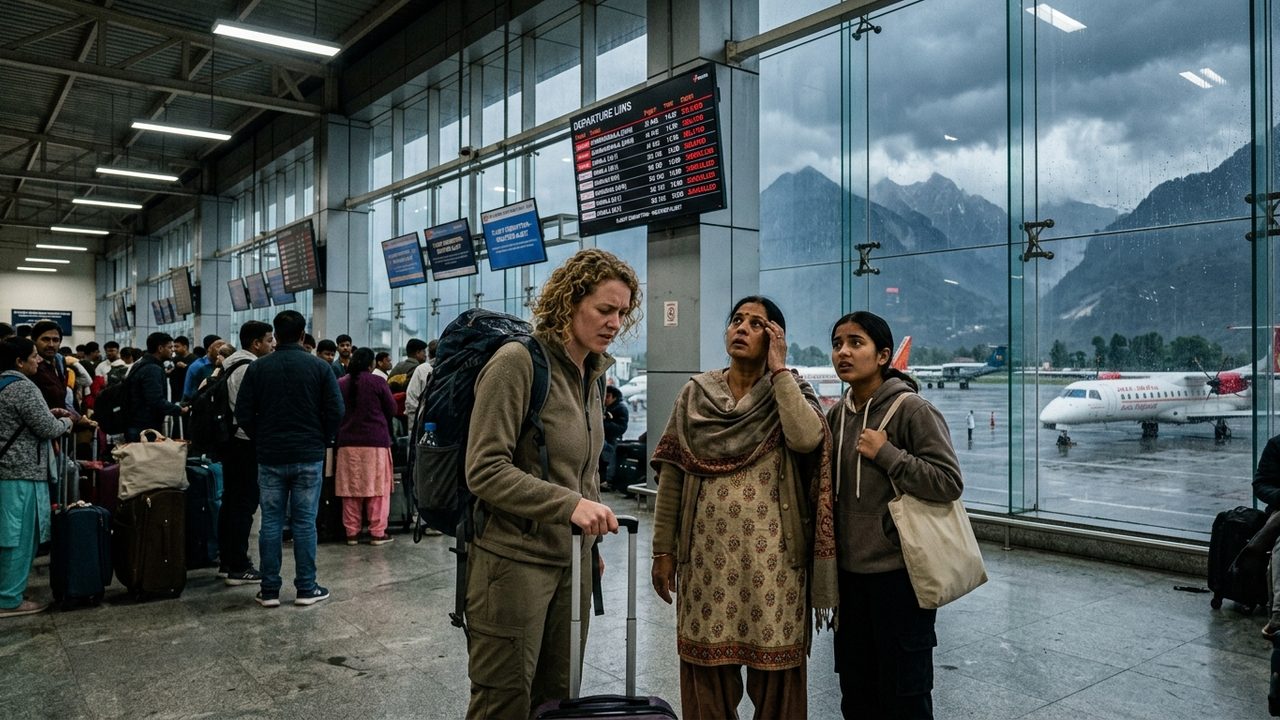
Image generated by AI
Severe atmospheric instability in Himachal Pradesh has triggered a yellow alert, causing immediate itinerary disruptions for international travelers from the US, UK, UAE, Australia, and Germany.
The India Meteorological Department (IMD) has warned of intensifying thunderstorms and gusty winds across the western Himalayas. This volatile weather pattern, driven by pre-monsoon instability and high moisture influx, is expected to persist through July 1.
The disruption is centered on primary tourist corridors, where sudden rainfall and wind speeds reaching 40 kmph are creating hazardous conditions. Local authorities have reported suspended adventure activities and restricted movement on critical mountain highways.
Key Facts Breakdown
- Alert Level: Yellow Warning (Active until July 1).
- Primary Hazards: Thunderstorms, gusty winds (up to 40 kmph), and sudden heavy rainfall.
- High-Risk Zones: Shimla, Manali, Kullu, and Dharamshala.
- Critical Infrastructure: National Highways NH-3 and NH-5 are under close monitoring.
- Danger Points: Unstable slopes near Pandoh and the Hanogi Temple corridor.
- Impacted Activities: Trekking, camping, and high-altitude trail exploration are temporarily suspended.
Regional Impact Snapshot
| District | Primary Weather Risks | Immediate Impact |
|---|---|---|
| Shimla | Strong winds & instability | High landslide risk in active zones |
| Kullu (Manali) | Sudden rainfall | Road disruptions and slope instability |
| Kangra (Dharamshala) | Thunderstorms & gusty winds | Suspended adventure tourism |
Why This Matters
Industry observers note that this situation highlights the extreme vulnerability of India's "mountain tourism" infrastructure during the pre-monsoon transition. The fact that high-value international segments—specifically luxury travelers from the UAE and adventure seekers from the UK and US—are being forced to modify itineraries suggests a systemic risk to the region's seasonal revenue.
The reliance on NH-3 and NH-5 as primary arteries creates a single point of failure; when these corridors face landslide risks, the entire tourism ecosystem of the Kullu and Shimla valleys effectively freezes. This volatility forces tour operators to prioritize safety over demand, leading to sudden cancellations and a shift in the perceived reliability of Himalayan travel during this window.
Industry Outlook
Expect a short-term surge in itinerary restructuring and "force majeure" claims as operators pivot away from high-altitude zones. Market trends suggest that travelers will increasingly rely on real-time "nowcast" tools, such as the Mausam app, rather than static seasonal guides. Until the atmospheric instability settles after July 1, movement across the Hanogi Temple and Pandoh stretches will remain high-risk, likely delaying the full scale of the summer tourism peak.
Related Travel Guides
Disclaimer
This article is for informational and educational purposes only. It does not constitute legal, financial, or professional advice. While we strive to provide accurate and up-to-date information, travel policies, regulations, and conditions change rapidly. Always verify information with official sources before making travel decisions. Nomad Lawyer makes no representations about the accuracy, reliability, completeness, or suitability of the information provided. Readers should consult qualified professionals for advice specific to their circumstances. The views expressed in this article are those of the author and do not necessarily reflect the views of Nomad Lawyer.
Raushan Kumar
Founder & Lead Developer
Full-stack developer with 11+ years of experience and a passionate traveller. Raushan built Nomad Lawyer from the ground up with a vision to create the best travel and law experience on the web.
Learn more about our team →