
Advanced Stealth Technology Drives U.S. Air Force Transition From B-2 Spirit to Northrop Grumman B-21 Raider
Breaking airline news and aviation industry updates for 2026.

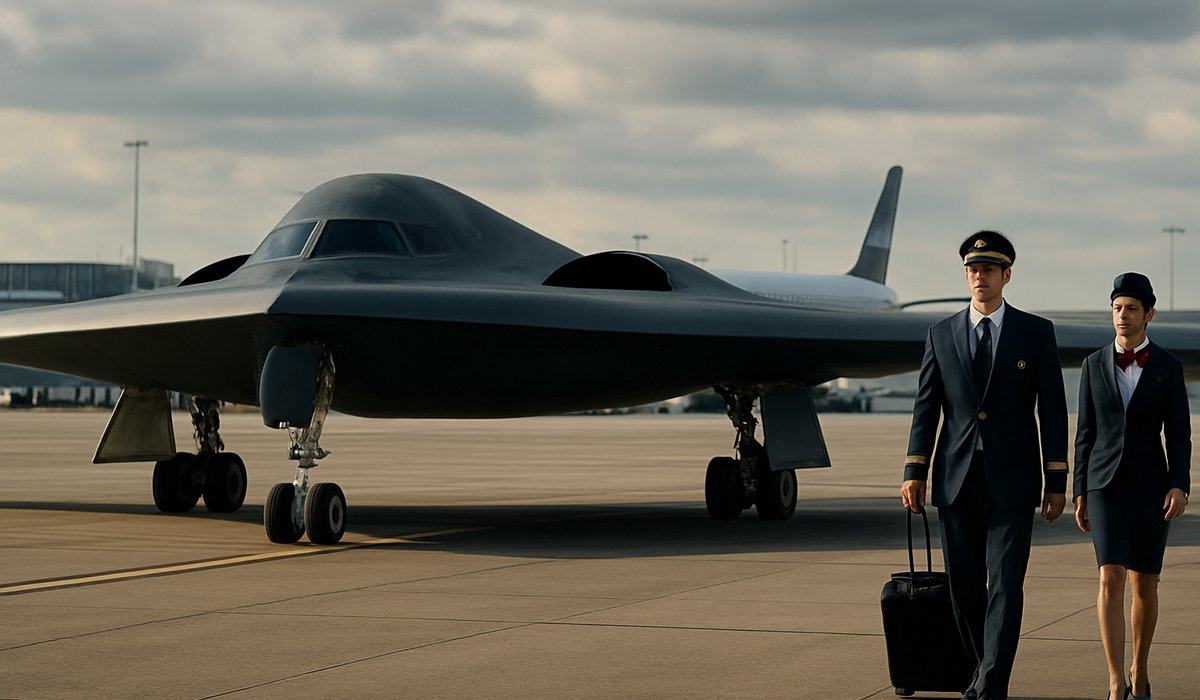
Image generated by AI
Advanced Stealth Technology Drives U.S. Air Force Transition From B-2 Spirit to Northrop Grumman B-21 Raider
Strategic modernization reflects evolving threat landscape and next-generation defense capabilities
Divergent Paths in Military Aviation Modernization
The United States Air Force is charting distinctly different courses for its aging strategic bomber fleet, with the legendary B-52 Stratofortress continuing its operational tenure while the B-2 Spirit faces eventual retirement. This bifurcated approach reflects fundamental differences in how these aircraft serve modern defense requirements and the escalating sophistication of global air defense systems.
The B-52, which has remained in service since the 1950s, continues to justify its operational role through a combination of practical advantages. The platform functions effectively as a high-capacity standoff weapons delivery system, maintaining substantial flight hours remaining before retirement becomes economically necessary. Its relatively modest operating costs and proven reliability make continued modernization financially prudent, ensuring the Air Force maintains a dependable cruise-missile platform for decades to come.
Strategic Imperative: Next-Generation Stealth Capability
The B-2 Spirit occupies an entirely different strategic position within the bomber arsenal. As a cutting-edge stealth penetration platform, this aircraft demands continuous technological superiority to penetrate adversary air defense networks effectively. This requirement fundamentally differs from the B-52's standoff capability.
The successor platform—Northrop Grumman's B-21 Raider—represents a generational leap designed specifically to address emerging threats. Adversarial nations have substantially advanced their air defense systems over recent decades, necessitating aircraft that maintain technological dominance in stealth, sensor evasion, and penetration capability.
Maintaining Air Superiority Through Innovation
Military aviation experts emphasize that penetration bombers require continuous technological advancement to remain effective. Unlike the B-52's standoff approach, which depends on range and payload capacity rather than stealth penetration, the B-2's successor must incorporate the latest advances in low-observable technology, artificial intelligence integration, and sensor countermeasures.
The B-21 Raider program reflects this strategic calculus, incorporating lessons learned from B-2 operations while implementing innovations addressing 21st-century air defense threats. This modernization strategy ensures the Air Force maintains penetration capability against increasingly sophisticated defense systems across multiple potential conflict theaters.
FAQ: Understanding Military Aviation Modernization
Why isn't the B-52 being replaced like the B-2? The B-52 functions as a standoff weapon delivery system, remaining effective through its range and payload capacity. Continued operation remains economically viable, whereas penetration bombers require cutting-edge stealth technology.
What makes the B-21 Raider different from the B-2 Spirit? The B-21 incorporates advanced stealth technology, modern sensor systems, and artificial intelligence integration designed to overcome evolved air defense capabilities unavailable when the B-2 was developed.
How often must stealth bomber technology be modernized? Stealth platforms require continuous technological advancement as adversaries develop counter-stealth detection systems, typically warranting major modernizations every 20-30 years.
Will the B-52 remain in service indefinitely? The B-52 has been repeatedly modernized and will likely continue serving through the 2040s, though eventual replacement remains inevitable as platforms age beyond economic viability.
Related Travel Guides
Flight Delay Compensation Guide 2026
Understanding Airline Route Changes
Airport Security Process Updated (2026)
External Resources
Disclaimer
This article is for informational and educational purposes only. It does not constitute legal, financial, or professional advice. While we strive to provide accurate and up-to-date information, travel policies, regulations, and conditions change rapidly. Always verify information with official sources before making travel decisions. Nomad Lawyer makes no representations about the accuracy, reliability, completeness, or suitability of the information provided. Readers should consult qualified professionals for advice specific to their circumstances. The views expressed in this article are those of the author and do not necessarily reflect the views of Nomad Lawyer.
Raushan Kumar
Founder & Lead Developer
Full-stack developer with 11+ years of experience and a passionate traveller. Raushan built Nomad Lawyer from the ground up with a vision to create the best travel and law experience on the web.
Learn more about our team →