
Boeing Self-Certifies 737 MAX Aircraft Under Restored FAA Delegation Program
Breaking airline news and aviation industry updates for 2026.

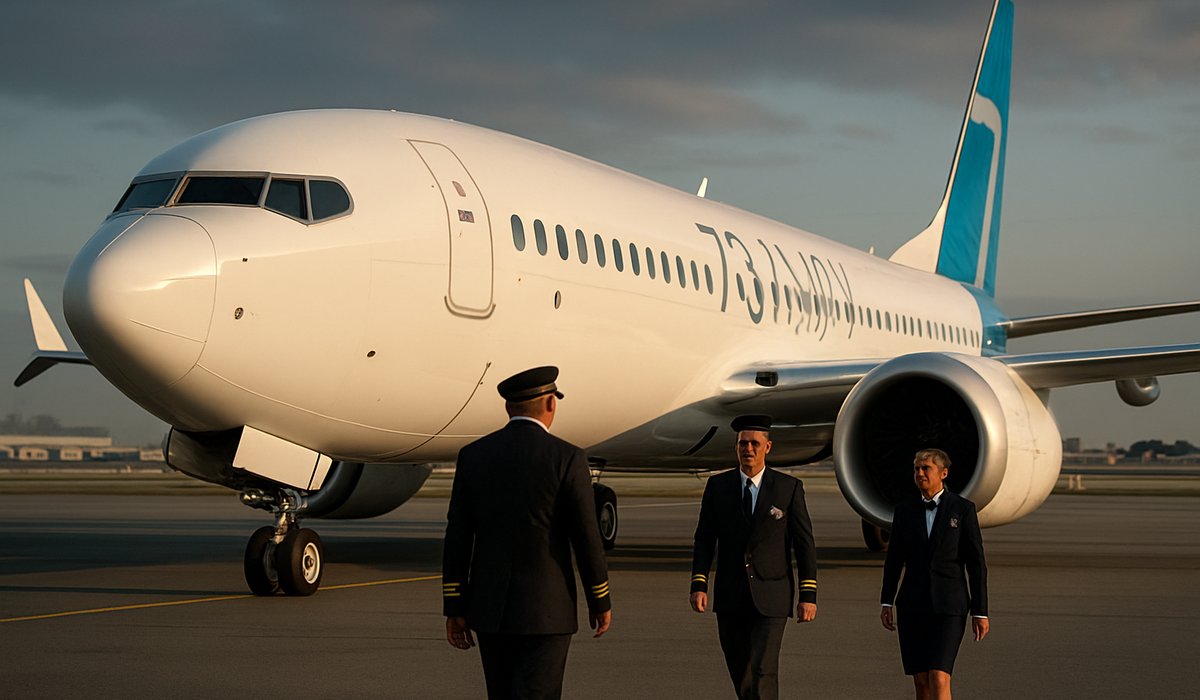
Image generated by AI
Boeing Self-Certifies 737 MAX Aircraft Under Restored FAA Delegation Program
The aircraft manufacturer now signs off on its own plane deliveries as regulatory oversight shifts dramatically in aerospace manufacturing
FAA Delegates Certification Authority to Boeing
In a significant regulatory shift, the Federal Aviation Administration has restored Boeing's authority to independently certify its own 737 MAX aircraft for airworthiness, marking a fundamental change in how the world's largest commercial aircraft manufacturer oversees quality control before delivery to airlines. Since September 2025, Boeing has been permitted to issue airworthiness certificates on alternating weeks under a restored Organization Delegation Authorization (ODA) agreement—a delegation that effectively transfers primary responsibility for aircraft sign-off from federal regulators to the manufacturer itself.
The restoration of this delegation authority comes despite persistent manufacturing deficiencies documented at Boeing's 737 MAX production facilities. Under the current arrangement, every newly assembled 737 MAX aircraft still receives an airworthiness certificate prior to customer delivery, yet that certification now originates from Boeing's own quality assurance division rather than direct FAA oversight.
The ODA Framework and Its Implications
The ODA system permits manufacturers to conduct their own certification activities under FAA supervision, a delegation model designed to streamline production while maintaining safety standards. However, this arrangement has drawn scrutiny given Boeing's recent track record of quality control lapses across its 737 MAX manufacturing operations—the very aircraft that faced a devastating grounding period following fatal crashes in 2018-2019.
Industry observers note the tension between regulatory efficiency and independent oversight. While the FAA maintains supervisory authority and conducts spot-checks and audits, the day-to-day certification responsibility now rests with Boeing personnel making weekly sign-offs on the aircraft destined for global airline fleets.
Broader Context in Aviation Manufacturing
This delegation reflects broader industry practices in commercial aviation, where larger manufacturers typically operate under ODA agreements. However, the timing and scope of Boeing's restored authority have sparked debate within aviation safety circles, particularly given recent quality concerns that have affected delivery schedules and customer confidence across the aerospace sector.
Airlines operating 737 MAX aircraft—including carriers relying on new deliveries to expand capacity and manage fuel efficiency amid volatile jet fuel prices—continue to accept these aircraft with confidence in both Boeing's certification processes and the FAA's oversight mechanisms, despite heightened public scrutiny of manufacturing standards.
Frequently Asked Questions
What is an ODA delegation in aviation manufacturing? An Organization Delegation Authorization allows aircraft manufacturers to conduct their own certification and quality assurance activities under FAA supervision, rather than having federal regulators sign off on every individual aircraft.
Why does Boeing need FAA approval if it self-certifies? The FAA maintains supervisory oversight, conducts periodic audits, and can revoke delegation authority. Manufacturers operate within defined parameters and must demonstrate compliance with safety regulations.
How often does the FAA inspect Boeing's 737 MAX production? While specific inspection frequencies vary, the FAA conducts regular audits and spot-checks of delegated manufacturers, though the frequency is significantly less than pre-delivery individual aircraft certification would entail.
Has Boeing's quality control improved since the 737 MAX grounding? Boeing has implemented manufacturing improvements, though recent documented deficiencies suggest ongoing challenges in maintaining consistent quality standards across production lines.
When will airlines receive their 737 MAX deliveries? Delivery timelines depend on individual aircraft order positions and current production rates, which have been affected by manufacturing reviews and quality assurance procedures.
Related Travel Guides
External Resources
Disclaimer
This article is for informational and educational purposes only. It does not constitute legal, financial, or professional advice. While we strive to provide accurate and up-to-date information, travel policies, regulations, and conditions change rapidly. Always verify information with official sources before making travel decisions. Nomad Lawyer makes no representations about the accuracy, reliability, completeness, or suitability of the information provided. Readers should consult qualified professionals for advice specific to their circumstances. The views expressed in this article are those of the author and do not necessarily reflect the views of Nomad Lawyer.
Preeti Gunjan
Contributor & Community Manager
A passionate traveller and community builder. Preeti helps grow the Nomad Lawyer community, fostering engagement and bringing the reader experience to life.
Learn more about our team →