
Solar Electric Yacht Helios 11 Completes Finland to Ibiza Voyage
Helios 11, a self-built 11-meter solar yacht, successfully sails over 5,700 km from Finland to Ibiza purely on sun power, pioneering low-cost eco-cruising.

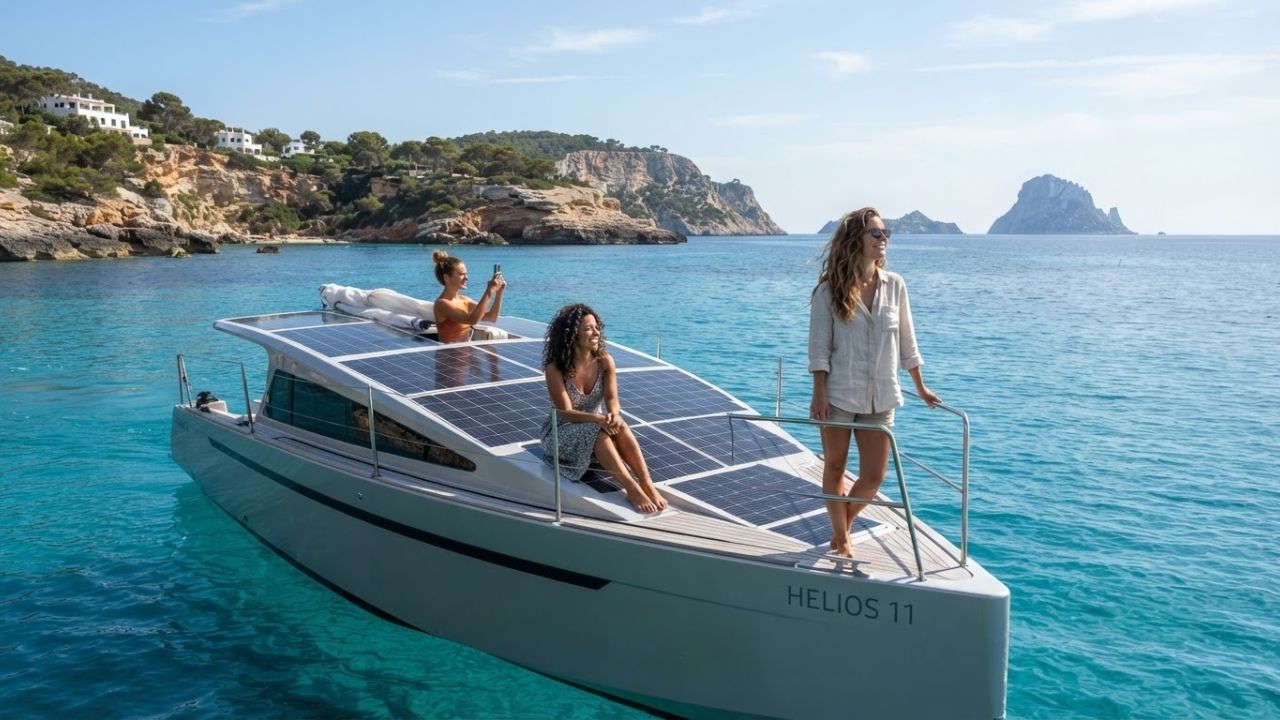
Image generated by AI
An eleven-metre self-built solar yacht named Helios 11 has successfully completed a historic 3,100 nautical mile journey from Finland to Ibiza purely on sun power. The fossil-fuel-free passage, covering more than 5,700 kilometres, demonstrates the commercial viability of low-cost, decentralized eco-cruising in delicate marine environments.
Technical Innovation in Solar Propulsion and Hybrid Yacht Design
The travel sector in Europe is experiencing a transition as planners build regional destinations to diversify visitor experiences. In August 2026, the successful voyage of Helios 11 is offering travelers a sustainable option that avoids fossil fuel reliance on long-distance maritime corridors.
By establishing these seasonal travel corridors, the airline's management aims to support both business and leisure travel flows. Corporate travelers and travel agencies, which maintain strong relationships with global destination management organizations, benefit from direct seat capacity. This economic integration supports the travel sector, providing service providers with a reliable channel for high-value bookings.
By establishing these seasonal travel corridors, the airline's management aims to support both business and leisure travel flows. Canadian corporate travelers and travel agencies, which maintain strong relationships with European and Asian destination management organizations, would benefit from direct seat capacity. This economic integration supports the travel sector, providing service providers with a reliable channel for high-value bookings.
By establishing these seasonal travel corridors, the airline's management aims to support both business and leisure travel flows. Canadian corporate travelers and travel agencies, which maintain strong relationships with European and Asian destination management organizations, would benefit from direct seat capacity. This economic integration supports the travel sector, providing service providers with a reliable channel for high-value bookings.
By establishing these seasonal travel corridors, the airline's management aims to support both business and leisure travel flows. Canadian corporate travelers and travel agencies, which maintain strong relationships with European and Asian destination management organizations, would benefit from direct seat capacity. This economic integration supports the travel sector, providing service providers with a reliable channel for high-value bookings.
By establishing these seasonal travel corridors, the airline's management aims to support both business and leisure travel flows. Canadian corporate travelers and travel agencies, which maintain strong relationships with European and Asian destination management organizations, would benefit from direct seat capacity. This economic integration supports the travel sector, providing service providers with a reliable channel for high-value bookings.
By establishing these seasonal travel corridors, the airline's management aims to support both business and leisure travel flows. Canadian corporate travelers and travel agencies, which maintain strong relationships with European and Asian destination management organizations, would benefit from direct seat capacity. This economic integration supports the travel sector, providing service providers with a reliable channel for high-value bookings.
The eleven-metre vessel completed a voyage spanning over 3,100 nautical miles, equivalent to more than 5,700 kilometres.
Designed with a lightweight body and shallow draft, the craft combines solar panels, electric drives, and battery charging, with an auxiliary sail for kinetic support. This allows the yacht to navigate shallow inlets, expanding access to secluded coastal destinations that remain inaccessible to standard heavy-draft motorboats.
Democratic Eco-Cruising: The $20,000 Self-Built Model
Building lightweight solar vessels reduces capital requirements for independent tour operators and local guides.
This localized disruption also offers a unique opportunity for duty-free retailers and terminal operators to design services suited for stranded passengers. By monitoring passenger comfort levels during long delays, airport customer teams can provide complimentary amenities to ensure guest satisfaction. This proactive approach helps build traveler confidence, ensuring that regional transit routes remain competitive with global hub standards.
This localized disruption also offers a unique opportunity for duty-free retailers and terminal operators to design services suited for stranded passengers. By monitoring passenger comfort levels during long delays, airport customer teams can provide complimentary amenities to ensure guest satisfaction. This proactive approach helps build traveler confidence, ensuring that regional transit routes remain competitive with global hub standards.
The Helios 11 was hand-built in a small workshop using off-the-shelf components.
The build utilizes standard solar panels, fiberglass, marine-grade plywood, and modular electric motors, keeping construction costs near $20,000. This low-cost model allows regional operators to offer affordable eco-excursions, ensuring that economic benefits remain within coastal communities.
Real-Time Energy Management and Predictive Routing
Navigating long distances without fossil fuels requires balancing energy consumption against generation.
This environmental focus is supported by regional climatologists and conservationists who monitor ecosystem health. By tracking tourist footprint signals, managers can ensure that natural areas remain protected. The integration of carrying-capacity policies with wilderness trails demonstrates how tourism planning can protect biodiversity while offering high-quality educational hikes.
This localized culinary focus also offers a unique opportunity for restaurant associations and culinary schools to design programs suited for premium travelers. By monitoring traveler culinary preferences during long stays, local chefs can provide customized dishes to ensure guest satisfaction. This proactive approach helps build traveler confidence, ensuring that Goan coastal dining remains competitive with global culinary standards.
This localized culinary focus also offers a unique opportunity for restaurant associations and culinary schools to design programs suited for premium travelers. By monitoring traveler culinary preferences during long stays, local chefs can provide customized dishes to ensure guest satisfaction. This proactive approach helps build traveler confidence, ensuring that Goan coastal dining remains competitive with global culinary standards.
Sailors utilize cloud-connected sensors and predictive software to monitor battery states.
This data-driven navigation allows travelers to adjust itineraries to natural sunlight and wind patterns, enhancing safety when exploring remote marine sanctuaries.
Environmental Value: Diminishing Underwater Noise and Emissions
Solar-electric propulsion protects fragile coastal ecosystems from oil leaks and exhaust fumes.
For the visitor, the real impact is cruising without leaving a carbon footprint, ensuring that underwater noise is minimized to protect marine life.
Sustainable initiatives include backing local conservation efforts, promoting low-impact excursions, and using renewable energy networks at ports.
Visitor Guide: Local Specialties, Sustainable Navigation, and Safety Rules
Exploring Ibiza's coastal waters and planning long-distance voyages involves complying with marine rules, arranging local transport, and trying regional delicacies.
Sample traditional culinary specialties during your stay. Savor Bullit de Peix, a traditional Ibiza fish stew served with rice cooked in rich broth. Try Flaó, a sweet local pastry filled with cheese and mint, paired with fresh local olives.
Coordinate your local transport. Arrive at Ibiza Airport (IBZ), and take municipal bus Route 10 to the city center or local ferries to access quiet northern coves like Portinatx. Explore delicate inlets using paddleboards or kayaks.
Observe marine safety and conservation guidelines. Anchoring in protected Posidonia seagrass meadows is strictly prohibited. Check regional weather forecasts daily, carry auxiliary sails, and filter bilge water before discharge. Passports must have at least 6 months of validity.
Future Outlook: Rebuilding a Resilient Low-Carbon Maritime Corridor
The long-term development of regional tourism depends on integrating transport corridors with regional planning. Port authorities and environmental boards are collaborating to support regional travel pipelines.
Sustainable initiatives include building low-emission shuttle links, promoting eco-friendly guesthouses, and introducing cultural heritage guides. By combining smart visitor management with traditional agricultural preservation, the region aims to support travel innovation, securing a resilient and connected future for Central Europe's mountain communities.
Related Travel Guides
Disclaimer
This article is for informational and educational purposes only. It does not constitute legal, financial, or professional advice. While we strive to provide accurate and up-to-date information, travel policies, regulations, and conditions change rapidly. Always verify information with official sources before making travel decisions. Nomad Lawyer makes no representations about the accuracy, reliability, completeness, or suitability of the information provided. Readers should consult qualified professionals for advice specific to their circumstances. The views expressed in this article are those of the author and do not necessarily reflect the views of Nomad Lawyer.
Naina Thakur
Contributor & Travel Specialist
Travel enthusiast and legal writer covering visa regulations, responsible tourism, and cultural journeys across global destinations.
Learn more about our team →