
New Ebola Travel Restrictions 2026: US Entry Bans and CDC Rules for Central Africa Visitors
New emergency travel rules and US entry restrictions are now in effect for visitors to the Democratic Republic of the Congo, Uganda, and South Sudan due to a Bundibugyo virus outbreak.

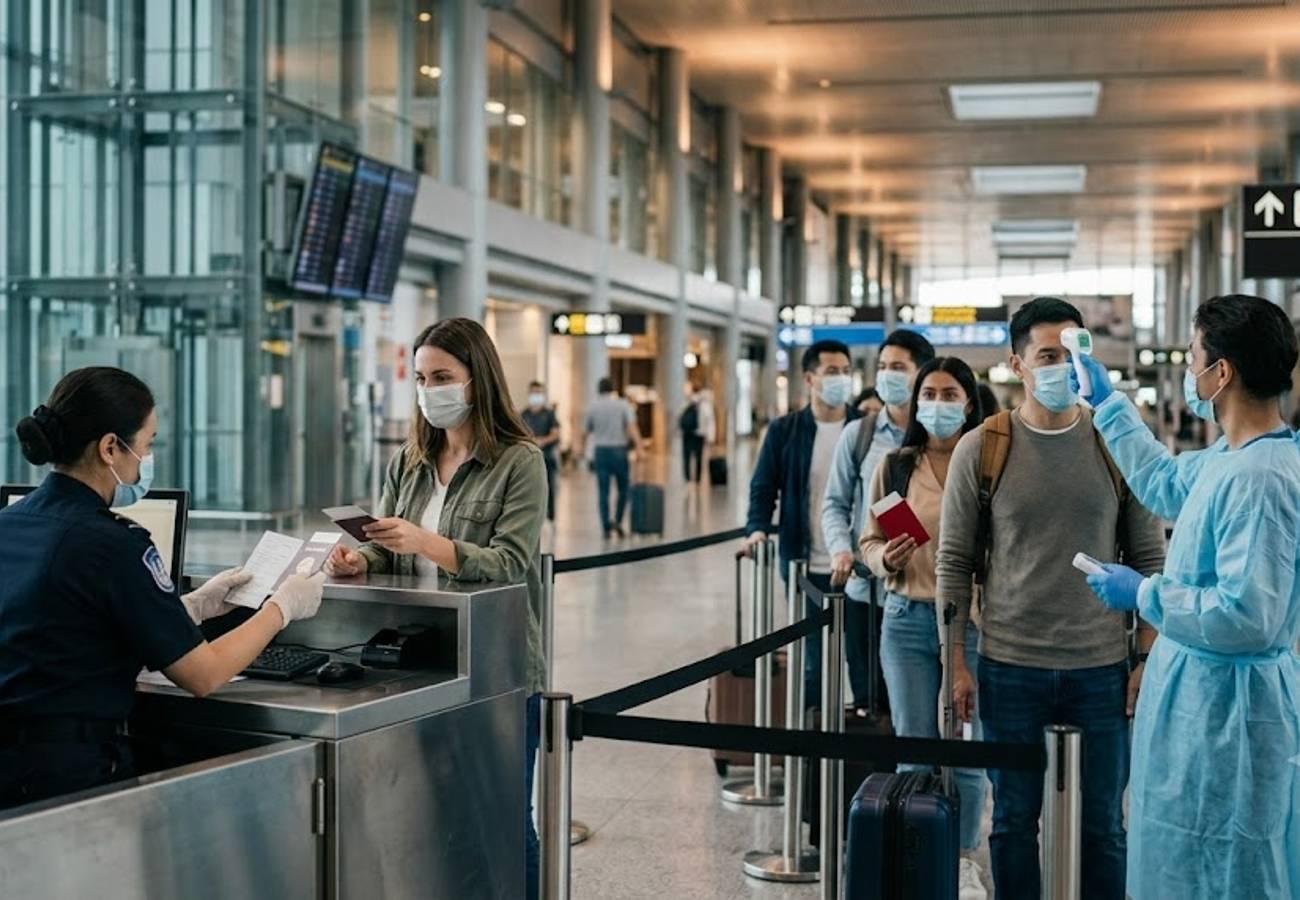
Image generated by AI
Non-U.S. citizens who have visited the Democratic Republic of the Congo, Uganda, or South Sudan within the last 21 days now face temporary entry bans into the United States as health agencies scramble to contain a massive Bundibugyo virus outbreak.
The current epidemiological crisis in Central Africa has triggered a shift in international border management. As the Bundibugyo virus spreads, health organizations are revising risk assessments and implementing stricter entry conditions for those transiting through or arriving from affected zones. These measures are designed to prevent the importation of the virus into global hubs, though they create significant logistical hurdles for international travelers and expatriates.
Bundibugyo Virus Outbreak Shifts Global Risk Profiles
The epicenter of the current health emergency is located in the Democratic Republic of the Congo (DRC), where an unprecedented surge of Bundibugyo virus disease has been recorded. Industry reports indicate that the outbreak has expanded into neighboring Uganda and South Sudan, resulting in thousands of confirmed cases and a steadily climbing death toll. This event is now recognized as one of the most severe Ebola-related emergencies to hit the region in recent years.
The World Health Organization (WHO) has officially designated the epidemic in the DRC and Uganda as a public health emergency of international concern. Under the International Health Regulations, this legal status grants the WHO the authority to issue temporary recommendations regarding border controls and travel protocols. Consequently, new technical directives have been released to guide nations on the management of passengers arriving from or transiting through these high-risk areas.
Despite the alarming statistics, the WHO maintains that the overall risk to the general international traveling public remains low, provided that strict infection-prevention protocols are followed. Data suggests that transmission during commercial flights is rare. Instead, the primary drivers of infection are close contact within households, contaminated health facilities, or attendance at unsafe burial rituals.
To mitigate these risks, the WHO is urging affected states to intensify exit screenings at ports of departure and provide transparent health information to all travelers. These global assessments provide the framework for the more aggressive national entry policies currently being adopted by various governments.
CDC Implements Strict U.S. Entry Bans for Ebola Zones
The United States has adopted some of the most rigorous measures in response to the 2026 outbreak. Current orders from the Centers for Disease Control and Prevention (CDC) stipulate that certain non-U.S. citizens who have been present in South Sudan, Uganda, or the Democratic Republic of the Congo within the previous 21 days are temporarily prohibited from entering the U.S.
This emergency order specifically targets non-U.S. nationals and certain non-citizens, including some lawful permanent residents, who meet specific travel-history and exposure criteria. The CDC has framed this as a time-limited intervention intended to block the entry of individuals who may be incubating the virus—a period during which they are not yet symptomatic but could potentially introduce the pathogen into U.S. communities.
At designated U.S. ports of entry, layered screening controls are now operational. Travelers arriving from the affected region are subjected to rigorous assessments for symptoms and potential exposure. According to CDC protocols, these initial screenings are integrated into a broader monitoring system managed by state and local health departments. High-risk individuals may be required to adhere to movement restrictions or undergo enhanced health checks throughout the 21-day incubation window.
For the modern traveler, this means that any itinerary including the DRC, Uganda, or South Sudan could jeopardize subsequent entry into the United States. Those planning multi-destination trips must now account for these restrictions, potentially necessitating the rerouting of flights or the postponement of travel until the emergency orders are lifted.
Health Screening and Mandatory Self-Reporting Protocols
For those who are permitted entry, the focus has shifted toward intensive health monitoring. CDC travel advisories indicate that arrivals from outbreak zones are screened for clinical signs of Ebola, including fever, unexplained bleeding, vomiting, and extreme fatigue. Travelers are also questioned regarding their contact with ill individuals or their participation in traditional burial rites.
Public health guidance now categorizes travelers based on their level of exposure:
- Low-Risk Travelers: Generally advised to self-monitor for symptoms and report any changes in health immediately.
- High-Risk Travelers: May be required to maintain daily communication with health officials and limit their activities for 21 days following their departure from the affected zone.
Health authorities emphasize that any traveler developing symptoms after leaving an outbreak area must contact local medical services via telephone before visiting a clinic or emergency room. This pre-notification is vital to ensure the patient is routed to a specialized facility, preventing the accidental exposure of other patients and staff in public waiting areas.
Furthermore, industry observers suggest that expatriates and business travelers should reconsider non-essential trips or complex cruise itineraries in the region. The volatility of border measures and the potential for sudden quarantine mandates make such travel high-risk from a logistical and legal standpoint.
WHO Guidance on the Efficacy of Travel Bans
While the U.S. and other nations have tightened their borders, the WHO continues to advise against the implementation of blanket international travel or trade bans. Technical assessments suggest that overly broad restrictions often backfire by disrupting the delivery of critical medical supplies and hindering the movement of humanitarian personnel. Moreover, such bans can drive travelers toward informal, unmonitored border crossings, which increases the difficulty of tracking the virus.
Instead of total bans, the WHO advocates for targeted interventions. This includes:
- Exit Screenings: Implementing fever checks and health questionnaires at major airports and land borders within affected states.
- Referral Systems: Establishing clear pathways for travelers who appear unwell to receive immediate care.
- Information Dissemination: Ensuring travelers are aware of local vaccination policies and the locations of isolation-capable hospitals.
For the passenger, this means that while most commercial flight paths remain open, the travel experience will involve increased bureaucracy, longer wait times for health clearances, and the possibility of sudden boarding changes based on airline-specific health policies.
Strategic Planning for High-Risk Destinations
Given the current climate, travel planning for Central Africa requires a level of diligence far beyond standard precautions. Prospective visitors must verify the latest notices from foreign ministries and national health agencies, specifically looking for rules tied to the 21-day exposure window.
Experts recommend that those who must travel to these regions incorporate significant flexibility into their plans. This includes booking refundable tickets and allowing for extended connection times to accommodate health screenings. From a logistical perspective, it is advised to carry direct contact information for local health authorities and ensure that travel insurance explicitly covers emergency medical evacuation.
Preventative hygiene remains the most effective defense. Travelers are urged to avoid all direct contact with blood or bodily fluids and to steer clear of burial ceremonies that do not adhere to strict infection-control protocols. Consistent hand hygiene and adherence to local prophylaxis recommendations are essential for those operating in these zones.
Travelers are reminded that health regulations in 2026 are subject to change without notice as the Bundibugyo outbreak evolves.
Related Travel Guides
Disclaimer
This article is for informational and educational purposes only. It does not constitute legal, financial, or professional advice. While we strive to provide accurate and up-to-date information, travel policies, regulations, and conditions change rapidly. Always verify information with official sources before making travel decisions. Nomad Lawyer makes no representations about the accuracy, reliability, completeness, or suitability of the information provided. Readers should consult qualified professionals for advice specific to their circumstances. The views expressed in this article are those of the author and do not necessarily reflect the views of Nomad Lawyer.
Raushan Kumar
Founder & Lead Developer
Full-stack developer with 11+ years of experience and a passionate traveller. Raushan built Nomad Lawyer from the ground up with a vision to create the best travel and law experience on the web.
Learn more about our team →