
Hong Kong Hits 13.7M Visitors in 2026: Tourism Revival Accelerates
Hong Kong hits 13.7 million visitor arrivals in early 2026, signaling a robust tourism revival across Asia's premier destination. The milestone echoes pre-pandemic strength and forecasts over 50 million annual visitors.

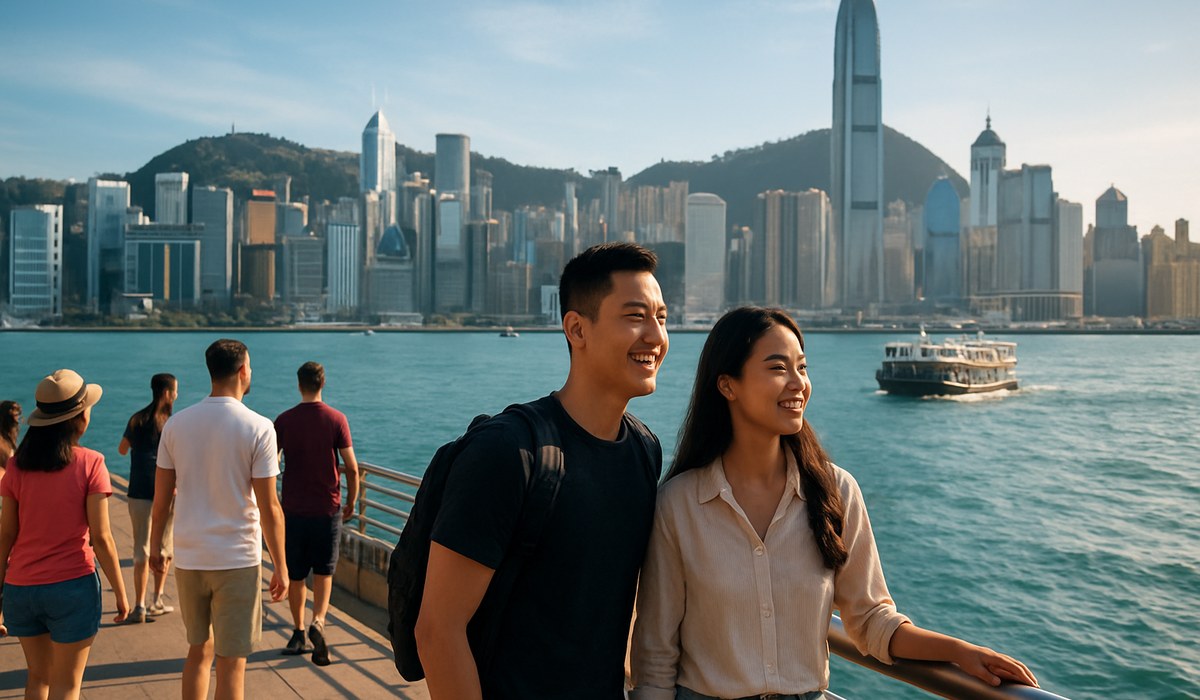
Image generated by AI
Hong Kong has recorded 13.7 million visitor arrivals during the opening months of 2026, marking a watershed moment for the Asia-Pacific region's most vibrant urban destination. This figure mirrors a symbolic benchmark from 2004, signaling that the city has transitioned from pandemic recovery into sustained, structural growth. The tourism revival reflects expanded air routes, streamlined cross-border policies, and a shift toward experience-driven travel that benefits neighborhoods beyond traditional retail zones.
Visitor Arrivals Surge Ahead of Forecasts
Hong Kong's 13.7 million visitors in early 2026 represents a steep acceleration beyond projections made just 12 months earlier. The Hong Kong Tourism Board data confirms that the first two months alone drew close to 10 million arrivals, outpacing 2025 performance and setting conditions for annual totals exceeding 50 million if current momentum persists. This pace signals genuine demand recovery rather than temporary rebounds. Analysts attribute the surge to three factors: resumed direct flights from North America, Europe, and Australia through Hong Kong International Airport; normalized cross-border travel with mainland China through the Individual Visit Scheme expansion; and renewed marketing campaigns targeting long-haul markets. The 13.7 million threshold carries historical weight—the last time Hong Kong crossed this annual benchmark was in 2004, a year that sparked a decade-long tourism boom. Industry observers note that the current trajectory is steeper than comparable recovery periods, indicating structural shifts in traveler behavior rather than cyclical rebounds. Hong Kong Tourism Board officials expect sustained growth through 2026 if airline capacity continues expanding.
Changing Visitor Profiles Reshape Spending Patterns
The composition of Hong Kong's million-plus monthly arrivals has shifted dramatically since 2025. While mainland Chinese visitors still comprise the majority, growth among European and North American travelers has accelerated, driven by restored direct flights and targeted destination marketing. A critical trend emerging across 2026 involves a move from volume-based to value-focused tourism models. Travelers increasingly seek immersive cultural experiences, waterfront activities, and dining in emerging neighborhoods rather than concentrated shopping in Central or Mong Kok. Hotel occupancy data shows mixed rate impacts: cost-conscious regional visitors moderate average daily rates, while high-spending international guests and business travelers stabilize overall revenue. This visitor diversity benefits small and medium enterprises in creative industries, local gastronomy, and heritage tourism sectors. Lonely Planet's Hong Kong guide highlights emerging neighborhoods like Wong Tai Sin and Sham Shui Po as increasingly popular with experiential travelers. The shift reflects post-pandemic traveler priorities—authenticity, community engagement, and personalized stays—rather than transactional shopping tourism. Hotels in areas like Causeway Bay are adapting service offerings to capture higher yields from longer-stay international visitors.
Infrastructure and Cross-Border Connectivity Drive Recovery
Hong Kong's ability to attract 13.7 million visitors hinges on improved infrastructure and frictionless cross-border travel. The Hong Kong Tourism Board has championed Individual Visit Scheme expansion into 30 additional mainland cities, while multiple-entry permits for Shenzhen residents restore steady flows of day-trippers and weekend visitors. New high-speed rail connections via West Kowloon and sleeper train services from Guangzhou and Shanghai eliminate traditional friction points, allowing families and business travelers seamless entry. Hong Kong International Airport has gradually restored pre-2020 flight capacity, with carriers including Cathay Pacific, Singapore Airlines, and United Airlines resuming or expanding routes. This connectivity is essential—the airport handles over 100 destinations globally, positioning Hong Kong as the gateway for travelers routing through Asia. Simultaneous infrastructure investments in harbourfront revitalization, transport interchange upgrades, and historic district preservation enhance visitor experiences beyond airport and harbor entry points. Lunar New Year 2026 events—including harbor parades, light installations, and cultural festivals—attracted early-year visitors and generated positive media coverage across long-haul markets. Policy support for conferences and exhibitions further attracts high-yield business visitors who extend leisure stays.
Economic Multiplier Effect Across Hospitality and Retail
The 13.7 million visitor milestone translates into tangible economic stimulus across Hong Kong's hospitality, retail, and service sectors. Hotels in Central, Causeway Bay, and Tsim Sha Tsui report improving occupancy rates as international guest profiles diversify beyond traditional mainland Chinese travelers. Restaurant and café operators in emerging neighborhoods—Sham Shui Po, Mong Kok, and Wong Tai Sin—report double-digit year-on-year revenue increases as visitors seek neighborhood-focused dining experiences. Retail sectors are adapting: luxury brands maintain flagship positions in prime districts, while mid-market and local retailers expand in secondary locations where international visitors increasingly spend. Tourism-related employment in hotels, retail, food service, and transportation shows measurable gains. The Hong Kong Tourism Board projects that sustained growth through 2026 will support hiring across hospitality management, tour guiding, and cultural interpretation roles. Business tourism drives additional spending through meetings, conferences, and incentive travel—segments offering higher per-visitor yields than leisure travel alone. This economic diversification—moving beyond pure shopping tourism—creates more resilient employment pathways and supports small business ecosystems.
Best Time to Visit Hong Kong in 2026
The period from October through March offers ideal visiting conditions, with temperatures ranging from 15–25°C and lower humidity than summer months. March 2026 specifically benefits from post-Lunar New Year festive energy combined with spring weather and outdoor activities. However, early 2026's strong visitor arrivals indicate popularity across all seasons, so early booking and flexible travel dates improve accommodation options. May through September brings heat and occasional typhoons, deterring some international visitors but attracting domestic and regional travelers seeking cultural attractions and indoor dining experiences. The Hong Kong Tourism Board now publishes seasonal crowd calendars to help travelers choose optimal visit windows based on interests—cultural festivals favor spring and autumn, while summer suits adventure activities and water sports. Planning 6–8 weeks in advance during high seasons (Chinese New Year, summer, and Christmas holidays) ensures hotel availability and competitive flight pricing.
How to Get There
International Access: Hong Kong International Airport (HKG) connects to over 200 cities globally. Major carriers serving North America include Cathay Pacific, United Airlines, and American Airlines, with typical flight times of 15–18 hours from the US West Coast. From Europe, flights via Abu Dhabi (Etihad) and Doha (Qatar Airways) require 13–16 hours. From Australia, direct flights to HKG take 8–10 hours.
Regional Connectivity: High-speed rail from Guangzhou and Shenzhen (via West Kowloon Station) takes 30 minutes to 2 hours, with frequent daily departures. Ferry services from Macau operate multiple daily sailings. Trains from mainland cities like Beijing and Shanghai connect through enhanced sleeper services restored in 2025.
Visa Requirements: Most nationalities receive 180-day visa-free entry or on-arrival tourist visas. The Hong Kong Tourism Board website provides current requirements updated for 2026 policy changes.
Practical Transportation: The Octopus card system covers all public transport (MTR, buses, ferries, trams). Airport Express trains depart every 10–12 minutes, reaching Central in 24 minutes. Taxis and ride-sharing apps operate 24/7 across all districts.
Tourism Milestone Data: Hong Kong 2026 Revival
| Metric | 2026 Figure | Trend | Context |
|---|---|---|---|
| Early-year visitor arrivals (Q1) | 13.7 million | ↑ Exceeds 2025 | Mirrors 2004 benchmark |
| First two months (Jan–Feb |
Disclaimer
This article is for informational and educational purposes only. It does not constitute legal, financial, or professional advice. While we strive to provide accurate and up-to-date information, travel policies, regulations, and conditions change rapidly. Always verify information with official sources before making travel decisions. Nomad Lawyer makes no representations about the accuracy, reliability, completeness, or suitability of the information provided. Readers should consult qualified professionals for advice specific to their circumstances. The views expressed in this article are those of the author and do not necessarily reflect the views of Nomad Lawyer.
Kunal K Choudhary
Co-Founder & Contributor
A passionate traveller and tech enthusiast. Kunal contributes to the vision and growth of Nomad Lawyer, bringing fresh perspectives and driving the community forward.
Learn more about our team →