
Cap-Haïtien Leads Haiti Tourism Revival with Citadelle Heritage in 2026

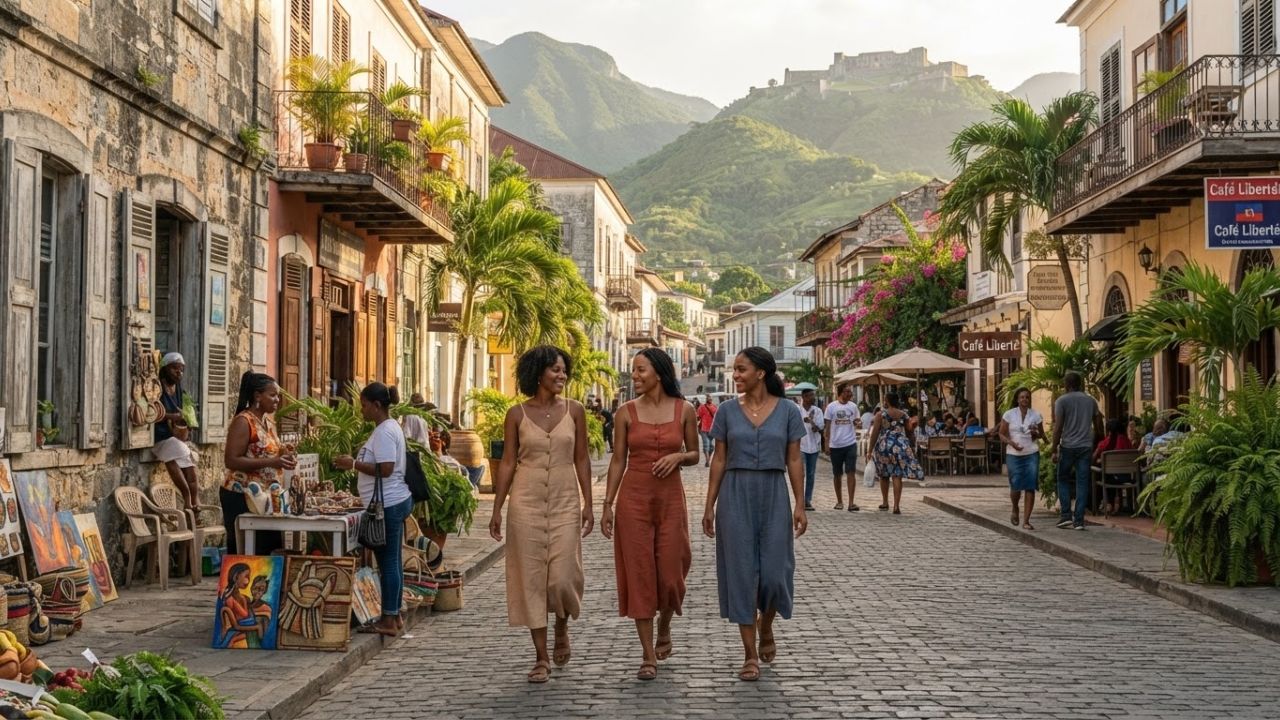
Haiti is decisively decentralizing its tourism model northward around historic Cap-Haïtien in 2026, investing in airport modernizations, community markets, and UNESCO World Heritage circuits to unlock direct economic opportunities away from Port-au-Prince.
Under the leadership of Minister of Tourism Stéphanie Smith, the northern corridor has emerged as the linchpin of the nation’s cultural tourism restructuring. Following high-level inspections across the North and Grand South regions in April 2026, the government is linking the fortress walls of the Citadelle Laferrière, sacred ancestral lakou communities, and Cap-Haïtien International Airport into an integrated, self-sustaining regional tourism economy tailored for international heritage seekers and the global Haitian diaspora.
The Local Trend Revealed: The Northern Cultural Corridor
For decades, international leisure travel to Haiti was funneled almost exclusively through the capital of Port-au-Prince or sequestered behind isolated resort enclaves. The current regional strategy fundamentally alters that dynamic by establishing Cap-Haïtien—affectionately known as Okap—as an autonomous travel gateway.
Situated on the Atlantic northern coast, Cap-Haïtien preserves the nation's richest concentration of French colonial architecture, revolutionary monuments, and living afro-indigenous traditions. Rather than relying on multi-day domestic transfers across complex transit arteries, visitors can now fly directly into Cap-Haïtien International Airport (CAP) from international hubs like Miami and Fort Lauderdale.
| Tourism Pillar | Strategic Project Scope | Direct Community & Visitor Benefit |
|---|---|---|
| Airport Infrastructure | Cap-Haïtien International Airport (CAP) Modernization | Streamlined arrival processing bypassing Port-au-Prince transit |
| Artisan Commerce | Rehabilitation of Marché du Tourisme du Nord | Dedicated artisan market for northern wood carvers and weavers |
| UNESCO Monument Access | Citadelle Laferrière & Sans-Souci Palace Circuits | Managed walking routes supporting local guides and horse handlers |
| Living Cultural Heritage | Sacred Lakou Circuits (Souvenance, Soukri, Badjo) | Respectful cultural exchanges and community pilgrimage access |
The Ministry of Tourism’s modernization program centers on three interconnected physical investments: rehabilitating the Marché du Tourisme du Nord to provide local artisans with direct retail visibility, upgrading terminal services at Cap-Haïtien International Airport, and standardizing heritage excursion routes through Milot. This framework allows tourism dollars to circulate directly among local guesthouse operators, culinary stalls, and independent drivers.
Cultural and Environmental Value: Monuments of Human Emancipation
For the traveler, exploring northern Haiti provides a transformative encounter with history that transcends standard Caribbean beach holidays. Here, heritage sites represent monuments to human freedom and the birth of the world’s first independent Black republic:
- The Citadelle Laferrière: Perched 900 meters atop the Bonnet à l'Évêque mountain in Milot, this early 19th-century stone fortress is the largest fortress in the Americas. Built by King Henri Christophe to defend against potential French invasions, it houses hundreds of historic bronze cannons and immense stockpiles of cannonballs, framed by panoramic vistas of the Atlantic ocean.
- The Royal Palace of Sans-Souci: At the base of the mountain in Milot, the grand ruins of Sans-Souci showcase neoclassical arches, grand staircases, and royal gardens that once served as the administrative heart of Christophe’s kingdom.
- Living Heritage at Sacred Lakou Sites: Beyond stone architecture, the Ministry of Tourism is integrating historic lakou communities—including Souvenance, Soukri, Badjo, and Bassin Saint-Jacques—into responsible cultural itineraries. These communal spaces preserve unbroken ancestral drumming traditions, spiritual philosophy, and herbal medicine, offering profound learning opportunities during annual patron-saint festivities.
Community and Eco-Focus: Sustainable Decentralization
Protecting the cultural authenticity and ecological surroundings of the National History Park—Citadel, Sans-Souci, Ramiers (PNH-CSSR) requires strict community collaboration. Managed alongside the Institut de Sauvegarde du Patrimoine National (ISPAN), tourism development emphasizes minimal environmental impact across the mountainous terrain.
Conscious visitors contribute to sustainable preservation through focused practices:
- Hiring Local Horse Handlers and Guides in Milot: The steep uphill path to the Citadelle provides livelihood for hundreds of local equestrians and certified youth guides from the Milot community; paying fair wages directly supports rural family households.
- Empowering the Marché du Tourisme du Nord: Purchasing northern art, ironwork, and hand-embroidered textiles at the refurbished market channels revenue directly to local creators rather than offshore middlemen.
- Preserving Sacred Spring Watersheds: When visiting spiritual natural sites like Bassin Saint-Jacques, travelers follow strict community codes, avoiding synthetic contaminants in natural springs and respecting sacred trees (poteau mitan).
Visitor Insider Tips for Cap-Haïtien and the North
Navigating Cap-Haïtien smoothly requires local cultural awareness, practical packing, and route planning:
- Ideal Visiting Windows:
- Dry Winter Months (November to March): Delivers cooler, low-humidity days with minimal rainfall, ideal for hiking to the Citadelle and wandering Cap-Haïtien’s historic downtown streets.
- Festive Summer Pilgrimages (July): Cultural travelers can witness the vibrant patron-saint festivals (fêtes patronales) in northern towns, celebrated with community feasts, traditional Rara processions, and cultural gatherings.
- Arrival and Gateway Logistics: Book direct international flights into Cap-Haïtien International Airport (CAP) from South Florida. Taxis and pre-arranged private drivers are available outside the terminal to transfer guests to seaside hotels along Boulevard du Cap or into central historic quarters within fifteen minutes.
- Etiquette at Sacred Lakous & Villages: When visiting historic lakous such as Souvenance or Badjo, wear modest white or neutral clothing. Always request permission from local elders (Oungan or Manbo) before capturing photographs or video, particularly during sacred ceremonies.
- Culinary Specialties You Must Savor:
- Diri ak Djon Djon: Fragrant rice colored and flavored with native black mushrooms (djon djon), tossed with tender lima beans and sweet peas, often served alongside crispy plantains.
- Griot ak Pikliz: Seasoned, tender chunks of pork marinated in sour orange and spices, fried until golden and served with fiery pikliz (shredded cabbage, carrots, and Scotch bonnet peppers pickled in spiced cane vinegar).
- Northern Kassav: Visit a rural kassavri to sample warm cassava flatbread baked over wood fires, spread with spicy peanut butter (manba) or sweet shredded coconut.
- Hidden Sanctuaries in the North:
- Vertières Memorial: Located on the southern edge of Cap-Haïtien, this open-air monument marks the site of the decisive 1803 Battle of Vertières, where indigenous forces secured final victory over colonial armies.
- Cormier Plage: A tranquil, tree-lined fishing beach northwest of the city where travelers can dine on freshly grilled lobster under almond trees, away from urban traffic.
Tourism Outlook
The northern focus spearheaded by the Ministry of Tourism marks a strategic turning point for Haiti’s travel economy. By centering investments on Cap-Haïtien’s international airport, the artisans of the Marché du Tourisme du Nord, and the timeless stone architecture of the Citadelle Laferrière, the country is crafting a sustainable, regionally diversified blueprint.
Supported by a passionate global diaspora and culturally curious international voyagers seeking genuine historic immersion, Cap-Haïtien proves that heritage preservation and community-led tourism can light the path toward long-term regional revitalization throughout 2026 and beyond.
Related Travel Guides
Aruba Tourism Surges in Fall 2026 Beyond the Hurricane Belt
Jamaica Tourism and Saudi Fund Partnership Drives Infrastructure Recovery
10 Best Historic Landmarks and Cultural Sites in Cap-Haïtien According to Reddit
Disclaimer
This article is for informational and educational purposes only. It does not constitute legal, financial, or professional advice. While we strive to provide accurate and up-to-date information, travel policies, regulations, and conditions change rapidly. Always verify information with official sources before making travel decisions. Nomad Lawyer makes no representations about the accuracy, reliability, completeness, or suitability of the information provided. Readers should consult qualified professionals for advice specific to their circumstances. The views expressed in this article are those of the author and do not necessarily reflect the views of Nomad Lawyer.
Raushan Kumar
Founder & Lead Developer
Full-stack developer with 11+ years of experience and a passionate traveller. Raushan built Nomad Lawyer from the ground up with a vision to create the best travel and law experience on the web.
Learn more about our team →