
Gujarat Railway Expansion Links Vadnagar and Katra Pilgrimage Sites
Indian Railways is extending the Lokshakti Express to Vadnagar and the Sabarmati-Jammu Tawi Express to Katra to improve connectivity in northern Gujarat.

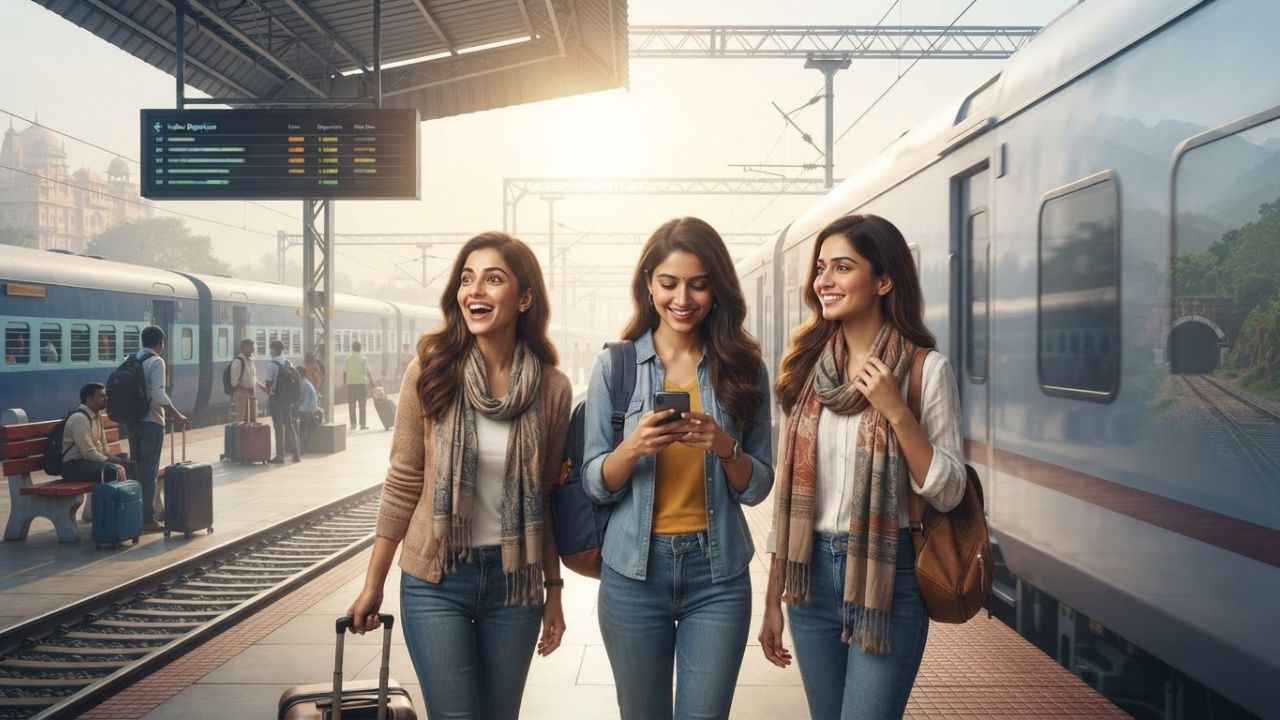
Image generated by AI
Indian Railways has announced the extension of two major train services to Vadnagar and Shri Mata Vaishno Devi Katra, improving passenger travel links across western and northern India. Under the new operational plan, the Lokshakti Express will extend its route to the historical town of Vadnagar in northern Gujarat, while the Sabarmati-Jammu Tawi Express will extend to Katra in Jammu and Kashmir. These expanded routes are designed to provide direct connectivity for daily commuters, business travelers, and pilgrims, reducing transit times and eliminating the need for multi-station transfers.
Lokshakti Express Extension to Vadnagar
The extension of the Lokshakti Express represents a significant upgrade for regional mobility in northern Gujarat and its connection to Mumbai. The train, which traditionally operated between Bandra Terminus in Mumbai and Ahmedabad, will now continue further north to Vadnagar, integrating major economic and cultural centers along the corridor. Vadnagar is not only a historical destination but also a hub for textile weaving and small-scale agriculture, meaning this improved access will help local traders transport goods more efficiently.
The updated schedule is structured to accommodate overnight travelers:
- Outbound Schedule: The train departs Bandra Terminus at 7:40 pm, reaches Ahmedabad between 4:20 am and 4:30 am, and arrives at Vadnagar at 6:40 am the following morning.
- Inbound Schedule: The return service leaves Vadnagar at 6:20 pm, arrives at Ahmedabad at 8:35 pm for a 10-minute halt, and continues to Bandra Terminus at 8:45 pm.
- Regional stops: The route now includes a commercial stop at Mehsana, providing residents of Mehsana and surrounding areas with direct access to Mumbai and Ahmedabad. Mehsana serves as a major commercial center and cooperative dairy hub, and this halt allows dairy farmers and business professionals to commute to larger urban markets without difficulty.
To ensure a smooth launch, railway authorities plan a phased rollout. The extension may initially run as a special train service to test operational pathways and gauge passenger demand before being fully integrated into the regular railway timetable. Maintenance and technical inspections for the train’s rakes will continue to be managed from the Sabarmati depot to ensure consistent service standards.
Sabarmati-Jammu Tawi Express Extension to Katra
The extension of the Sabarmati-Jammu Tawi Express directly to Katra marks a major improvement for travelers visiting Shri Mata Vaishno Devi, one of northern India's most popular pilgrimage sites. Previously, passengers traveling from Gujarat had to disembark at Jammu Tawi and arrange secondary road transport to complete their journey. The extended service simplifies this travel by connecting Gujarat directly with the final destination.
The updated long-distance schedule features:
- Outbound Schedule: The train departs Sabarmati at 10:25 am, reaches Jammu Tawi at 3:30 pm, and continues to Shri Mata Vaishno Devi Katra, arriving at 6:55 pm.
- Inbound Schedule: The return service departs Katra at 4:50 am and arrives back at Sabarmati at 2:05 pm.
- Commercial halts: A commercial halt has been added at Udhampur, providing an additional boarding and exit point along the route. Udhampur serves as a major administrative center and military transit base, and this halt provides convenient connections for security personnel and regional travelers.
The Katra extension will be introduced through the Advance Reservation Period (ARP) system, allowing travelers to reserve tickets well in advance. Maintenance for this long-distance route will also be coordinated from the Sabarmati depot. By providing a direct connection between western India and Jammu and Kashmir, Indian Railways aims to support regional development, encourage domestic tourism, and simplify travel for long-distance passengers.
Cultural Heritage and Sustainable Travel
For the visitor, the real impact of these rail extensions is the integration of historic cultural destinations with low-emission transport links. Long-distance train travel represents a more sustainable alternative to domestic flights or private vehicle road trips, helping to reduce the overall environmental footprint of regional tourism.
The extended routes connect travelers with key heritage and pilgrimage sites:
- Vadnagar Heritage District: Known for its ancient Buddhist monastery, historic stepwells, and the famous Torans (arched gateways) dating back to the Solanki dynasty. Upgraded rail links support archaeological tourism and help funnel economic benefits directly to local guides, artisans, and guesthouses.
- Vaishno Devi Pilgrimage in Katra: Attracting millions of visitors annually, the pilgrimage to Vaishno Devi temple is a major economic driver for the Katra region. Direct rail access helps distribute visitor arrivals more evenly throughout the year, reducing pressure on regional road networks.
By supporting domestic rail travel, the Western Railway and Northern Railway zones are helping to promote sustainable tourism models that preserve cultural heritage while minimizing carbon emissions. This strategy matches guidelines from the Ministry of Railways, which focuses on developing eco-friendly transit corridors to connect cultural hubs across the country.
Visitor Insider Tips: Navigating the Extended Services
For tourists and pilgrims planning to use these new rail connections, regional travel specialists recommend the following practical guidelines:
- Book Early via the ARP System: The Advance Reservation Period (ARP) in India is typically 120 days. Due to high demand for pilgrimage travel to Katra, secure your tickets as soon as the 120-day booking window opens to guarantee seats on the Sabarmati-Katra route, particularly during Navratri and summer holiday periods.
- Select the Right Travel Class: For comfortable overnight travel, choose AC 2-Tier (2A) or AC 3-Tier (3A) coaches. These classes offer air conditioning and sleeping berths, which are highly recommended for the long journey between Gujarat and Jammu.
- Utilize Mehsana and Udhampur Halts: If your final destination is within the northern Gujarat industrial belt, boarding or disembarking at the Mehsana commercial halt can save significant road transit time compared to traveling through Ahmedabad. Similarly, use Udhampur as an exit point for exploring local hill stations.
- Explore Vadnagar's Archaeological Museum: Spend a day exploring Vadnagar's ancient fortifications and stepwells. Hire a local certified guide at the station to learn about the archaeological excavations conducted by the Archaeological Survey of India (ASI).
- Prepare for Temperature Changes: The journey from Gujarat to Jammu and Kashmir covers different climate zones. Pack layers to adjust to the cooler mountain temperatures in Katra, especially if you plan to trek to the Vaishno Devi shrine.
- Try Regional Culinary Specialties: Enjoy authentic Gujarati thali items at Sabarmati station or sample traditional Kashmiri dishes like Rajma Chawal upon arriving in Katra, supporting local catering vendors along the route.
Outlook: Regional Development and Integration
The extension of the Lokshakti Express and the Sabarmati-Katra service highlights the strategic focus of Indian Railways on expanding regional connectivity. By extending existing routes rather than launching entirely new train lines, authorities can optimize rolling stock utilization, reduce operational overheads, and improve passenger mobility.
Long-term developments in the rail network will focus on electrifying regional routes, upgrading passenger terminals, and introducing modern LHB coaches to improve passenger comfort. The collaboration between the Ministry of Railways, local municipal corporations, and regional tourism boards remains essential to ensuring that rail infrastructure continues to support economic growth, preserve cultural heritage, and provide safe, sustainable travel options for passengers across the country.
Related Travel Guides
Mumbai Suburban Rail Upgrade Speeds Up with 238 Vande Metro Trains
Indian Regional Cuisine Drives Global Culinary Tourism Revolution
Disclaimer
This article is for informational and educational purposes only. It does not constitute legal, financial, or professional advice. While we strive to provide accurate and up-to-date information, travel policies, regulations, and conditions change rapidly. Always verify information with official sources before making travel decisions. Nomad Lawyer makes no representations about the accuracy, reliability, completeness, or suitability of the information provided. Readers should consult qualified professionals for advice specific to their circumstances. The views expressed in this article are those of the author and do not necessarily reflect the views of Nomad Lawyer.
Kunal K Choudhary
Co-Founder & Contributor
A passionate traveller and tech enthusiast. Kunal contributes to the vision and growth of Nomad Lawyer, bringing fresh perspectives and driving the community forward.
Learn more about our team →