
Greece Tourism Investment 2026: Enhancing Infrastructure, Accessibility, and Sustainability for Global Leadership
Greece has unveiled a massive tourism investment strategy focusing on infrastructure upgrades, universal accessibility, and sustainable eco-tourism to solidify its global leadership.

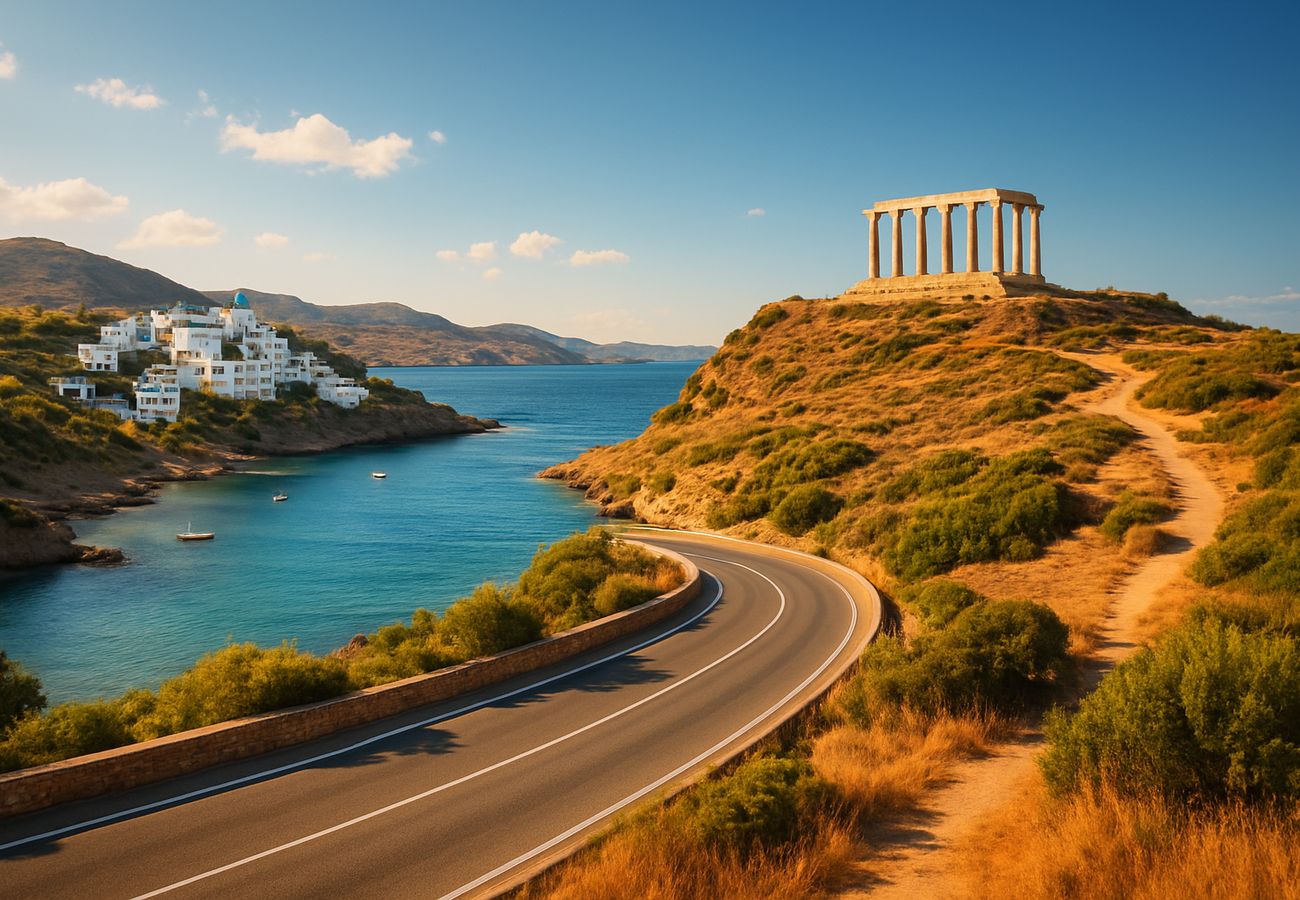
Image generated by AI
Quick Summary
- National Strategy: Greece is executing a targeted investment plan to enhance tourism infrastructure, accessibility, and environmental sustainability.
- Infrastructure Upgrades: Focus on modernizing airports, ports, and road networks across Athens, Santorini, Mykonos, and the Peloponnese.
- Universal Accessibility: Implementation of wheelchair-friendly pathways and inclusive public transport systems at primary heritage and leisure sites.
- Sustainability Goal: Prioritizing eco-tourism, energy-efficient accommodations, and conservation efforts at the Acropolis and the Greek islands.
- Digital Transformation: Deployment of unified online platforms for seamless booking of transit, tours, and accommodations.
- Economic Impact: Designed to boost GDP, drive year-round employment, and reduce seasonality by attracting off-peak visitors.
- Market Positioning: Strengthening Greece’s competitiveness through diversification into cultural and adventure travel.
- Source: Ministry of Tourism, Greece, official strategic report as of May 7, 2026.
Greece has launched an ambitious national tourism strategy centered on high-cadence infrastructure investment, universal accessibility, and environmental sustainability. Released on May 7, 2026, the initiative—overseen by the Ministry of Tourism—aims to modernize primary gateways including airports and ports while diversifying the nation's portfolio through eco-tourism and digital transformation. By integrating wheelchair-friendly pathways at iconic heritage sites like the Acropolis and deploying energy-efficient luxury resorts across the Peloponnese and Aegean islands, Greece is aggressively positioning itself to neutralize seasonality and capture higher-value international segments. This strategic capital injection is expected to bolster the tourism sector’s contribution to national GDP, drive year-round employment, and solidify Greece’s status as a premier, inclusive global destination for the 2026–2030 cycle.
Greece Tourism Strategic Investment 2026: Key Pillars and Infrastructure Goals
The following table summarizes the primary investment areas and their projected impact on the Greek tourism sector.
| Strategic Pillar | Focus Areas | Primary Objective |
|---|---|---|
| Infrastructure | Airports, Ports, Road Networks | Enhance inter-island & mainland connectivity |
| Accessibility | Wheelchair ramps, Public Transport | Universal inclusivity for all physical abilities |
| Sustainability | Eco-resorts, Site Conservation | Preserve natural beauty & cultural heritage |
| Digital Tech | Smart Booking & Transit Platforms | Streamline the end-to-end traveler journey |
| Diversification | Cultural, Adventure, Eco-Tourism | Attract new high-value traveler segments |
| Seasonality | Off-peak Promotion & Winter Travel | Ensure steady year-round economic growth |
Infrastructure Modernization: Upgrading Airports, Ports, and Road Networks
The Greek government and private sector are prioritizing transit efficiency to accommodate record visitor volumes:
- Gateways: Major upgrades to international airports in Athens and the Cyclades to improve passenger throughput and reduce wait times.
- Maritime Connectivity: Modernizing ports to support larger cruise vessels and high-speed ferry connections between the mainland and the Peloponnese.
- Road Logistics: Enhancing road networks in the Peloponnese and Northern Greece to facilitate easier access to off-the-beaten-path destinations.
Inclusive Tourism: Enhancing Accessibility for Travelers with Disabilities
A core component of the 2026 strategy is making Greece one of the world's most accessible destinations:
- Heritage Sites: Deployment of wheelchair-friendly pathways and lifts at the Acropolis and other major archaeological sites.
- Public Transit: Upgrading urban and regional transport systems with low-floor buses and accessible train carriages.
- Beach Accessibility: Increasing the number of beaches equipped with "SEATRAC" systems and accessible sun lounger areas across the Aegean coast.
Digital Transformation: Streamlining the Traveler Journey via Smart Platforms
Greece is leveraging technology to enhance its competitive edge in the global market:
- Unified Booking: Developing centralized platforms that integrate ferry, rail, and local transit bookings with heritage site ticketing.
- AR/VR Integration: Using augmented reality to provide immersive historical narratives at archaeological landmarks, enhancing the visitor experience.
- Tech Entrepreneurship: Encouraging local tech startups to develop sustainable travel apps and AI-driven concierge services for tourists.
Sustainability and Eco-Tourism: Preserving Heritage through Green Innovation
The "Green Greece" initiative is transforming the hospitality and conservation landscape:
- Energy Efficiency: Incentivizing the construction of luxury resorts that utilize solar power, water recycling systems, and local sustainable materials.
- Island Conservation: Implementing plastic-free initiatives and marine protection zones around the Greek islands to safeguard biodiversity.
- Heritage Preservation: Using non-invasive technology for the maintenance and monitoring of sensitive sites like the Parthenon and Delphi.
Diversification Strategy: Cultural, Adventure, and Year-Round Travel
To maintain its leadership position, Greece is expanding its tourism products beyond "Sun and Sea":
- Cultural Focus: Highlighting the country's diverse museum network and regional culinary heritage to attract history enthusiasts.
- Adventure Travel: Promoting hiking, diving, and mountain climbing in Western Macedonia and Crete.
- Off-Peak Growth: Marketing Greece as a premier destination for winter city breaks and autumn cultural festivals to balance the tourism load.
Economic Multiplier: GDP Contribution and Seasonality Reduction
The tourism sector remains the backbone of the Greek economy:
- GDP Growth: Targeted investments are expected to significantly increase the sector's contribution to the national economy by 2030.
- Job Creation: The expansion of year-round tourism is projected to provide thousands of stable, non-seasonal roles in hospitality and transport.
- Local Business Support: Increased demand for regional products and traditional craftsmanship helps sustain rural communities across the mainland.
Conclusion: Greece’s Vision for a Sustainable and Competitive Tourism Future
The May 7, 2026, report on Greece’s tourism investment strategy confirms a shift toward a more mature, inclusive, and environmentally conscious industry. By balancing the need for modern infrastructure with a deep commitment to accessibility and sustainability, Greece is not just preparing for more tourists—it is preparing for a better class of tourism. The integration of digital tools and the diversification into eco-tourism ensure that the "Cradle of Western Civilization" remains at the forefront of global travel trends. As these investments come to fruition, Greece is successfully transforming its ancient splendor into a future-proof, sustainable tourism model that benefits both the international traveler and the local community for decades to come.
FAQ: Greece Tourism Strategy 2026
What are the main priorities of Greece’s 2026 tourism investment? The main priorities are infrastructure modernization, universal accessibility, and environmental sustainability/eco-tourism.
How is Greece improving accessibility for travelers with disabilities? Greece is installing wheelchair-friendly pathways at heritage sites, upgrading public transport, and expanding accessible beach facilities.
How does Greece plan to reduce tourism seasonality? By promoting cultural, adventure, and digital-nomad tourism during off-peak months to ensure a steady year-round flow of visitors.
Related Greek Tourism Reports
Disclaimer
This article is for informational and educational purposes only. It does not constitute legal, financial, or professional advice. While we strive to provide accurate and up-to-date information, travel policies, regulations, and conditions change rapidly. Always verify information with official sources before making travel decisions. Nomad Lawyer makes no representations about the accuracy, reliability, completeness, or suitability of the information provided. Readers should consult qualified professionals for advice specific to their circumstances. The views expressed in this article are those of the author and do not necessarily reflect the views of Nomad Lawyer.
Kunal K Choudhary
Co-Founder & Contributor
A passionate traveller and tech enthusiast. Kunal contributes to the vision and growth of Nomad Lawyer, bringing fresh perspectives and driving the community forward.
Learn more about our team →