Greece Tourism 2026: Australian Long-Stay Spending Surges 20.2% as Travel Patterns Shift

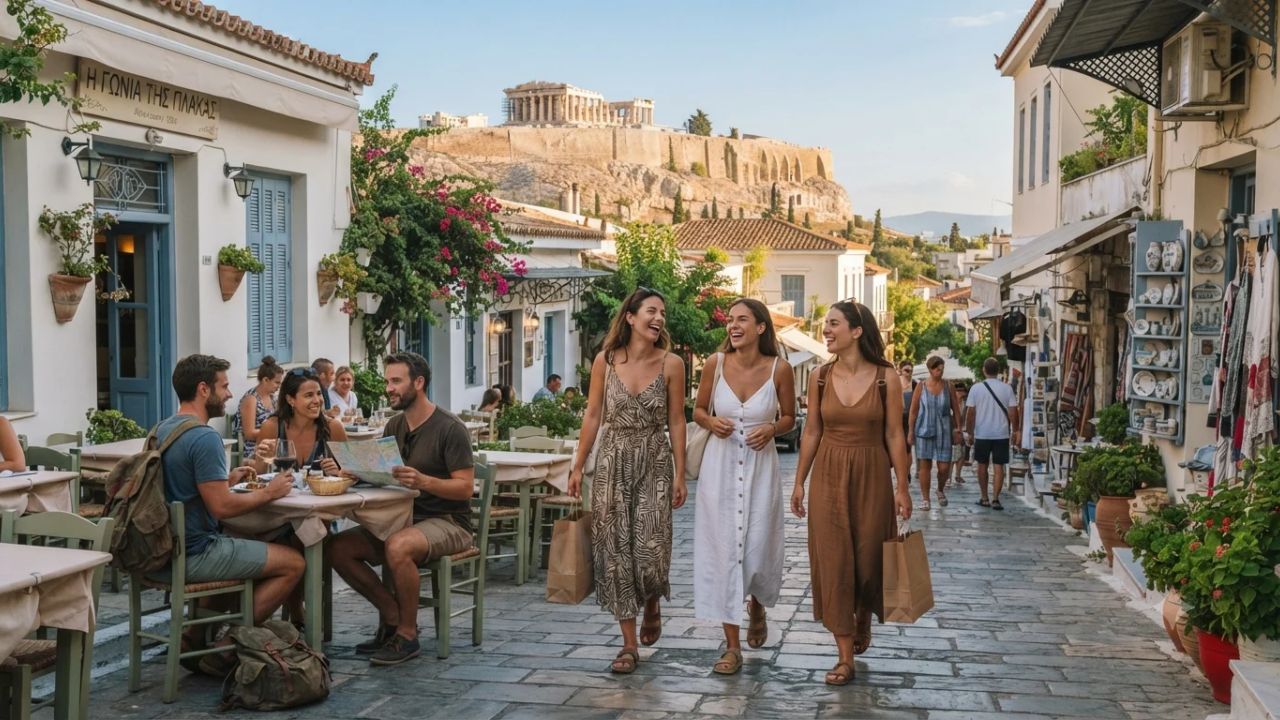
Australian travelers accounted for just 0.4% of total international arrivals to Greece, yet generated a remarkable 1.0% of the country’s entire tourism receipts. Official data released by the Bank of Greece and INSETE reveals that while Australian visits dipped 5.6% to 169,533 in 2025, total inbound expenditure surged by 20.2% to reach €230.7 million.
This economic divergence illustrates a profound transition in Mediterranean travel dynamics. Long-haul travelers crossing 15,000 kilometers are trading rushed, multi-country whistlestops for extended, immersion-focused stays. Spending an average of €1,360.30 per visit over 11.6 nights—nearly double the 6.1-night European average—Australians are redefining the high-value visitor model across Athens, the Cyclades, and the Peloponnese.
The Long-Haul Pivot: Why Fewer Visitors Are Spending More
The financial metrics recorded across the Hellenic republic challenge the traditional assumption that destination success requires record crowd numbers. According to the Bank of Greece, overall inbound arrivals across the nation rose 5.6% to 37.98 million travelers in 2025, producing more than €23.6 billion in total travel receipts. Within that wider total, the Australian market emerged as one of the most lucrative single demographics.
Despite total Australian overnight stays decreasing by 4.9% to 1,974,932, average daily spend jumped 26.4% to €116.80 per night. Per-trip expenditure rose 27.3% to €1,360.30, placing Australia second globally only to Canada (whose travelers averaged €1,403 across 12.4 nights). Compared to the overall inbound international average of €595.20 per visit, Australians spent 128.5% more—delivering an extra €765.10 per traveler directly into local Greek businesses, boutique hotels, regional ferries, and family tavernas.
While total Australian departures grew 8.2% to 12.5 million overseas trips in 2025 according to national departure data, Greece captured approximately 1.2% of that market. Arrival volume remains roughly 50% below the 2019 pre-pandemic peak of 339,000 Australian visitors and 4.582 million overnight stays. However, the shift toward higher-spending, slow-travel itineraries has compensated for lower volume, providing sustained revenue without overwhelming local infrastructure. Travelers can explore official destination guides through the Greek National Tourism Organisation.
What Makes Australian Travel in Greece Different
The distinct behavior of Australian visitors is rooted in geographic distance and cultural affinity. Journeying between Australia and Greece requires substantial flight time and international connections, making short weekend breaks impractical. Long-haul travelers arrive prepared to unpack their bags, establish local routines, and explore regional mainland corridors alongside famous Aegean islands.
Seasonality patterns also highlight a strategic opportunity for Greek tourism authorities. While the third quarter (July to September) captured 64.5% of Australian arrivals and 63.8% of annual receipts, the second quarter (April to June) demonstrated distinct depth. Spring visitors accounted for 21.4% of total arrivals but generated 33.9% of total overnight stays and 29.6% of receipts. This confirms that pre-summer travelers stay considerably longer, exploring archaeological sites, olive groves, and coastal villages before peak summer heat and midsummer crowds set in.
The Attica region surrounding Athens has become a major beneficiary of this trend. Once treated merely as a 24-hour transit stop before catching an island ferry at Piraeus, Attica saw its travel receipts in 2025 jump 125% over 2019 levels, with visits rising 64%. Attica's share of national tourism revenue expanded from 15% in 2019 to 26% in 2025. Modern boutique lodging, thriving neighborhood dining in Koukaki and Pangrati, and year-round cultural programming have established Athens as a vibrant stand-alone city destination.
Visitor Insider Tips
For travelers planning an extensive Greek journey, local knowledge makes all the difference:
- Target the April-to-June Shoulder Window: Visiting in late spring delivers pleasant 24°C (75°F) weather, blossoming hillsides, lower boutique hotel rates, and quiet archaeological parks before July peak season.
- Base in Athens for 4 to 5 Days: Instead of rushing straight to the ferry port, spend several nights exploring the capital. Walk the pedestrian promenade beneath the Acropolis, explore contemporary art in Metaxourgeio, and dine at neighborhood mezedopoleia in Petralona.
- Pair Island Ferries with Mainland Routes: Combine island hopping in the Cyclades or Dodecanese with a mainland road trip through the Peloponnese to visit ancient Epidaurus, Mycenae, and the fortified town of Monemvasia.
- Leverage Smart Tourism Data: Check real-time site capacity and cultural event schedules using the Greek Ministry of Tourism’s official digital platform tools before visiting crowded heritage sites.
- Respect Ancient Monument Regulations: When exploring monumental sites recognized by UNESCO, wear flat walking shoes with rubber grip, carry refillable stainless steel water bottles, and avoid touching fragile marble friezes.
Cultural and Environmental Context
The transition from mass arrival volume to high-value, longer-stay tourism aligns directly with Greece's long-term environmental and heritage preservation goals. Overtourism on delicate islands such as Santorini and Mykonos has strained municipal water desalination plants, electricity grids, and waste management infrastructure during peak summer months.
When visitors extend their stays across two or three weeks, their financial impact spreads more evenly across regional mainland economies, northern Greece, and lesser-known island groups. This broader geographic footprint supports multi-generational ceramic artisans, small-scale winemakers, and organic olive farmers who maintain traditional agricultural terraces that prevent soil erosion.
Furthermore, longer stays foster authentic cultural understanding. Travelers who remain in a single Cretan village or Athenian neighborhood for a week build genuine relationships with local shopkeepers, participate in seasonal olive and grape harvests, and contribute to the living social fabric of Greece rather than merely consuming its photo backdrops.
FAQ: Visiting Greece in 2026
What was the average length of stay for Australian visitors in Greece?
Australian travelers stayed an average of 11.6 nights in 2025, compared to the overall international visitor average of 6.1 nights.
How much did the average Australian tourist spend per trip?
Australians spent an average of €1,360.30 per visit (excluding international airfares), averaging €116.80 per night.
Why is Attica gaining more tourism revenue?
Attica's tourism receipts rose 125% over 2019 levels as Athens transformed from a transit hub into a multi-day cultural and culinary destination.
What is the best season for long-stay travel in Greece?
The spring shoulder season from April to June offers ideal weather, lower accommodation costs, and fewer crowds across historical sites.
By trading rushed itineraries for unhurried conversations under village plane trees, slow travelers discover that the true soul of Greece is found in the moments between destinations.
Related Travel Guides
- End of the World Security: Argentina Launches Dedicated Ushuaia Airport Command to Protect Patagonia and Antarctica Gateways
- Chile Post-Fiestas Patrias Travel 2026: Santiago to Viña del Mar Corridor and Airport Reset
- US Cities Expand Architecture-Focused Holiday Tourism Across Chicago, Pittsburgh, Buffalo, Miami Beach, and New Orleans for Labor Day 2026
This article is for informational purposes. Flight routes, passenger regulations, visa rules, and transit advisories are subject to change by airlines and aviation authorities. Readers are advised to verify schedules and travel documentation with relevant carriers and border agencies before departure.
Related Stories
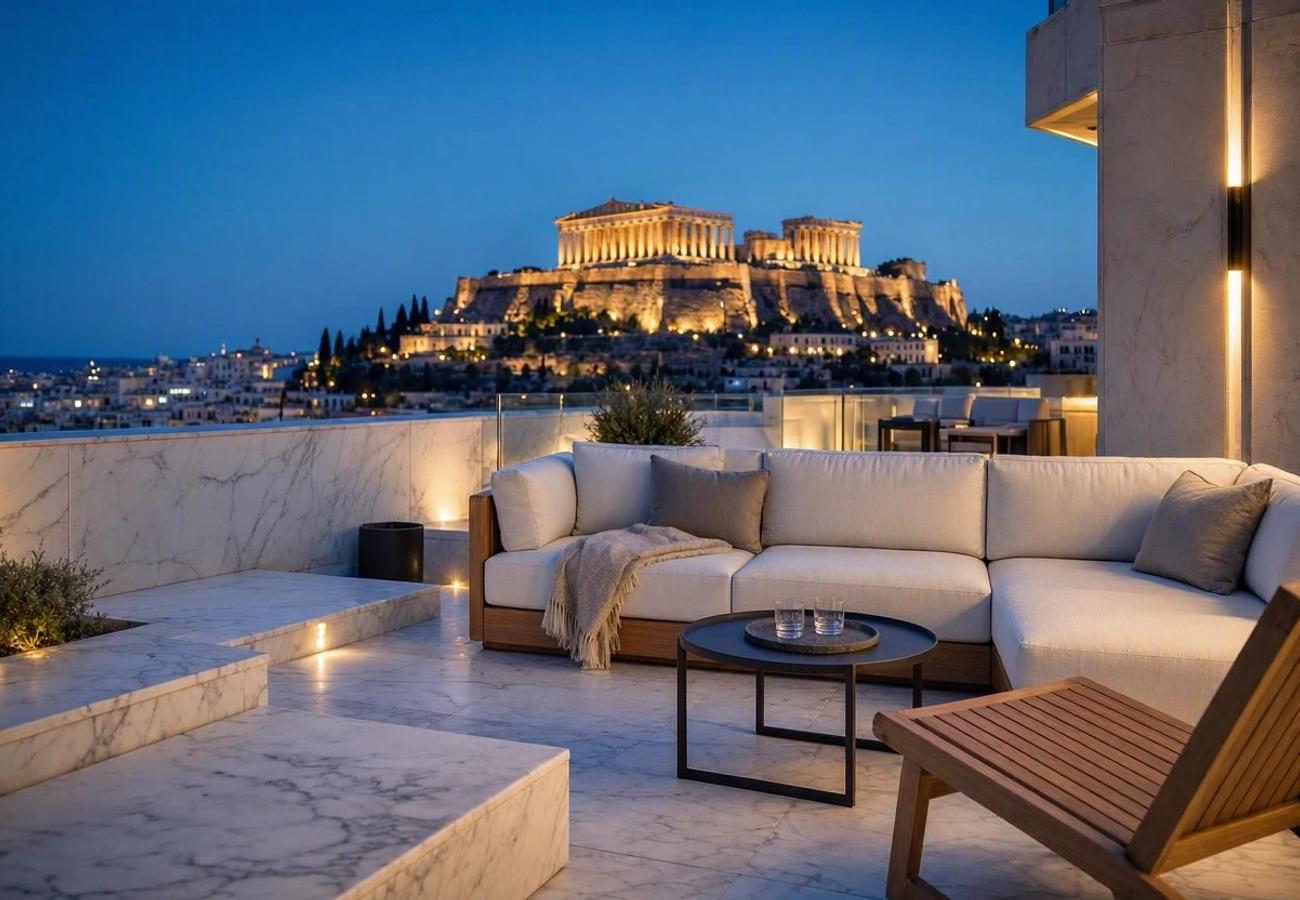
Hilton Expands Greek Portfolio to 50+ Hotels with Conrad Athens and Chania Luxury Openings 2026

Ayodhya Deepotsav 2026 Logistics Guide: Attending the 30 Lakh Lamp Festival in India