
End of the World Security: Argentina Launches Dedicated Ushuaia Airport Command to Protect Patagonia and Antarctica Gateways
Argentina strengthens southern aviation security by launching the URSA VI command at Ushuaia Airport, protecting Patagonia and Antarctic travel.

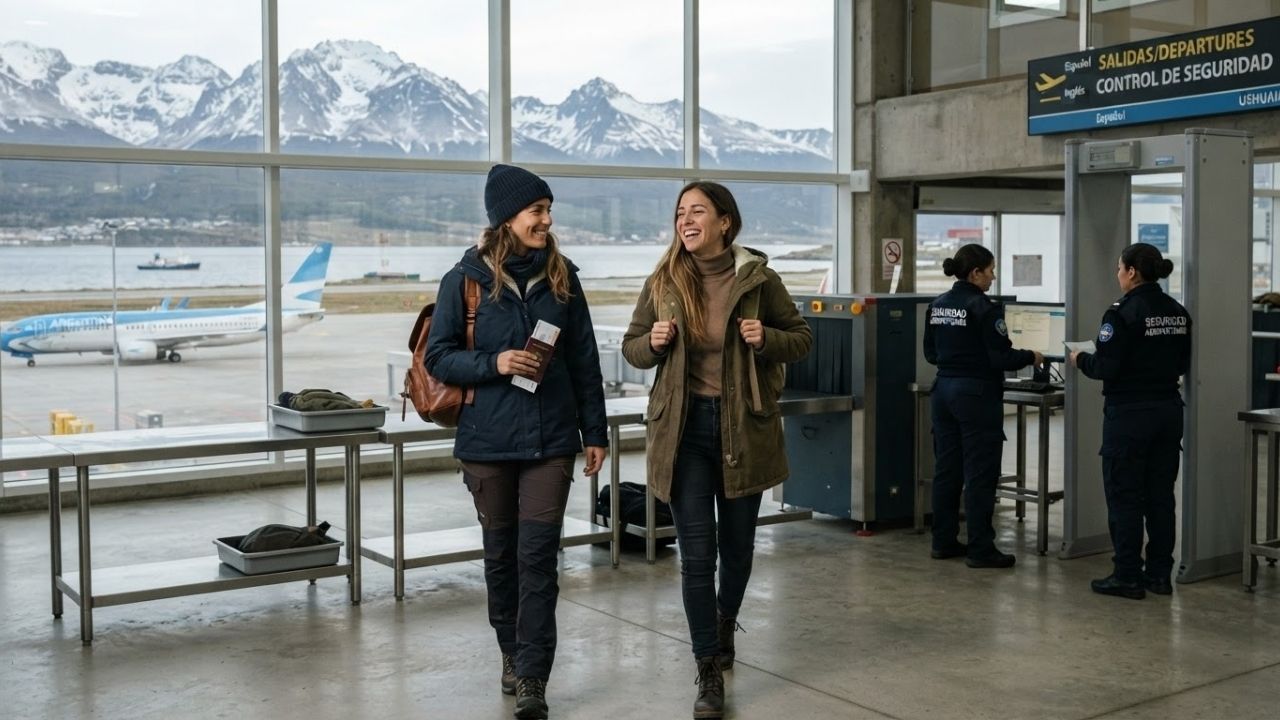
Image generated by AI
Strengthening security at the southernmost aviation gateway of South America, Argentina has launched a dedicated regional security command at Ushuaia Airport.
Aviation authorities are restructuring security operations to manage increasing traveler volumes at remote tourism hubs. Police logs confirm that the Airport Security Police (PSA) of Argentina officially established the Southern Patagonia Region Airport Security Unit VI (URSA VI) on August 29, 2026. Headquartered at Ushuaia Airport in Tierra del Fuego, this unit is designed to improve security management, coordinate field operations, and strengthen emergency response capabilities at the gateway to Patagonia and Antarctica.
Reorganizing Argentine Airspace Security: The Creation of URSA VI
The launch of URSA VI is part of a reform designed to manage regional security closer to the airports they protect. Previously, Patagonia's aviation security operations were managed under a single, broad division, which created administrative delays over large distances. The new arrangement establishes dedicated regional units to handle the operational demands of the southern provinces.
Ushuaia Airport serves as the main entry point to Tierra del Fuego, where road transport is limited by geography. The creation of a dedicated security command helps coordinate personnel and resources, improving airport efficiency during peak travel seasons. The restructuring supports safety standards without altering standard passenger screening procedures.
Geographical Partitioning: Northern and Southern Patagonia Divisions
To address the geographic differences across the region, the Airport Security Police divided Patagonia into separate operational units:
- URSA VI Southern Patagonia: Headquartered at Ushuaia Airport, this unit manages aviation security across the southernmost provinces, including Tierra del Fuego and Santa Cruz.
- URSA V Northern Patagonia: Based at Neuquén Airport, this unit coordinates security operations across the northern lake districts and industrial centers.
This division allows local directors to make operational decisions based on regional conditions, including seasonal tourist waves and local flight patterns. For a country with large distances between major cities, regional commands help improve coordination with municipal security services.
Strategic Gateway Status: Ushuaia's Role in Polar and Regional Tourism
Ushuaia has developed an international reputation as the gateway to the "End of the World," serving as the primary departure point for Antarctic expedition cruises. International visitors fly into Ushuaia Airport before boarding vessels heading to the Antarctic Peninsula and surrounding polar regions. The airport also connects travelers with Tierra del Fuego National Park and southern hiking trails.
Because of the airport's role in polar tourism, reliable security is essential for the visitor experience. A stronger command unit helps manage passenger movements during the busy summer cruise season. The investment in infrastructure supports the growth of adventure tourism and coordinates responses to potential aviation risks.
Senior Officials Inaugurate the Southern Command
The official inauguration ceremony at Ushuaia Airport was attended by federal, provincial, and municipal officials. The event was led by Argentina's Minister of National Security Alejandra Monteoliva and PSA National Director Carlos Tonelli Banfi. Their presence highlights the strategic importance of Ushuaia's infrastructure to the country's transportation network.
During the ceremony, Senior Commissioner Jesús Rodrigo Cuello was appointed interim head of URSA VI, with Senior Commissioner Adrián Cardozo named deputy head. Other representatives present included Jorge Canals, Chief of Staff of Tierra del Fuego, Antarctica and South Atlantic Islands, Enrique Braun del Corral, Undersecretary of Federal Coordination, and Commissioner General Lorena Andersch, Deputy National Director of PSA.
Eco-Tourism and Sustainable Travel in Tierra del Fuego
The development of tourism in Tierra del Fuego requires a focus on sustainable practices to protect the region's wilderness terrain. Travelers can support the local economy by staying in eco-friendly lodges and booking excursions with certified Fuegian mountain guides. These businesses focus on conservation and help preserve the native subantarctic forests.
Additionally, visitors to Tierra del Fuego National Park should follow "Leave No Trace" guidelines, packing out all waste to protect native wildlife. Buying handicrafts and products directly from local artisan cooperatives in Ushuaia town ensures that tourism spending supports Fuegian families. These conscious choices help preserve the region's natural environments.
Practical Travel Advice and Local Insider Tips
Travelers flying through Ushuaia Airport can prepare for their journeys with these recommendations:
- Travel During Milder Shoulder Seasons: Plan your visit for October or late March. The weather is cool and clear, and passenger traffic through the airport is lower than during the peak winter holiday rushes.
- Try Southern King Crab in Ushuaia: Sample the local specialty centolla (Southern King Crab) prepared fresh at local seafood restaurants along the harbor front.
- Check Baggage Tags for Antarctica Cruises: Ensure your luggage is correctly tagged at check-in. Luggage mix-ups can be difficult to resolve once your cruise ship departs from the port.
- Enjoy Scenic Views from the Departures Terminal: Walk to the upper level of the departures terminal. The large windows offer a panoramic view of the Beagle Channel and snow-capped Andes mountains.
- Arrive Early During the Summer Peak: Allow extra time for airport check-in and security during the summer cruise season (December to February), when multiple charter flights depart.
Argentine Patagonia Airport Security Framework
| Security Unit / Command | Geographic Headquarters | Target Airports Managed | Key Tourism / Local Appeal |
|---|---|---|---|
| URSA VI (Southern) | Ushuaia Airport | Tierra del Fuego gateways | Antarctic cruises, Beagle Channel hiking |
| URSA V (Northern) | Neuquén Airport | Northern Patagonia entries | Lake district, ski resorts, energy trade |
| Fuegian Park Border | Ushuaia regional post | National park transit points | Fuegian wildlife, indigenous histories |
| Beagle Channel Port | Port of Ushuaia | Sea vessel terminals | Expedition cruises, southern ports |
| Federal Security Command | Buenos Aires central | Nationwide aviation system | Policy coordination, risk management |
Frequently Asked Questions
What is the new security unit created at Ushuaia Airport?
Argentina's Airport Security Police established URSA VI, the Southern Patagonia Regional Airport Security Unit, headquartered at Ushuaia Airport.
Why did Argentina restructure its Patagonia airport security?
The reorganization splits Patagonia into Northern and Southern commands to improve local operational capacity, field management, and emergency response.
Why is Ushuaia Airport a strategic gateway for travelers?
Ushuaia Airport serves as the primary arrival point for tourists visiting Tierra del Fuego and passengers embarking on Antarctic expedition cruises.
Which airport hosts the Northern Patagonia security command?
The Northern Patagonia security command (URSA V) is headquartered at Neuquén Airport, managing security operations across the northern provinces.
The Long-Term Outlook for Southern Argentine Tourism
Argentina's investment in aviation security at Ushuaia Airport shows the growing importance of Patagonia and Antarctica in global tourism. Establishing a dedicated security unit helps build confidence among international airlines, cruise operators, and travelers. As visitor numbers continue to grow, cooperation between local transport bodies, park rangers, and federal security forces will remain key to managing regional growth. For travelers, the new security structure provides a safer environment to begin their journeys to the southern regions of South America.
By using local transport links and supporting regional dining spots, travelers help ensure that the End of the World's primary gateways remain sustainable and efficient.
Related Travel Guides
Disclaimer
This article is for informational and educational purposes only. It does not constitute legal, financial, or professional advice. While we strive to provide accurate and up-to-date information, travel policies, regulations, and conditions change rapidly. Always verify information with official sources before making travel decisions. Nomad Lawyer makes no representations about the accuracy, reliability, completeness, or suitability of the information provided. Readers should consult qualified professionals for advice specific to their circumstances. The views expressed in this article are those of the author and do not necessarily reflect the views of Nomad Lawyer.
Raushan Kumar
Founder & Lead Developer
Full-stack developer with 11+ years of experience and a passionate traveller. Raushan built Nomad Lawyer from the ground up with a vision to create the best travel and law experience on the web.
Learn more about our team →