
Grasse Perfumery: Olfactory Tourism and May Rose Harvesting
Olfactory heritage tourism rises as travelers explore Grasse's May rose harvests, Omani terraces, and Indian attar distilleries. Read our travel guide.

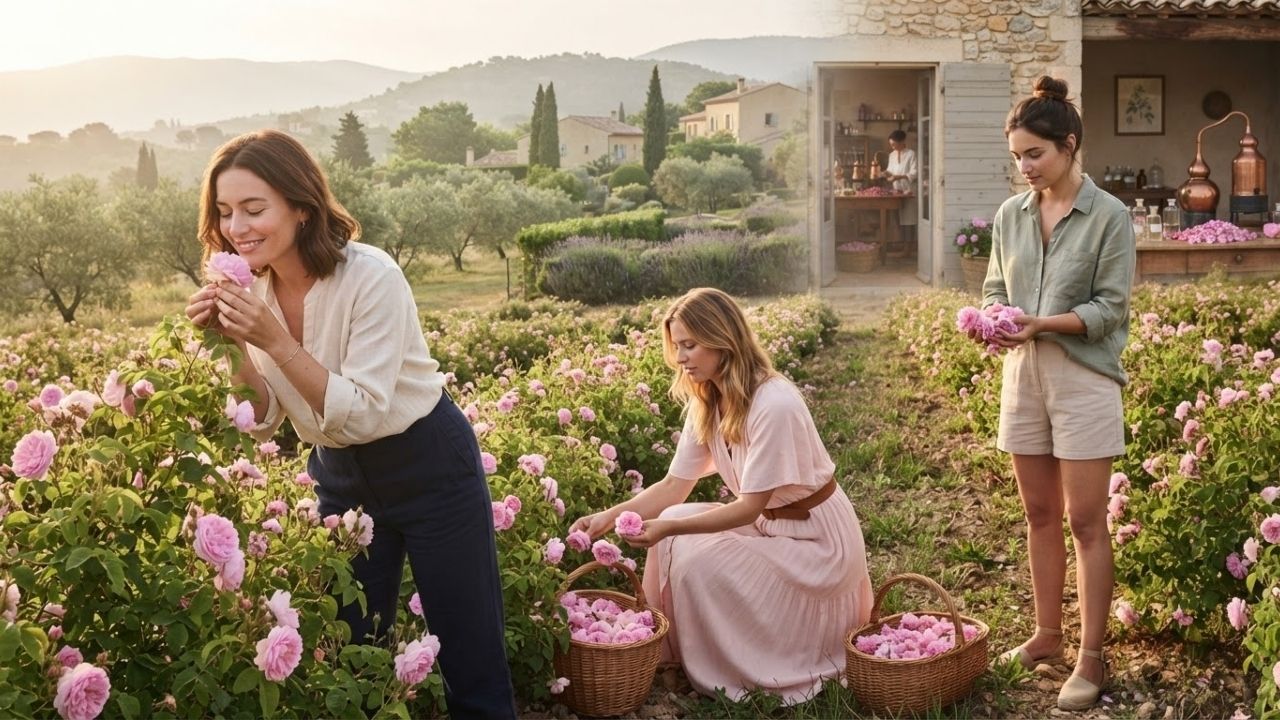
Image generated by AI
Olfactory heritage tourism is emerging as a major travel trend, linking botanical harvests, historic distillation mills, and bespoke perfume blending. From the rose fields of Grasse to the limestone terraces of Oman, travelers are exploring the world through its rare aromatic lineages.
The Rise of Olfactory Heritage Tourism
Slow travel is evolving as modern wanderers increasingly move away from mass-market commercial cosmetics in favor of scent-centric journeys. These expeditions connect agriculture, botany, anthropology, and traditional chemistry by inviting travelers to participate directly in seasonal harvests and ancestral extraction workshops.
This movement demonstrates that natural perfumes carry distinct ecological narratives and cultural histories. By visiting historic perfume houses, travelers can learn about the raw materials and extraction methods that define global scent capitals.
Top Global Destinations for Olfactory Travel
Different geographical regions utilize unique extraction methods to capture iconic regional scents.
| Destination | Primary Terroir Focus | Signature Extraction Method | Iconic Scent Profile | Immersive Activity for Travelers |
|---|---|---|---|---|
| Grasse, France | Mediterranean foothills | Solvent extraction and enfleurage | Dewy, transparent, ultra-refined floral | "Nose for a Day" workshop creating a custom perfume |
| Jabal Akhdar, Oman | High-altitude terraces | Direct-fire copper pot steam distillation | Warm, smoky, woody-floral damask rose | Trekking stone orchards during spring harvests |
| Kannauj, India | Alluvial Ganges plains | Deg-Bhapka (sealed clay hydro-distillation) | Earthy petrichor (Mitti) and heavy jasmine | Monitoring mud-sealed stills and steam flow |
| Tuscany, Italy | Monastic gardens & labs | Curing and maceration in grape spirits | Powdery iris rhizome and crisp citrus | Exploring Renaissance cloisters and apothecary books |
Grasse, France: The Perfume Capital of the World
Grasse’s unique Mediterranean microclimate supports the growth of delicate perfumery crops. Every spring, visitors join local farmers to harvest May roses and fragile jasmine by hand. Master perfumers, known locally as nez, teach centuries-old solvent extraction and enfleurage methods, helping travelers appreciate the intensive manual labor behind French fine fragrances.
Jabal Akhdar, Oman: High-Altitude Rose Distillation
Wild damask roses cling to the high limestone ledges of Jabal Akhdar in Oman. Villagers harvest these blooms on spring mornings and carry them to stone huts to be processed in traditional copper stills. This direct-fire process produces smoky, highly concentrated royal-grade attar oils that reflect the mountain environment.
Kannauj, India: The Grasse of the East
Located along the Ganges River, the historic town of Kannauj preserves clay-sealed hydro-distillation techniques. Artisans use biomass-fueled furnaces called degs to capture local scents, including Mitti attar (the scent of rain on parched earth). Vapors flow through bamboo pipes into receivers, with temperatures monitored entirely by hand, representing an electricity-free manufacturing system.
Tuscany, Italy: Monastic Apothecary Traditions
Walled monastic gardens and historic workshops in Florence and Siena maintain Renaissance-era herbal extractions. Prized Florentine iris rhizomes are cured underground for several years to develop their characteristic powdery butter scent, which is then macerated in grape spirits following historical apothecary ledgers.
Regulatory Guidance and Expedition Planning
Olfactory tourism requires careful planning to align with seasonal harvests and regional agricultural calendars. For travelers planning European scent expeditions, official updates and entry guidelines can be reviewed on the France Diplomacy portal.
To protect fragile botanical environments, regional associations—such as the International Museum of Perfume (M MIP) in Grasse—enforce strict visitor guidelines. These rules protect organic rose fields and historic cloisters from over-tourism, ensuring the preservation of centuries-old agricultural systems.
Local Insider Secrets for Savvy Holiday Travelers
To experience these olfactory destinations like a local, integrate these practical tips:
- Rose Harvest Window: May roses in Grasse bloom only from early May to mid-June. Book harvesting tours and perfume blending workshops at least six months in advance.
- Perfume Class Etiquette: On the day of a blending workshop, do not wear scented body lotion, deodorant, or hair spray, as these personal scents interfere with your ability to blend raw essential oils.
- Jabal Akhdar Treks: The Omani rose harvest peaks from late March to mid-May. Hire a local guide from Al Aqr village to navigate the terrace trails safely.
- Kannauj Attar Verification: In Kannauj's Bara Bazar, verify that the attar you buy is built on a pure sandalwood oil carrier base rather than synthetic liquid paraffin.
- Tuscan Iris Curing: When visiting Florence's historic pharmacies, ask to view the aged iris roots, which require three to five years of curing before they can be processed.
Sustainable Tourism and Preservation of Heritage
Olfactory expeditions support rural economies by channeling travel spending directly to small-scale farmers, hand-pickers, and traditional distillers. This direct support helps preserve labor-intensive agricultural traditions that are otherwise threatened by industrial synthesis.
Additionally, travelers can support sustainability by choosing organic flower farms in Provence, helping fund terrace restoration projects in Oman, and purchasing clay-bottled attar in India to support local pottery crafts. This cooperative approach ensures that olfactory tourism preserves cultural knowledge across generations.
Related Travel Guides
Barbados Cricket Tourism: CPL Finals Boost Bridgetown Travel 2026
Vietnam Caving: Son Doong and the Deep-Earth Tourism Boom
Grasse Rose Harvesting Guide: Masterclasses & Tips, According to Reddit
Disclaimer
This article is for informational and educational purposes only. It does not constitute legal, financial, or professional advice. While we strive to provide accurate and up-to-date information, travel policies, regulations, and conditions change rapidly. Always verify information with official sources before making travel decisions. Nomad Lawyer makes no representations about the accuracy, reliability, completeness, or suitability of the information provided. Readers should consult qualified professionals for advice specific to their circumstances. The views expressed in this article are those of the author and do not necessarily reflect the views of Nomad Lawyer.
Raushan Kumar
Founder & Lead Developer
Full-stack developer with 11+ years of experience and a passionate traveller. Raushan built Nomad Lawyer from the ground up with a vision to create the best travel and law experience on the web.
Learn more about our team →