
Costa Rica's Grand Gala Parade Showcases Afro-Caribbean Culture in Limón
A detailed guide to the Grand Gala Parade in Limón, Costa Rica, celebrating Afro-descendant Cultural Month, local traditions, and visitor tips.

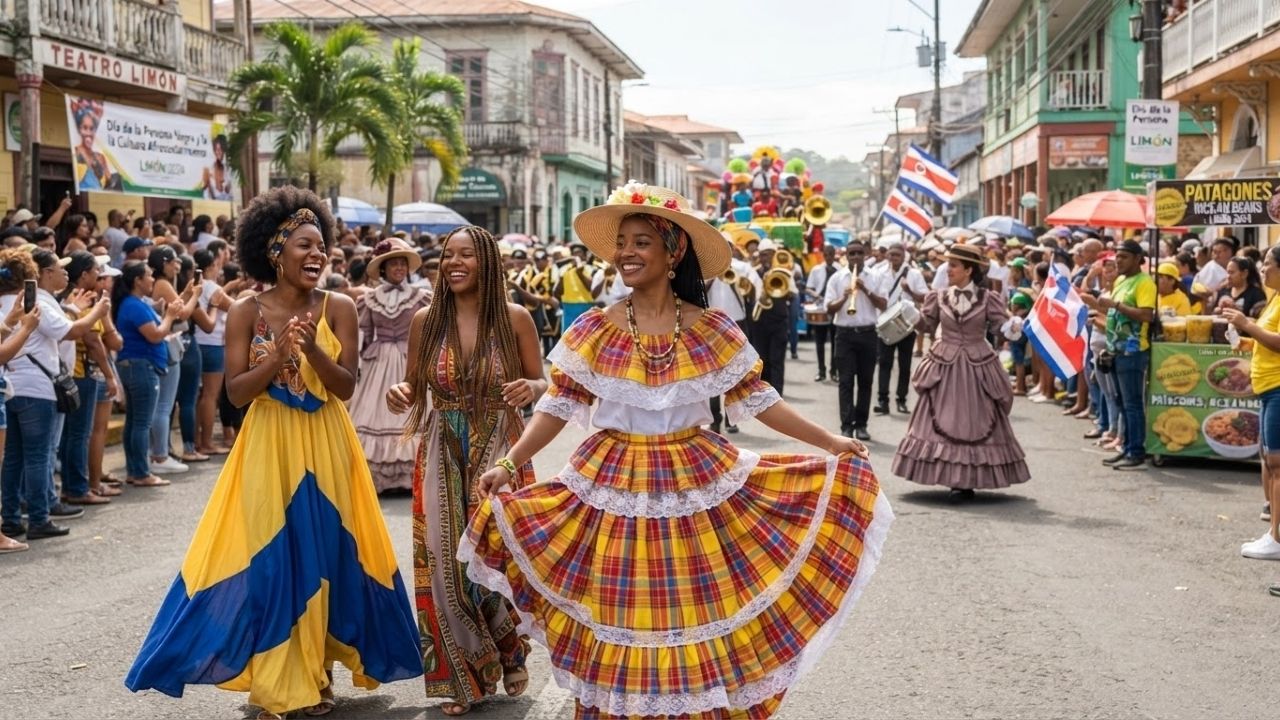
Image generated by AI
Every year on August 31, the Caribbean port town of Limón transforms for the annual Grand Gala Parade, marking the culmination of Afro-descendant Cultural Month in Costa Rica. Declared an Intangible Cultural Heritage of the Nation, this vibrant event celebrates the rich history, rhythms, and culinary traditions of the country's Afro-Caribbean community.
Cultural Tourism on Costa Rica’s Caribbean Coast
While Costa Rica is widely celebrated for its rain forests and eco-tourism initiatives, its eastern coast offers a distinct cultural experience. Travelers looking for immersive journeys are increasingly visiting the province of Limón to explore the heritage of its Afro-descendant community. The Grand Gala Parade (known locally as the Grand Gala Parade de la Cultura Afrodescendiente) serves as the primary highlight of this movement, offering a unique look into a community shaped by migrations, traditions, and resilience.
Limón has historically served as the focal point of Afro-Costa Rican culture. The region’s language, architecture, food, and music are deeply influenced by Jamaican, Afro-Antillean, and indigenous heritages, creating an atmosphere that differs from the Pacific coast of the country. By placing this heritage at the center of the travel experience, the festival provides visitors with a deeper understanding of Costa Rica’s diverse history.
The event attracts domestic and international visitors who want to look beyond the usual beach and wildlife itineraries. This influx of cultural tourism supports local businesses, including boutique hotels, local transport services, and family-run restaurants in Limón and surrounding coastal towns such as Cahuita and Puerto Viejo.
Historical Significance of August 31st in Costa Rica
The date of August 31st holds significant historical weight for Costa Rica and the wider Afro-Caribbean diaspora. It commemorates the First Universal Convention on the Negro Peoples of the World, held in New York in 1920, which resulted in the adoption of the Declaration of the Rights of the Negro Peoples of the World.
In Costa Rica, this date is a focal point for honoring the contributions of Afro-descendants who arrived in waves: initially during the colonial era and later in the late 19th and early 20th centuries to construct the Atlantic railroad and work on banana plantations. According to official data from the Ministry of Culture and Youth of Costa Rica, Afro-descendant Cultural Month was officially established to preserve, increase visibility, and celebrate these traditions, culinary arts, music, and social structures.
By focusing on these historical narratives, the festival acts as an educational platform. Visitors can attend history panels, museum exhibitions, and community workshops that explain how early Afro-Caribbean immigrants shaped the agricultural, musical, and social foundation of modern Costa Rica.
Sensory Journey: What to Expect at the Grand Gala Parade
The streets of Limón fill with spectators and participants dressed in historically inspired clothing. Traditional Victorian-era dresses, reminiscent of the Sunday best worn by early Afro-Caribbean immigrants, are paired with bright tropical colors, detailed beadwork, and sweeping hats, creating a visual tribute to the community’s ancestors.
As the procession moves through the avenues of the port town, the air fills with the sounds of calypso, soca, and reggae. Marching bands, dance troupes, and community organizations perform choreographed routines that narrate stories of migration, heritage, and community strength. Floats decorated with motifs of maritime history and agricultural life pass by, accompanied by the aromatic scents of authentic Caribbean cuisine.
Traditional dishes are prepared and consumed in abundance during the festivities. Visitors can sample authentic street food, including rice and beans (cooked with coconut milk and habanero peppers), rondón (a rich seafood, coconut milk, and plantain soup), and patí (spicy meat pastries). These flavors reflect the fusion of West Indian ingredients and Central American influences, offering a true taste of Afro-Costa Rican identity.
Supporting Afro-Costa Rican Heritage and the Local Economy
The festival plays a key role in keeping local traditions and the Limonese Creole dialect alive. The event encourages younger generations to take pride in their heritage while sharing their cultural expressions with visitors from around the world.
Sustainable travel practices are highly encouraged for those attending the event. To support the local community directly, travelers should book accommodations at locally-owned lodges in Cahuita or Puerto Viejo, hire certified local guides to explore the historic districts of Limón, and dine at family-run sodas (small local restaurants). This ensures that tourism spending stays within the community, supporting regional economic development.
Additionally, visitors are encouraged to protect the regional environment. The Caribbean coast is home to delicate coral reefs and national parks, such as Cahuita National Park. Following local marine conservation rules, reducing plastic waste, and respecting wildlife habitats are essential practices for ensuring that cultural tourism aligns with environmental protection.
Cultural Etiquette and Local Limón Insider Tips
To ensure a respectful and enjoyable experience at the parade, keep these practical tips in mind:
- Off-Peak Visit Windows: Arrive in Limón at least a day prior to August 31st. This allows you to explore the local historical museums and attend community-led cultural workshops without the heavy traffic and crowds of the parade day.
- Cultural Etiquettes: When photographing parade participants in their traditional attire, always ask for permission first. Respect the solemnity of historical exhibits and support local street vendors by paying fair prices for food and crafts.
- Local Dining Specialties: Try the traditional patí pastries and fresh coconut water from street vendors along the parade route. For a sit-down meal, seek out sodas serving authentic rondón soup, which supports local culinary preservation.
- Under-the-Radar Spots: Take time to visit Cahuita National Park, located just south of Limón, which offers quiet coastal trails and is managed through a unique community-based conservation model.
Tourism Outlook for Limón Province
The Costa Rica Tourism Board (ICT) actively promotes Afro-descendant Cultural Month as a key asset for cultural tourism. By highlighting the unique history, architecture, and music of Limón, tourism offices aim to diversify the travel market, directing economic benefits to the Caribbean coast.
The long-term outlook shows that regional cultural tourism will continue to grow, helping to build a more balanced travel calendar and ensuring that Limón is recognized not just for its natural beauty, but for its rich cultural history.
Frequently Asked Questions About the Grand Gala Parade
When is the Grand Gala Parade celebrated in Costa Rica?
The Grand Gala Parade takes place on August 31st every year, serving as the official culmination of Afro-descendant Cultural Month, which is observed throughout August.
What is the historical origin of the celebration?
The event commemorates the First Universal Convention on the Negro Peoples of the World held in New York in 1920. In Costa Rica, it honors the contributions of Afro-descendant workers who built the Atlantic railroad and worked on banana plantations.
What traditional foods are served during the festival?
Key dishes include rice and beans cooked in coconut milk, rondón (a seafood and plantain soup), and patí (spicy meat pastries), all reflecting the region's Afro-Caribbean culinary heritage.
How can I travel to Limón from San José?
Visitors can drive from San José via the Route 32 highway, which passes through Braulio Carrillo National Park. The journey takes approximately three to four hours, depending on traffic and weather conditions.
The Grand Gala Parade serves as a reminder that Costa Rica’s beauty lies not only in its natural preserves but in the resilient rhythm of its diverse communities.
Related Travel Guides
Richmond Jazz Music Festival 2026 Showcases Star-Studded Lineup in Virginia
Lone Peak Film Festival Showcases Indigenous and Conservation Stories in Big Sky Montana
The 10 Best Cultural Festivals in Central America, According to Reddit
Disclaimer
This article is for informational and educational purposes only. It does not constitute legal, financial, or professional advice. While we strive to provide accurate and up-to-date information, travel policies, regulations, and conditions change rapidly. Always verify information with official sources before making travel decisions. Nomad Lawyer makes no representations about the accuracy, reliability, completeness, or suitability of the information provided. Readers should consult qualified professionals for advice specific to their circumstances. The views expressed in this article are those of the author and do not necessarily reflect the views of Nomad Lawyer.
Raushan Kumar
Founder & Lead Developer
Full-stack developer with 11+ years of experience and a passionate traveller. Raushan built Nomad Lawyer from the ground up with a vision to create the best travel and law experience on the web.
Learn more about our team →