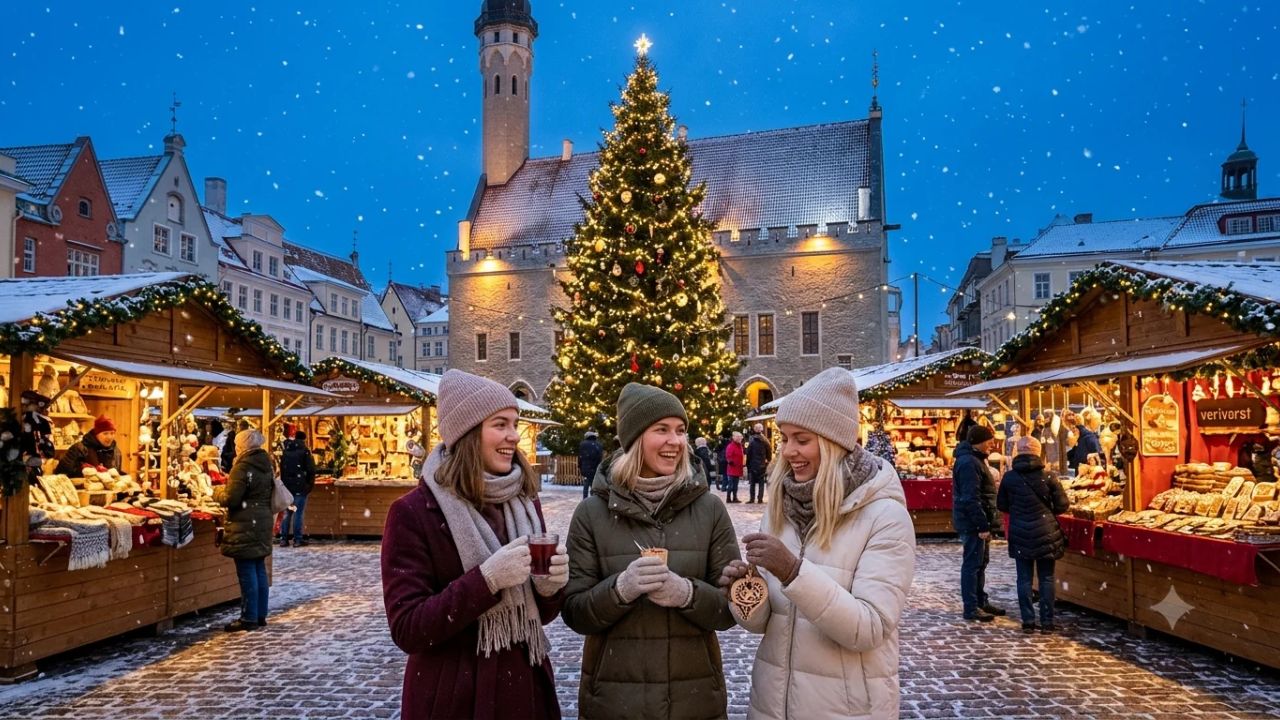
Global Cultural Event Tourism Surges as Japan, Mexico, Thailand, and Germany Lead World-Class Festivals

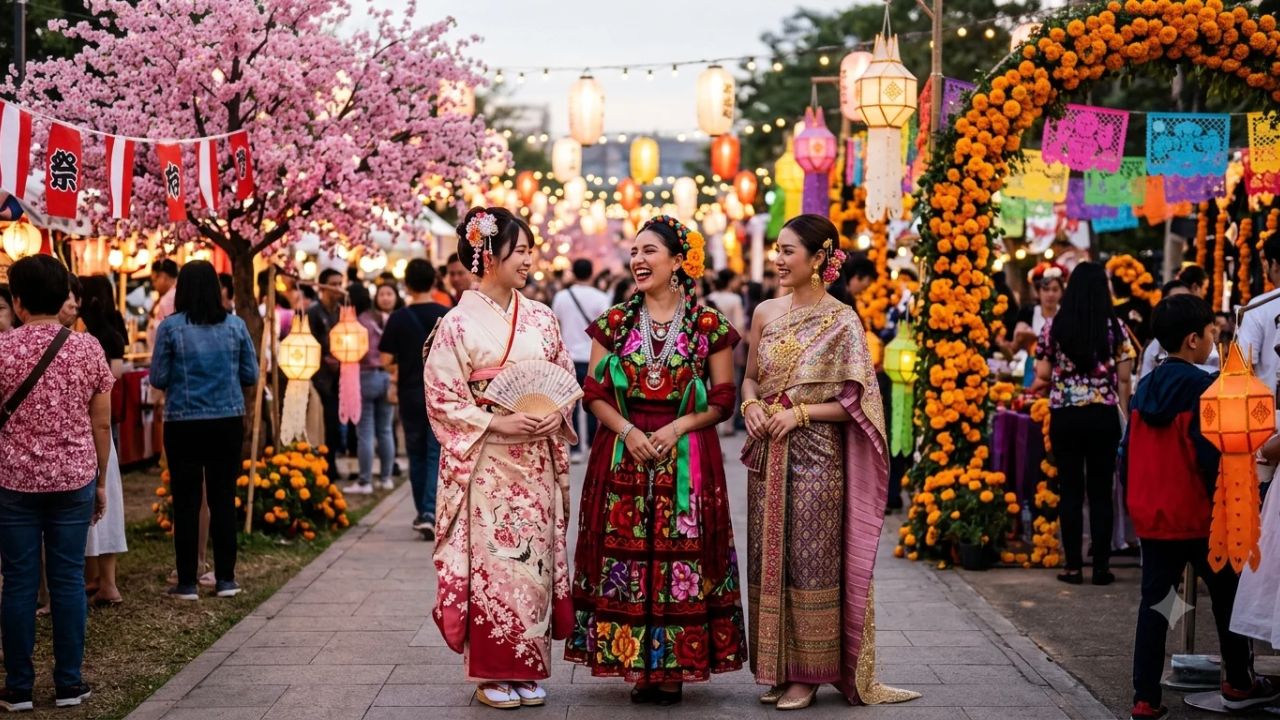
International travelers increasingly plan journeys around iconic cultural and seasonal events, from Japan's Hanami and Gion Matsuri to Mexico's Día de los Muertos and Germany's historic festivals
[TOKYO, Oct 30, 2026] — Global tourism is undergoing an enduring transformation toward experiential and participatory travel, as international holidaymakers increasingly align multi-week journeys around iconic heritage festivals, sacred ancestral rites, and communal celebrations across Japan, Mexico, Thailand, and Germany.
[!NOTE] Key Festival Tourism Dynamics: Market research across international tourism boards confirms that event-driven travel has outpaced standard sightseeing leisure by over 18% heading into 2027. Travelers actively seek authentic cultural integration—participating in centuries-old ceremonies, neighborhood processions, and culinary gatherings rather than remaining passive spectators. Countries that successfully marry preserved folklore with sophisticated transport infrastructure, such as Japan and Germany, or offer profound community immersion, such as Mexico and Thailand, are capturing the lion's share of high-spending, long-stay international visitors.
GLOBAL CULTURAL EVENT TOURISM ECOSYSTEM (2026)
| Column 1 |
|---|
| [ PRIMARY DEMAND DRIVER: EXPERIENTIAL IMMERSION OVER PASSIVE SIGHTSEEING ] |
| Travellers plan 6-12 months ahead around fixed dates, folk rituals, and seasonal phenomena |
| +----------------------------+-----------------------------+ |
| v v v |
| [ JAPAN ] [ MEXICO ] [ THAILAND ] [ GERMANY ] |
| - Hanami (Spring) - Día de los Muertos - Songkran (April) - Oktoberfest |
| - Gion Matsuri (July) - Guelaguetza (July) - Loy Krathong (Nov) - Xmas Markets |
| - Fuji Rock (Late July) - Cervantino (October) - Wonderfruit (Dec) - ITB Berlin |
| +----------------------------+-----------------------------+----------------------+ |
| v |
| [ ECONOMIC & REGIONAL IMPACT ] |
| - Extended average length of stay (12 to 21 days across regional hubs) |
| - Direct revenue distribution to artisans, performers, independent cooks, and local transport |
| - Off-peak and shoulder season demand stabilization across secondary cities and rural towns |
The Global Ascent of Cultural and Event-Driven Tourism
Over the past three decades, global leisure tourism was largely defined by landmark sightseeing: tourists moved sequentially from famous monuments to world-class museums, ticking off pre-determined attractions before returning home. However, contemporary international travel patterns have altered dramatically. Today’s holidaymakers seek profound emotional resonance, human connection, and authentic participatory experiences that cannot be replicated through digital screens or conventional travel itineraries.
This paradigm shift has placed festival and event-driven tourism at the center of the global travel economy. Whether standing in quiet reflection amid candlelight and cempasúchil marigolds during Mexico's Day of the Dead, sharing street picnics beneath blooming cherry blossoms along Kyoto's Philosopher's Path, engaging in joyous water purification rituals during Thailand's Songkran, or raising a glass of festive Märzen beer beneath the wooden rafters of Munich's historic Oktoberfest tents, travelers are prioritizing lived collective memory over photographic checklists.
The economic implications of this transition are substantial. Event-focused travelers exhibit markedly higher expenditures and extended booking windows. Because major cultural festivals operate on precise astronomical, lunar, or centuries-old religious calendars, attendees routinely book airline tickets, boutique hotel accommodations, and regional transport passes six to twelve months in advance.
Additionally, festival tourism serves as a powerful antidote to urban overconcentration. While capital cities often serve as initial transit gateways, the authentic heart of these celebrations frequently beats in regional provinces—Oaxaca, Guanajuato, Chiang Mai, Naeba, Nuremberg, and Takayama—effectively redistributing foreign visitor expenditure directly into provincial communities, craft cooperatives, and multi-generational family enterprises.
Japan: Seamless Synthesis of Ancient Shinto Rites and Modern Soundscapes
Japan stands as an extraordinary global benchmark for cultural event travel, demonstrating how an ultra-modern society can safeguard thousand-year-old spiritual traditions while pioneering cutting-edge contemporary entertainment. The country’s public transit network, pristine public safety standards, and deep-seated culture of omotenashi (mindful hospitality) enable travelers to move effortlessly from solemn morning shrine ceremonies to energetic evening art exhibitions.
JAPAN: FOUR-SEASON CULTURAL EVENT TIMELINE
| Column 1 |
|---|
| [ SPRING: CHERRY BLOSSOM SEASON (HANAMI) ] |
| - Peak Months: Late March to Mid-April |
| - Key Centers: Tokyo (Ueno Park, Meguro River), Kyoto (Maruyama Park), Osaka Castle Park |
| - Experience: Daylight & evening communal picnics (Yozakura) under flowering sakura canopies |
| v |
| [ SUMMER: GION MATSURI & SACRED PROCESSIONS ] |
| - Peak Month: Entire Month of July (Main Yamaboko Processions: July 17 & July 24) |
| - Key Center: Kyoto (Shijo-dori, Yasaka Shrine corridor) |
| - Experience: Towering multi-ton wooden floats, traditional Gion-bayashi flute music, Yoiyama |
| v |
| [ HIGH SUMMER: FUJI ROCK FESTIVAL ] |
| - Peak Timing: Late July (Three Days) |
| - Key Center: Naeba Ski Resort, Yuzawa, Niigata Prefecture |
| - Experience: World-leading outdoor music gathering, pristine alpine camping, zero-waste ethos |
The Cherry Blossom Phenomenon (Hanami): Communal Nature Worship
Every spring between late March and mid-April, Japan undergoes a national awakening as the cherry blossom front (sakura zensen) sweeps northward across the archipelago. What appears to outside observers as a botanical event is, in reality, one of the world's most enduring communal rituals. Dating back to the Nara period (710–794 AD), Hanami represents the philosophical appreciation of mono no aware—a poignant awareness of impermanence and the transient beauty of life.
During peak bloom, urban parks including Tokyo's Ueno Park, Shinjuku Gyoen, and the lantern-lined banks of the Meguro River transform into open-air social commons. Japanese families, office colleagues, and foreign visitors spread blue tarps beneath flowering canopies to share seasonal bento boxes, craft sake, and sweet hanami dango rice dumplings. In the ancient capital of Kyoto, night viewing (yozakura) around the iconic weeping cherry tree in Maruyama Park creates a visual spectacle illuminated by paper lanterns.
The economic scale of the sakura season is immense, injecting an estimated 616 billion yen annually into Japan's domestic travel, hospitality, and retail sectors. For international visitors, securing accommodations in Tokyo and Kyoto during the brief two-week bloom requires advance reservations, with many travelers opting to track the Japan Meteorological Agency's blossom forecasts to follow the blooms north into Tohoku and Hokkaido.
Gion Matsuri: Kyoto’s Thousand-Year Spiritual Cleansing
In the heat of July, Kyoto hosts Gion Matsuri, recognized worldwide as one of Japan’s three great historic festivals and inscribed on the UNESCO Representative List of the Intangible Cultural Heritage of Humanity. Tracing its origins to 869 AD, when Emperor Seiwa ordered sacred prayers at Yasaka Shrine to appease the spirits and halt a devastating plague, the festival spans the entire month of July.
The undeniable pinnacle of the celebration occurs during the Yamaboko Junkō—the grand street processions held on July 17 (Sakimatsuri) and July 24 (Atomatsuri). Enormous wooden floats, some standing over 25 meters tall and weighing up to twelve tons, are pulled through central Kyoto's avenues entirely by human muscle power. Built without a single nail using intricate rope-tying techniques, these floats are adorned with historic Nishijin tapestries, gilded wood carvings, and antique textiles imported along the ancient Silk Road.
On the three evenings leading up to the processions, known as Yoiyama, central Kyoto’s downtown streets are closed to vehicular traffic. Local residents open the wooden screens of their traditional machiya merchant townhouses to exhibit treasured family folding screens and heirlooms, while thousands of food stalls serve takoyaki, yakitori, and shaved ice to celebrants dressed in lightweight cotton summer yukata.
Fuji Rock Festival: Alpine Music and Environmental Harmony
In late July, Japan’s cultural focus shifts to the forested slopes of Mount Naeba in Niigata Prefecture, where the Fuji Rock Festival takes place. Founded in 1997 at the foot of Mount Fuji before relocating to its permanent home at Naeba Ski Resort, the three-day gathering is Asia’s largest and most respected outdoor music festival, welcoming upwards of 130,000 attendees.
Fuji Rock stands apart from conventional Western music festivals through its uncompromising commitment to environmental stewardship and pristine mountain hospitality. Surrounded by bubbling alpine streams and lush beech forests, the festival features over two hundred international and Japanese musical acts across multiple distinct stages, interconnected by scenic boardwalk trails illuminated by solar-powered art lanterns. The Dragondola—the world’s longest gondola lift—carries concertgoers above misty mountain ridges to secluded mountain-top stages.
Festival attendees adhere strictly to a community-driven zero-waste policy, with hundreds of volunteer sorting stations ensuring that trash is separated into distinct recyclable categories. The festival's direct rail connection via the Joetsu Shinkansen bullet train from Tokyo Station to Echigo-Yuzawa makes this remote mountain celebration exceptionally accessible to international visitors, who blend high-energy concert experiences with therapeutic soakings in local volcanic onsen hot springs.
Mexico: Vibrant Spiritual Remembrance and Indigenous Arts
Few destinations on Earth celebrate life, death, and cultural identity with the artistic passion, communal warmth, and chromatic brilliance found across Mexico. Mexican festival culture is characterized by an open-hearted embrace of visitors, who are welcomed not as detached onlookers, but as extended family members into public squares, village cemeteries, and neighborhood street dances.
MEXICO: SIGNATURE CULTURAL GATHERINGS
| Column 1 |
|---|
| [ DÍA DE LOS MUERTOS (DAY OF THE DEAD) ] |
| - Timing: October 31 to November 2 |
| - Epicenters: Oaxaca City, San Andrés Mixquic, Lake Pátzcuaro (Michoacán), Mexico City |
| - Essence: Sacred indigenous remembrance, candlelit graveyard vigils, cempasúchil altars |
| v |
| [ LA GUELAGUETZA: INDIGENOUS FOLKLORE FESTIVAL ] |
| - Timing: Last Two Mondays of July (Los Lunes del Cerro) |
| - Epicenter: Oaxaca City (Auditorio Guelaguetza on Cerro del Fortín) |
| - Essence: Inter-tribal dance exchange representing Oaxaca's 16 recognized ethnolinguistic groups |
| v |
| [ FESTIVAL INTERNACIONAL CERVANTINO ] |
| - Timing: Throughout October (Three Weeks) |
| - Epicenter: Guanajuato City (UNESCO World Heritage colonial mining center) |
| - Essence: Latin America's premier performing arts gathering across historic plazas & tunnels |
Día de los Muertos: The Sacred Reunion of Living and Departed
Celebrated annually between October 31 and November 2, Día de los Muertos represents an intricate synthesis of ancient pre-Columbian Mesoamerican beliefs and 16th-century Spanish Catholic practices. Inscribed on UNESCO's Representative List of the Intangible Cultural Heritage of Humanity, the celebration is grounded in the conviction that the deceased return to the earthly realm for forty-eight hours to commune with the living.
Rather than an occasion of grief or somber mourning, the holiday is an exuberant, life-affirming celebration of family lineage and ancestral memory. In homes, town plazas, and cemeteries across the nation, elaborate multi-tiered altars (ofrendas) are constructed. These sacred displays are draped in bright orange cempasúchil (Mexican marigolds)—whose pungent fragrance and vivid petals are believed to guide wandering spirits home—and laden with the favorite foods, mezcal, pan de muerto, and personal possessions of departed loved ones.
Regional variations provide distinct travel experiences:
- Oaxaca City and the Central Valleys: Known for vibrant neighborhood comparsas (musical costume parades), where brass bands, costumed stilt-walkers, and dancers wind through cobblestone streets until dawn. Graveyards such as Panteón General and the cemetery at Xoxocotlán host overnight candlelit vigils where families sing, play acoustic guitars, and share tamales and hot chocolate beside decorated graves.
- Lake Pátzcuaro, Michoacán: Indigenous Purépecha communities paddle traditional wooden canoes carrying glowing lanterns across the lake to the island of Janitzio, where cemetery headstones are covered in marigolds and glowing wax tapers under quiet autumn skies.
- Mexico City: A grand civic showcase featuring the monumental Day of the Dead Parade along Paseo de la Reforma, monumental ofrendas in the Zócalo, and candlelit boat journeys along the ancient canals of Xochimilco to the island village of San Andrés Mixquic.
La Guelaguetza: A Living Showcase of Indigenous Unity
Held on the last two Mondays of July in Oaxaca City, La Guelaguetza (derived from the Zapotec word meaning "mutual offering" or "reciprocal gift") is the preeminent celebration of indigenous culture in the Americas. Set against the backdrop of the open-air Auditorio Guelaguetza high on the Cerro del Fortín, the festival brings together delegations from Oaxaca's sixteen recognized ethnolinguistic groups, including the Zapotec, Mixtec, Mazatec, and Mixe peoples.
Each community presents traditional dances, poetry, and musical performances that narrate their ancestral history, agricultural cycles, and spiritual relationships with the earth. Dancers wearing hand-embroidered velvet huipiles, elaborate feather headdresses, and carved wooden masks perform iconic pieces such as the Danza de la Pluma (Feather Dance) and the joyous Flor de Piña (Pineapple Flower Dance).
At the conclusion of each performance, delegates toss handcrafted gifts into the cheering crowd—woven baskets, tropical fruits, hand-thrown ceramics, and artisanal textiles—reaffirming the timeless social pact of reciprocal generosity. The city's botanical gardens, colonial courtyards, and mezcal bars buzz with culinary fairs showcasing Oaxaca's legendary seven moles and artisanal agave distillates.
Festival Internacional Cervantino: Guanajuato’s High-Art Extravaganza
Every October, the colonial silver-mining city of Guanajuato—renowned for its subterranean road tunnels, steep hillsides, and pastel-painted baroque architecture—transforms into the cultural capital of the Hispanic world. The Festival Internacional Cervantino began modestly in the mid-20th century as university students staged short dramatic sketches by Spanish author Miguel de Cervantes in small cobblestone plazas.
Today, Cervantino has expanded into Latin America's most prestigious international arts festival, featuring hundreds of opera singers, contemporary dance ensembles, classical orchestras, and theatrical troupes from over thirty visiting nations. Historic performance spaces like the 19th-century Teatro Juárez and the subterranean tunnels carved out of old riverbeds host world-class productions, while open-air squares such as Plaza San Roque host street performers, acoustic troubadours, and literary readings that continue well past midnight.
Thailand: Joyful Cleansing Rites and Luminous Night Spectacles
Thailand’s cultural events are defined by high-spirited public participation, deep-rooted Theravada Buddhist devotion, and warm tropical hospitality. Rather than observing from the sidelines, international visitors to Thailand are immediately integrated into the fabric of the festivities, whether by joining nationwide street celebrations or releasing glowing paper lanterns into the warm night sky.
THAILAND: ICONIC CELEBRATORY TRADITIONS
| Column 1 |
|---|
| [ SONGKRAN: THE TRADITIONAL THAI NEW YEAR ] |
| - Timing: April 13 to April 15 (Nationwide) |
| - Major Hubs: Bangkok (Silom, Khao San, Sanam Luang), Chiang Mai (Old City Moat), Phuket |
| - Focus: Buddhist merit-making, elder blessing rituals, nationwide communal water celebrations |
| v |
| [ LOY KRATHONG & YI PENG: FESTIVALS OF LIGHT ] |
| - Timing: Full Moon of the 12th Lunar Month (November) |
| - Major Hubs: Chiang Mai (Ping River & Lanna skies), Sukhothai Historical Park, Ayutthaya |
| - Focus: Floating illuminated baskets (krathongs), releasing sky lanterns (khom loy) |
| v |
| [ WONDERFRUIT FESTIVAL: SUSTAINABLE CULTURE & LIFESTYLE ] |
| - Timing: Mid-December (Five Days) |
| - Major Hub: The Fields at Siam Country Club, Pattaya, Chonburi |
| - Focus: Eco-architecture, global electronic music, wellness workshops, circular economy design |
Songkran: The World's Most Joyous Cleansing Celebration
Marking the start of the traditional Buddhist solar calendar, Songkran takes place annually from April 13 to 15, coinciding with the hottest period of the Southeast Asian dry season. Inscribed on UNESCO's Intangible Cultural Heritage list, the festival represents renewal, family reunification, and spiritual purification.
The solemn heart of Songkran begins in temple courtyards at dawn. Families gather to perform merit-making rituals (tam bun), offering food to saffron-robed Buddhist monks. Celebrants practice Rod Nam Dum Hua, gently pouring water scented with jasmine and flowers over sacred Buddha statues (Song Nam Phra) and into the hands of elderly family members to seek their blessings, good health, and forgiveness for transgressions of the past year.
By midday, this gentle purification ritual evolves into an exhilarating, nationwide water celebration. City streets in Bangkok—notably along Silom Road, Khao San Road, and the grand promenade of Sanam Luang—are transformed into car-free pedestrian zones where millions of locals and travelers cool each other down using water guns, buckets, and garden hoses.
In the northern cultural capital of Chiang Mai, the historic brick gates and ancient moat encircling the Old City become the epicentre of multi-day festivities, with pickup trucks carrying enormous water barrels and sound systems cruising slowly along the water's edge. The shared laughter, cooling relief, and cheerful greetings of "Sawasdee Pee Mai" (Happy New Year) dissolve social boundaries, creating a sense of camaraderie across generations and nationalities.
Loy Krathong and Yi Peng: Illuminating Waters and Skies
Celebrated on the night of the full moon of the twelfth lunar month (typically in mid-November), Loy Krathong is among the most visually poetic festivals on the planet. Originating in the ancient Kingdom of Sukhothai, the celebration honors the water goddess Phra Mae Khongkha, offering apologies for polluting waterways while releasing misfortunes into the river.
Celebrants craft or purchase krathongs—delicate floating vessels traditionally made from sliced banana tree trunks, intricately folded banana leaves, colorful flowers, incense sticks, and a single lit candle. At dusk, millions of people gather beside rivers, canals, lakes, and oceans across Thailand to say silent prayers, make wishes for prosperity, and release their glowing vessels onto the water, transforming dark waterways into shimmering ribbons of light.
In northern Thailand, Loy Krathong coincides with the Lanna cultural festival of Yi Peng. In Chiang Mai, the celebration takes on an ethereal dimension as thousands of paper lanterns (khom loy) are released into the sky. As the hot air lifts the lanterns into the night, the sky above the Ping River and ancient temple spires is filled with a constellation of golden lanterns drifting toward the heavens.
To address modern environmental and aviation safety considerations, authorities in Chiang Mai have designated specific times and certified launch zones for lanterns, while encouraging the use of 100% biodegradable materials made from recycled mulberry paper and natural bamboo frames.
Wonderfruit: Progressive Arts, Architecture, and Sustainability
In mid-December, as Southeast Asia enters its cooler, dry winter months, global creative communities converge upon The Fields at Siam Country Club near Pattaya for Wonderfruit. Established in 2014, Wonderfruit has pioneered a distinctive festival category in Asia, blending global electronic and acoustic music, avant-garde architecture, circular gastronomy, and wellness workshops.
Unlike conventional commercial music festivals, Wonderfruit operates on a carbon-neutral footprint and prohibits single-use plastics across its grounds. The festival's stages and pavilions are architectural feats, constructed entirely from locally harvested bamboo, reclaimed teak, and compressed earth blocks designed by renowned international designers.
Festival participants can attend sunrise meditation and sound-healing sessions, sample organic farm-to-table dining prepared by Michelin-starred culinary visionaries, listen to indigenous Southeast Asian folk music, and dance to world-class electronic music producers until sunrise.
Germany: Masterful Organization, Folk Heritage, and Winter Wonder
Germany has set international standards for executing large-scale, culturally authentic public festivals. Combining historic folklore with logistics, Germany’s travel events welcome millions of domestic and international visitors each year without sacrificing warmth, communal spirit, or historical integrity.
GERMANY: FOUR-SEASON EVENT HIGHLIGHTS
| Column 1 |
|---|
| [ OKTOBERFEST: THE BAVARIAN FOLK INSTITUTION ] |
| - Timing: Late September to the First Sunday of October (16-18 Days) |
| - Location: Theresienwiese, Munich, Bavaria |
| - Scope: World's largest folk festival (6+ million visitors), 14 mega-tents, historic Tracht |
| v |
| [ WEIHNACHTSMÄRKTE: STORYBOOK WINTER MARKETS ] |
| - Timing: Late November through December 24 |
| - Key Cities: Nuremberg (Christkindlesmarkt), Dresden (Striezelmarkt), Cologne, Munich, Rothenburg |
| - Scope: Handcrafted wooden toys, steaming Glühwein, Lebkuchen, choral singing in medieval plazas |
| v |
| [ ITB BERLIN: THE WORLD’S LEADING TRAVEL CONVENTION ] |
| - Timing: Early March (Three Days) |
| - Location: Messe Berlin Convention Complex, Berlin |
| - Scope: 10,000+ exhibitors from 180+ countries, shaping the future of global tourism policy |
Oktoberfest: The World’s Undisputed Folk Festival Benchmark
Staged across 42 hectares on Munich’s Theresienwiese, Oktoberfest originated on October 12, 1810, as a royal wedding celebration for Crown Prince Ludwig of Bavaria and Princess Therese of Saxe-Hildburghausen. Over more than two centuries, the event has evolved into the world's largest folk gathering (Volksfest), attracting over six million visitors annually from every corner of the world.
Despite its global fame, Oktoberfest remains deeply anchored in Bavarian folklore and pride. Strict municipal regulations dictate that only beer brewed within the city limits of Munich adhering to the ancient Reinheitsgebot (Bavarian Beer Purity Law of 1516) may be served inside the fourteen grand tents. The six historic Munich breweries—Augustiner, Hacker-Pschorr, Hofbräu, Löwenbräu, Paulaner, and Spaten—serve specially brewed autumn Märzen beers in heavy one-liter glass steins (Maß).
The festival begins with the ceremonial entry of the tent hosts and breweries, followed by the grand Costume and Riflemen’s Parade, in which over nine thousand participants march in traditional regional dress (Tracht), including tailored leather breeches (Lederhosen) and silk-aproned dresses (Dirndl).
Inside the massive timbered halls, brass bands play traditional Blasmusik alongside popular sing-alongs, while servers carry up to a dozen brimming beer mugs at once. Outside the tents, carnival attractions, historic carousel rides at the nostalgic Oide Wiesn, and food stands serving roasted half-chickens (Wiesn-Hendl), warm pretzels, and roasted almonds create an unforgettable family-friendly atmosphere.
Christmas Markets (Weihnachtsmärkte): Winter Warmth in Medieval Plazas
From late November through Christmas Eve, Germany transforms into a winter wonderland as historic town centers host the world-famous Christmas markets (Weihnachtsmärkte). Tracing their lineage back to late medieval winter fairs such as Dresden’s Striezelmarkt (first documented in 1434), these seasonal markets bring communities together during the coldest and darkest weeks of the year.
Rows of rustic timber chalets adorned with fir boughs and fairy lights fill historic market squares beneath gothic cathedral spires. Artisans from regions like the Ore Mountains (Erzgebirge) sell hand-carved wooden nutcrackers, delicate glass ornaments, candle arches (Schwibbögen), and incense smokers (Räuchermänner).
Visitors gather around heated standing tables to drink steaming mugs of spiced mulled wine (Glühwein) or rum-infused punch (Feuerzangenbowle), accompanied by sweet treats like roasted chestnuts, Nuremberg bratwurst in crusty rolls, and traditional gingerbread (Lebkuchen).
Key markets that draw global holidaymakers include:
- Nuremberg Christkindlesmarkt: Celebrated for its strict quality controls, exclusion of mass-produced plastic toys, and the historic opening prologue delivered by the symbolic Christkind figure from the balcony of the Church of Our Lady.
- Dresden Striezelmarkt: The historic home of authentic Dresden Christmas Stollen (Dresdner Christstollen), where a giant cake weighing several tons is paraded through the baroque old town during the annual Stollenfest.
- Cologne Cathedral Christmas Market: Set against the dramatic backdrop of the twin-spired UNESCO-listed Cologne Cathedral, featuring a glittering canopy of overhead lights and daily live brass choir performances.
ITB Berlin: The Global Anchor for Tourism Leadership
In the sphere of professional travel events, Germany anchors the international tourism calendar each March with ITB Berlin (Internationale Tourismus-Börse). Held across more than twenty sprawling exhibition halls at Messe Berlin, ITB is the world’s leading travel trade show, convening more than ten thousand exhibiting companies, tourism ministers, airline executives, and tech innovators from over 180 countries and territories.
While primarily focused on business-to-business networking, bilateral aviation agreements, and tourism policy development, the convention serves as a showcase of global cultural diplomacy. National pavilions present traditional folk dances, culinary demonstrations, and artisanal crafts, turning the exhibition halls into a miniature world exposition where destinations announce major international campaigns and sustainable travel initiatives.
Comparative Framework: Global Cultural Festivals at a Glance
The following table provides a comprehensive overview of the world-class cultural travel events across Japan, Mexico, Thailand, and Germany, outlining their seasonality, primary highlights, logistical booking windows, and ideal traveler profiles.
| Country | Signature Festival | Peak Dates & Season | Core Cultural Highlights & Setting | Ideal Traveler Profile | Recommended Booking Window |
|---|---|---|---|---|---|
| Japan | Hanami (Cherry Blossom) | Late March – Mid-April | Blossom-viewing picnics (Yozakura), Tokyo parks, Kyoto riverside paths | Couples, nature enthusiasts, photographers | 6–9 months ahead |
| Japan | Gion Matsuri | Entire Month of July (Peaks July 17 & 24) | Massive wooden float processions (Yamaboko), Shinto rites, street stalls (Yoiyama) | History lovers, cultural purists, architecture fans | 6–8 months ahead |
| Japan | Fuji Rock Festival | Late July (Three Days) | Forested mountain stages, global headliners, pristine alpine camping in Naeba | Music festivalgoers, eco-travelers, hikers | 3–5 months ahead |
| Mexico | Día de los Muertos | Oct 31 – Nov 2 | Candlelit cemetery vigils, cempasúchil altars, comparsas in Oaxaca & Michoacán | Spiritual seekers, families, street photographers | 8–10 months ahead |
| Mexico | La Guelaguetza | Last Two Mondays of July | 16 indigenous ethnolinguistic dance groups, music, and artisanal gift throwing | Folk dance lovers, textile collectors, culinary fans | 5–7 months ahead |
| Mexico | Festival Cervantino | Three Weeks in October | Performing arts, classical music, street theater across Guanajuato's colonial plazas | Arts aficionados, solo travelers, students | 4–6 months ahead |
| Thailand | Songkran Water Festival | April 13 – 15 | Traditional Buddhist temple blessings, nationwide city-wide water celebrations | High-energy groups, adventure travelers, families | 4–6 months ahead |
| Thailand | Loy Krathong & Yi Peng | Mid-November (Full Moon) | Floating candle baskets (krathongs), sky lanterns in Chiang Mai, Lanna culture | Romantic couples, spiritual travelers, photographers | 6–8 months ahead |
| Thailand | Wonderfruit Festival | Mid-December | Sustainable architecture, wellness workshops, circular gastronomy, world music | Creative professionals, eco-conscious travelers | 3–5 months ahead |
| Germany | Oktoberfest | Late Sept – First Sunday of Oct | 14 beer tents, traditional brass bands, regional costume parades (Tracht) in Munich | Social groups, folklore fans, culinary tourists | 7–10 months ahead |
| Germany | Christmas Markets | Late Nov – Dec 24 | Hand-carved wooden toys, hot Glühwein, gingerbread in historic medieval squares | Multi-generational families, holidaymakers | 4–6 months ahead |
| Germany | ITB Berlin | Early March | Leading global travel convention, national cultural pavilions, trade networking | Tourism professionals, travel buyers, academics | 3–5 months ahead |
Practical Planning: Logistics, Responsible Attendance, and Etiquette
Attending major international festivals requires thoughtful logistical planning and a commitment to responsible, culturally sensitive engagement. Because these events draw millions of participants, early preparation and respect for local traditions ensure a rewarding and seamless journey.
RESPONSIBLE FESTIVAL TRAVEL: CORE PILLARS
| Column 1 |
|---|
| [ ADVANCE RESERVATION DISCIPLINE ] |
| - Book boutique hotels and regional high-speed rail 6 to 10 months prior to peak events |
| - Table reservations for Munich Oktoberfest tents open between January and April each year |
| v |
| [ CULTURAL RESPECT & SACRED PROTOCOLS ] |
| - Observe solemn cemetery etiquette during Día de los Muertos; ask before taking portraits |
| - Dress modestly (covering knees and shoulders) at Thai temples and during Japanese shrine rites |
| - Respect sacred ceremonies by not disrupting active prayer circles, dances, or float carriers |
| v |
| [ SUSTAINABILITY & WASTE REDUCTION ] |
| - Use 100% biodegradable, floral-based krathongs during Loy Krathong to protect river ecosystems |
| - Adhere strictly to multi-category waste sorting guidelines at Fuji Rock and German markets |
| - Support local craft cooperatives, indigenous artisans, and family-owned neighborhood eateries |
Navigating Peak Accommodation and Transport Bottlenecks
During global signature events, hotel occupancies in host cities regularly exceed 95%, causing standard room rates to double or triple. To optimize both budget and experience, consider these proven strategies:
- Leverage Regional Rail Hubs: In Japan, staying in nearby cities connected by high-speed rail can alleviate accommodation crunches. During Kyoto’s Gion Matsuri or cherry blossom peak, lodging in Osaka, Kobe, or Otsu (all within a 15- to 30-minute train ride of Kyoto Station) provides lower room rates and expanded availability. In Germany, staying in Augsburg or Rosenheim offers easy regional train access to Munich during Oktoberfest.
- Understand Tent and Ticket Rules: Entry to the Oktoberfest grounds in Munich is entirely free, and unreserved tables are legally mandated in every tent. However, visitors wishing to secure evening weekend seating with dedicated service should apply directly via individual tent websites between January and April. For Mexico’s Guelaguetza, official ticket sales for reserved theater seating typically launch in May via Ticketmaster Mexico, though free performances occur throughout Oaxaca City plazas.
- Protect Electronics and Belongings: During Thailand’s Songkran, water-resistant preparation is essential. Travelers should invest in certified heavy-duty waterproof pouches (waterproof dry bags) for mobile phones, passports, and cameras, as no pedestrian on public thoroughfares is exempt from friendly dousing.
Cultural Etiquette and Meaningful Immersion
True cultural appreciation requires humility and active sensitivity toward the communities opening their traditions to the outside world:
- Día de los Muertos in Mexico: Remember that village cemeteries in Oaxaca, Michoacán, and Puebla are active resting places for real loved ones, not cinematic sets. Visitors should maintain quiet voices, keep a respectful distance from families gathered at gravesites, avoid walking over burial mounds, and ask permission before photographing individuals or family altars.
- Temple Rituals in Thailand: When visiting Buddhist temples (wats) to make merit during Songkran or Loy Krathong, dress respectfully by ensuring shoulders and knees are fully covered. Never aim water guns at Buddhist monks, small children, pregnant women, elderly individuals, or people driving moving motorbikes.
- Public Spaces in Japan: During Hanami picnics, remove your shoes before stepping onto communal picnic tarps, keep noise levels considerate of surrounding groups, and always take all trash home or deposit it in designated recycling bins. At Gion Matsuri, yield the right of way to float pullers and shrine attendants bearing sacred palanquins (mikoshi).
- Beer Tents in Germany: While singing and standing on benches is customary in Oktoberfest tents as brass bands build energy, dancing on the wooden tables is strictly prohibited and will result in immediate removal by tent stewards. Pace consumption mindfully—Bavarian festival beers contain higher alcohol by volume (typically 5.8% to 6.3%) than standard commercial lagers.
By approaching these four distinct nations with open curiosity, cultural humility, and thorough logistical preparation, international holidaymakers can experience some of the world's most breathtaking human gatherings—creating memories that endure far beyond the journey home.
Frequently Asked Questions (PAA)
What makes festival travel different from traditional sightseeing vacations?
Festival travel revolves around active participation in communal events, folk traditions, and seasonal milestones rather than passive monument viewing. Travelers engage directly with local populations, taste authentic celebratory foods, witness rare ceremonial performances, and experience the cultural soul of a destination. It usually requires booking accommodations and transport earlier due to high localized demand.
How far in advance should I book travel for iconic festivals like Oktoberfest or Día de los Muertos?
For world-famous festivals like Munich’s Oktoberfest, Japan’s Cherry Blossom season, and Mexico’s Day of the Dead in Oaxaca, travelers should book international flights, regional train tickets, and hotel lodging six to ten months in advance. Boutique accommodations and top-rated neighborhood hotels often sell out nearly a year ahead.
Can tourists participate in traditional rituals like Hanami or Songkran?
Yes. Both Hanami in Japan and Songkran in Thailand are open, public celebrations that encourage the participation of visitors. In Japan, foreign tourists are welcome to spread a picnic blanket in public parks and enjoy seasonal foods beneath the cherry blossoms. In Thailand, locals warmly invite international travelers to join in merit-making at temples and celebrate in city-wide water festivities.
Which destinations offer the best balance of ancient festivals and modern travel comfort?
Japan and Germany excel at combining historic heritage with modern convenience. Both nations boast punctual high-speed railway networks (Shinkansen and ICE), exceptional public safety, clean accommodations, and clear signage. Travelers can enjoy centuries-old festivals such as Kyoto’s Gion Matsuri or Munich’s Oktoberfest while benefiting from world-class hospitality and transportation.
Are cultural festivals like Loy Krathong environmentally sustainable?
In recent years, organizers and municipal authorities have implemented strong sustainability measures. For Loy Krathong in Thailand, authorities encourage 100% biodegradable krathongs crafted from banana stems and flowers instead of foam, while sky lantern releases in Chiang Mai are strictly restricted to designated zones and times. Similarly, modern festivals like Wonderfruit in Thailand and Fuji Rock in Japan prioritize carbon-neutral operations, circular waste sorting, and renewable energy.
Related Travel Guides
This article is for informational purposes. Flight routes, passenger regulations, visa rules, and transit advisories are subject to change by airlines and aviation authorities. Readers are advised to verify schedules and travel documentation with relevant carriers and border agencies before departure.
Related Stories

Bermuda Black Film Weekend 2026 Elevates Cultural Travel: Complete Guide to Screenings, Hamilton Venues, and Visitor Economics