
Bulgaria Travel Guide Reveals 20 Cities And Towns With Historic Sites Beaches Mountains And Culture
Bulgaria Travel Guide Reveals 20 Cities And Towns With Historic Sites Beaches Mountains And Culture

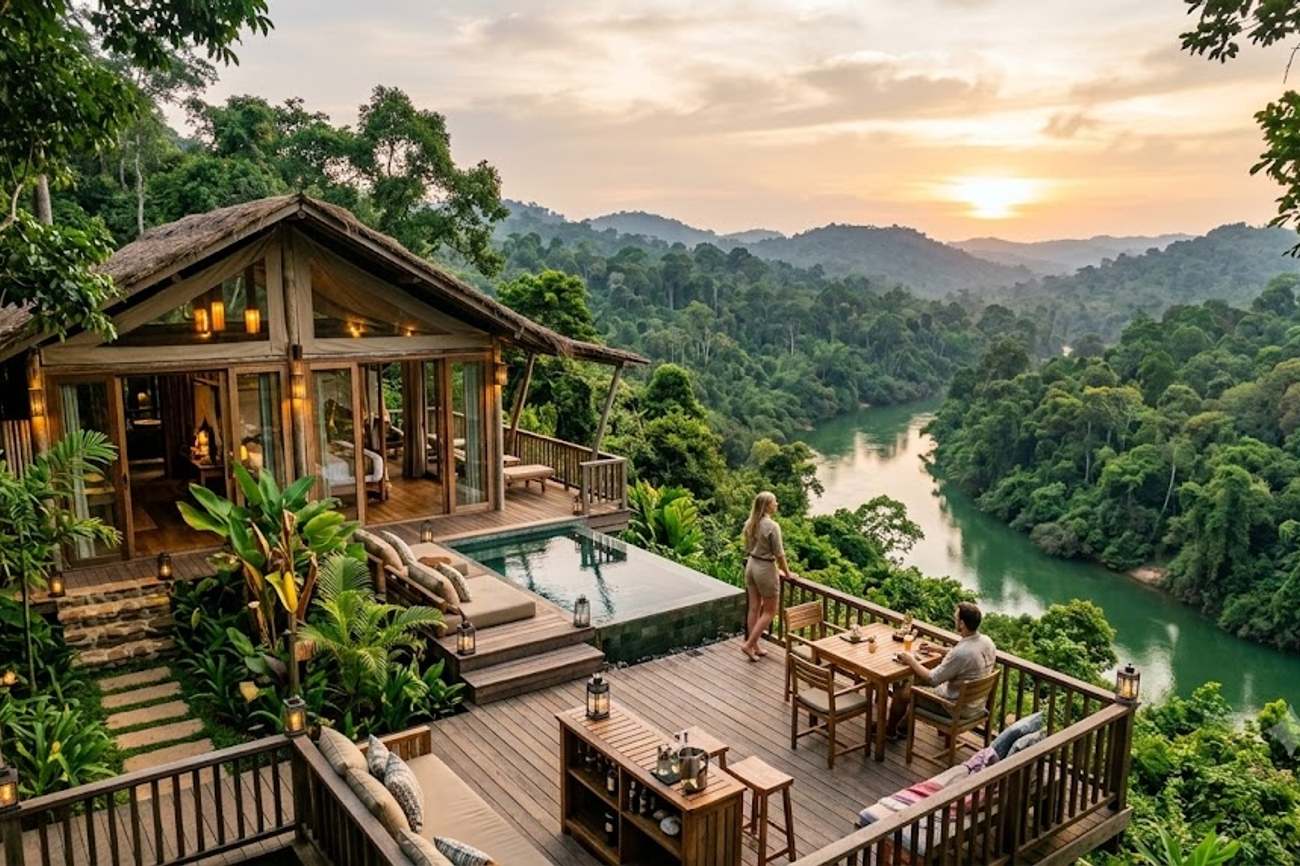
Image generated by AI
title: Beyond the Capital: Navigating the Diverse Urban and Natural Rhythms of Bulgaria description: An insider's guide to Bulgaria's 20 most compelling cities and towns, from the wine cellars of Melnik to the Roman ruins of Plovdiv.
Most visitors to Bulgaria treat Sofia as a brief stopover, yet the country's true character is revealed in places like Melnik, a tiny southwestern enclave where the architecture is carved into sandstone and the local economy revolves entirely around ancient viticulture. While the capital serves as a convenient hub, the real pulse of the region beats in the Roman amphitheatres of Plovdiv and the cliffside fortresses of Veliko Tarnovo.
The Shift Toward Regional Exploration
For years, Bulgarian tourism was split between the urban sophistication of Sofia and the high-density beach resorts of the Black Sea. However, there is a noticeable shift toward "slow travel" across 20 specific urban centers that offer a more nuanced look at the Balkan identity. From the Austrian-influenced facades of Ruse on the Danube to the mineral-rich springs of Velingrad, the current trend is about diversifying the itinerary. Travelers are no longer just visiting the coast; they are venturing into the interior to find military history in Yambol, medieval fortifications in Pernik, and Neolithic dwellings in Stara Zagora.
This movement away from the primary hubs allows for a seasonal approach to the country. The long, scorching summers are best spent in the coastal breeze of Varna or Burgas, while the crisp autumns are ideal for the wine trails of Melnik. When winter hits, the focus shifts to the skiing slopes of the mountain regions or the therapeutic thermal waters of Velingrad, which boasts approximately 80 mineral springs.
What Makes Bulgaria’s Urban Centers Unique
The diversity of the Bulgarian experience lies in its layers. In Plovdiv, you aren't just visiting a city; you are walking through a living museum. Built across seven hills, it manages to balance a Roman Stadium and Forum with a vibrant, contemporary arts scene and the colorful wooden houses of the National Revival period. It is one of the few places where you can watch a performance in a Roman Amphitheatre and then walk five minutes to a modern gallery.
Contrast this with Veliko Tarnovo, the former medieval capital. The city is defined by the Yantra River, which carves deep gorges around the town, creating a dramatic backdrop for the old fortresses. The experience here is more rugged and atmospheric, extending to the nearby Devetashka Cave and Emen Canyon.
On the coast, the distinction between destinations is sharp. Varna is the "Maritime Capital," blending a lively promenade and Roman Baths with a sophisticated urban feel. Burgas offers a more relaxed pace, centered around the Sea Garden and archaeological collections that span millennia. Then there is the architectural contrast of Sozopol and Nessebar. Sozopol feels like a village frozen in time, with 2,500 years of history etched into its narrow streets. Nessebar, however, is a masterpiece of urban planning; its Old Town sits on a peninsula connected by a narrow causeway, creating a concentrated zone of frescoes and religious art that has earned it a place as a UNESCO World Heritage Site.
For those who prefer the mountains, the experience shifts from history to adrenaline. Vratsa is the gateway to the Vrachanski Balkan National Park, where the Ledenika Cave provides an acoustic experience unlike any other. Meanwhile, Sliven offers a gateway to the Blue Stones National Park, where the terrain is defined by waterfalls and jagged rock formations.
Visitor Insider Tips
To experience Bulgaria like a local, you must move beyond the primary tourist circuits.
Timing and Crowds: If you are visiting the Black Sea, avoid the peak July-August window when the resorts are overcrowded. Instead, aim for September. The water remains warm, and the Apolonia Festival in Sozopol brings a sophisticated cultural layer to the coast just as the crowds dissipate. For the mountains, late October offers the best colors for hiking in the Blue Stones National Park.
Local Etiquette and Interaction: When visiting religious sites, such as the Rila Monastery or the Church of the Dormition in Pazardzhik, dress modestly. In smaller towns like Melnik or Pernik, a few words of Bulgarian go a long way. While English is common in Sofia and Plovdiv, the residents of smaller towns appreciate the effort of a "Dobro utro" (Good morning).
Regional Specialties: Do not leave Melnik without trying the local broad-leafed wine. The Kordopulov House is the place to start, but the real experience is found in the smaller, family-run cellars. In the mountain regions, look for slow-cooked meats and wild mushroom dishes, which are staples of the highland diet.
Transport Hacks: While renting a car is the best way to reach places like the Rozhen Monastery or the Madara Rider, the train system is an affordable way to move between major hubs like Sofia, Plovdiv, and Varna. For the most efficient planning, check the official Bulgarian tourism portal for regional transit updates.
Cultural and Environmental Context
Tourism in Bulgaria is currently navigating a delicate balance between modernization and preservation. In cities like Plovdiv and Nessebar, the challenge is managing the influx of visitors without eroding the authenticity of the Old Towns. The "museumification" of these areas is a constant risk, where traditional homes are converted into souvenir shops. However, the rise of cultural festivals and arts-focused tourism in Plovdiv has helped maintain a living, breathing community rather than a static exhibit.
Environmentally, the focus has shifted toward the protection of the Balkan Mountains. The Vrachanski Balkan and Blue Stones National Parks are not just tourist attractions; they are critical biodiversity corridors. The increase in hiking and cycling tourism has put pressure on these trails, leading to more regulated access to sensitive areas like Ledenika Cave to prevent the degradation of stalactites and stalagmites.
In the coastal regions, the contrast between the mass-market "sun and sea" resorts and the historic cores of Sozopol and Nessebar highlights a tension in Bulgarian tourism. The goal is to pivot away from low-cost seasonal tourism toward high-value cultural tourism that encourages visitors to stay longer and explore the interior, thereby distributing the economic benefits more evenly across the country.
FAQ: Visiting Bulgaria 2025
What is the best time to visit? For beaches and festivals, September is ideal. For skiing and wellness in Velingrad, January and February are best. For hiking in the Balkan Mountains or exploring Plovdiv’s ruins, May and June offer the most pleasant temperatures.
Do I need a visa? Bulgaria is a member of the European Union and joined the Schengen Area (for air and sea travel) in 2024. Visitors from the US, Canada, and UK generally do not need a visa for short stays.
How do I get to the regional towns from Sofia? Plovdiv and Pernik are easily accessible via train or bus. For more remote spots like Melnik or Veliko Tarnovo, renting a car is highly recommended to navigate the mountain roads and reach rural monasteries.
Is it safe for solo travelers? Yes, Bulgaria is generally very safe. Major cities have a strong tourist infrastructure. In smaller towns, the locals are typically welcoming, though standard urban precautions regarding belongings should be taken in crowded areas of Sofia.
Leave the capital behind and let the sandstone cliffs of the southwest tell you the real story of the Balkans.
#BulgariaTravel2025 #PlovdivHeritage #BlackSeaCulture #BalkanMountains #VisitBulgaria
Related Travel Guides
Disclaimer
This article is for informational and educational purposes only. It does not constitute legal, financial, or professional advice. While we strive to provide accurate and up-to-date information, travel policies, regulations, and conditions change rapidly. Always verify information with official sources before making travel decisions. Nomad Lawyer makes no representations about the accuracy, reliability, completeness, or suitability of the information provided. Readers should consult qualified professionals for advice specific to their circumstances. The views expressed in this article are those of the author and do not necessarily reflect the views of Nomad Lawyer.
Raushan Kumar
Founder & Lead Developer
Full-stack developer with 11+ years of experience and a passionate traveller. Raushan built Nomad Lawyer from the ground up with a vision to create the best travel and law experience on the web.
Learn more about our team →