
Goa Monsoon Tourism 2026: Transitioning from Beach Parties to Eco-Adventure Paradises
Experience the transformation of Goa in 2026 as monsoon rains shift the tourism focus from crowded beaches to lush forests, powerful waterfalls, and sustainable eco-tourism.

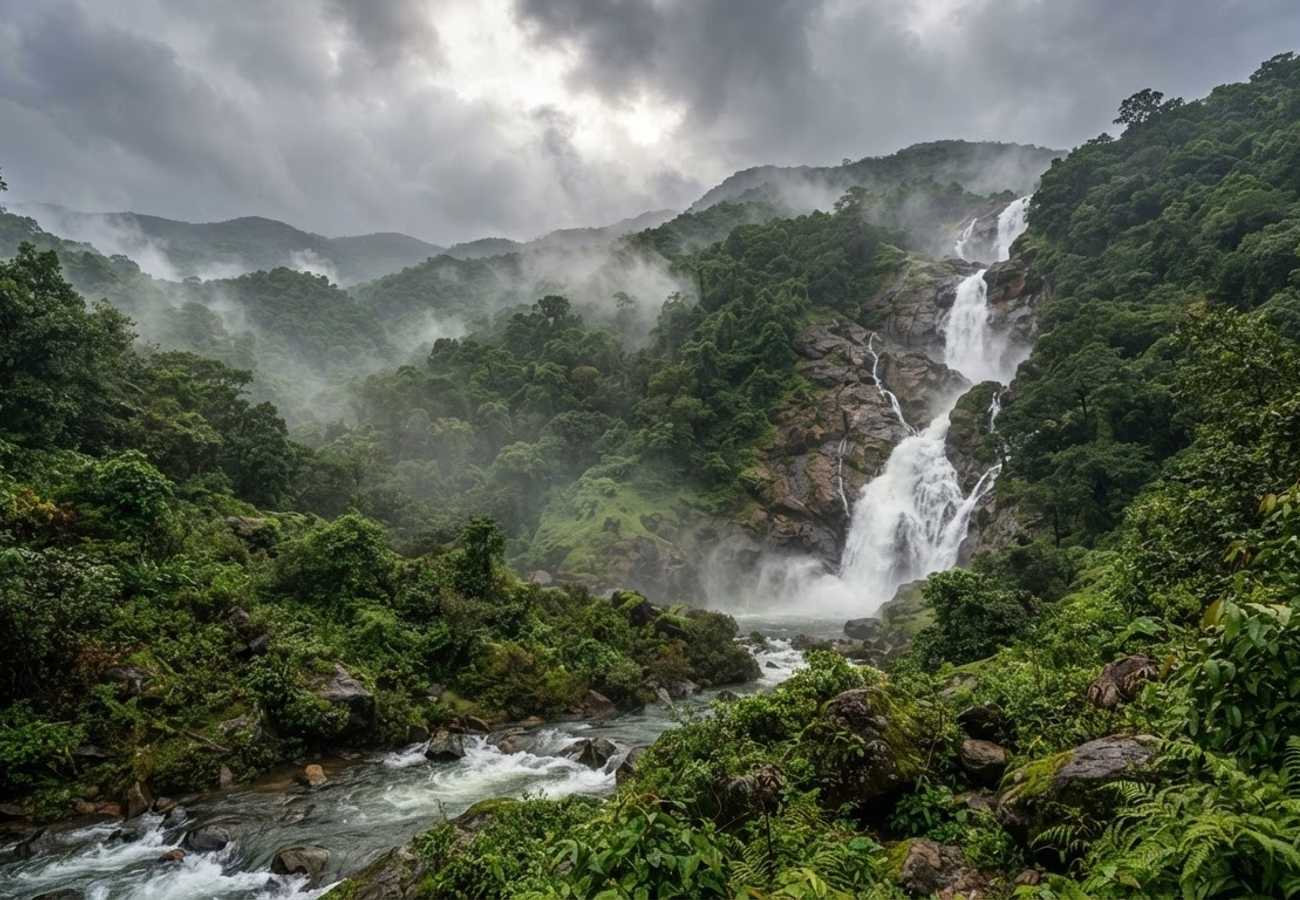
Image generated by AI
The traditional image of Goa as a sun-drenched beach party hub is being replaced by a surge in "green tourism." By August 2026, the state has pivoted toward a high-value, low-impact model where the monsoon rains transform the region into a verdant sanctuary for adventure seekers and cultural purists.
The Shift Toward Green Tourism
For years, Goa's identity was tethered to its coastline. However, a distinct trend has emerged: the "Monsoon Migration." Travelers are now bypassing the peak summer heat to witness the state's radical reinvention. When the rains hit, the tropical persona of Goa shifts from gold to emerald. The forests, coconut plantations, and paddy fields undergo a vibrant revival, turning the countryside into a series of mist-covered valleys and flowing streams.
This transition is not merely aesthetic. It represents a move toward slower travel. The reduction in beach crowds allows for a more intimate engagement with the land, where the focus shifts from commercial hubs to rural villages and agricultural heartlands.
Waterfalls and Wilderness: The Monsoon Peak
The most dramatic evidence of this seasonal shift is found in the state's hydrology. During the monsoon, Goa's waterfalls reach their most spectacular stage, with increased rainfall filling rivers and creating powerful cascades.
The Dudhsagar Falls, situated on the Goa-Karnataka border, remains the crown jewel of this experience. The sight of water rushing down rocky cliffs within a dense forest provides a scale of grandeur that is absent during the drier months. Beyond the primary attraction, sites like Harvalem Falls and Tambdi Surla Falls offer a more secluded experience for photographers and nature enthusiasts.
For the visitor, the real impact is the sensory shift. The air is cooler, the humidity is balanced by frequent rain, and the soundscape is dominated by rushing water rather than beach clubs.
Cultural Immersion and Sustainable Exploration
The rainy season provides a rare window into the authentic Goan lifestyle. With the commercial pressure of summer tourism lifted, the state's cultural identity becomes more accessible.
Visitors are increasingly engaging with:
- Rural Agritourism: Exploring spice farms and traditional paddy fields that are at their most productive during the rains.
- Heritage Architecture: Visiting historic forts and churches where the grey, cloudy skies provide a dramatic backdrop for photography.
- Local Gastronomy: Sampling authentic Goan cuisine in village settings, where the experience is more personal and less curated for mass tourism.
This movement supports local economies by diverting tourist spend from the coastal belt into the interior villages, fostering a more sustainable distribution of wealth within the region.
Visitor Insider Tips
To make the most of a monsoon visit, travelers should look beyond the standard itineraries:
- The Optimal Window: Visit between late June and August to catch the landscapes at their peak vibrancy.
- Transport Strategy: Rent a 4x4 or hire a local driver for road trips. The most scenic routes are often the narrow, winding roads through the Western Ghats, which can be challenging for standard rentals.
- Safety Protocol: Always monitor local weather alerts. Heavy rainfall can cause sudden surges in waterfall water levels; stick to designated paths and follow guidelines from regional conservation bodies.
- Hidden Gem: Seek out the smaller, unnamed streams in the hinterlands for a more private experience than the crowded Dudhsagar area.
- Cultural Etiquette: When visiting traditional villages, dress modestly and ask permission before photographing residents in their homes.
Tourism Outlook
The long-term trajectory for Goa is a move toward year-round viability. By positioning the monsoon as a premium "eco-season," the state is reducing its reliance on the winter peak. This diversification protects the environment from the wear-and-tear of extreme seasonal overcrowding and encourages the preservation of its forests and wildlife areas.
The integration of bird watching, trekking, and river cruises into the monsoon package ensures that Goa remains a competitive destination for the conscious traveler of 2026 and beyond.
Goa is no longer just a beach destination; it is a seasonal masterpiece of nature.
Related Travel Guides
Disclaimer
This article is for informational and educational purposes only. It does not constitute legal, financial, or professional advice. While we strive to provide accurate and up-to-date information, travel policies, regulations, and conditions change rapidly. Always verify information with official sources before making travel decisions. Nomad Lawyer makes no representations about the accuracy, reliability, completeness, or suitability of the information provided. Readers should consult qualified professionals for advice specific to their circumstances. The views expressed in this article are those of the author and do not necessarily reflect the views of Nomad Lawyer.
Raushan Kumar
Founder & Lead Developer
Full-stack developer with 11+ years of experience and a passionate traveller. Raushan built Nomad Lawyer from the ground up with a vision to create the best travel and law experience on the web.
Learn more about our team →