
Global Powers Demand Iran-US Ceasefire to Save Middle East Travel Economy
A coalition of global powers, led by China and Germany, is demanding an urgent halt to Iran-US military strikes to prevent the catastrophic collapse of the Middle East's tourism and travel industries.

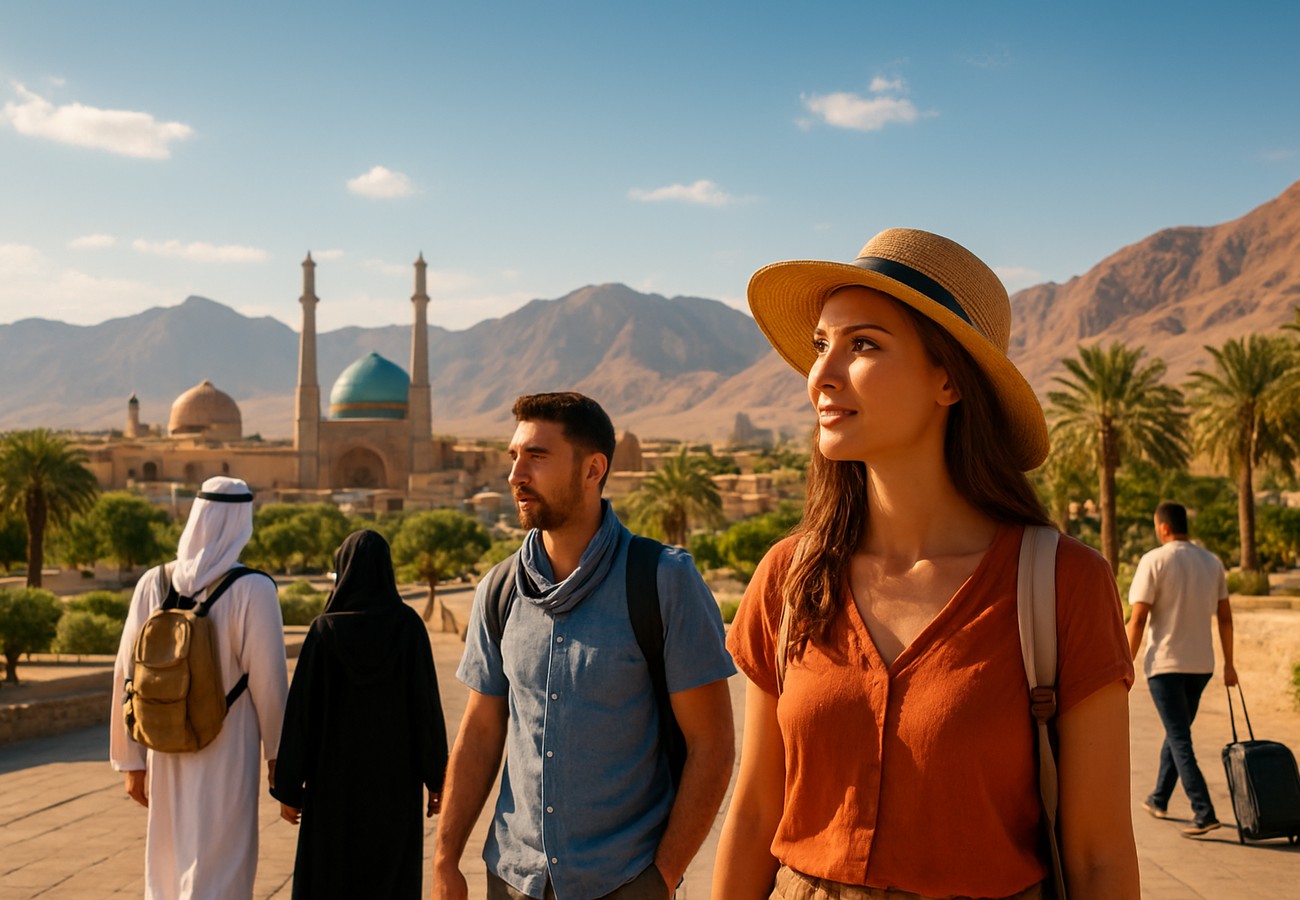
Image generated by AI
Quick Summary
- Unified Demand: China, Germany, Australia, Oman, France, UAE, and Russia have formed a coalition demanding an immediate freeze on Iran-US military strikes.
- Economic Crisis: The ongoing violence has caused a "catastrophic decline" in regional tourism, threatening years of economic diversification in the Gulf.
- Infrastructure Collapse: Air travel, hospitality, and maritime trade routes (specifically the Strait of Hormuz) are facing unprecedented disruptions.
- Tourism Exodus: Hubs like Dubai and Abu Dhabi are reporting a significant exodus of international visitors as safety concerns and flight cancellations mount.
The Middle East's vital travel and tourism sectors are facing an unparalleled structural crisis in May 2026. A powerful coalition of global powers, led by diplomatic heavyweights China and Germany, has issued an urgent plea for the immediate de-escalation of hostilities between Iran and the United States. This collective demand is driven by the visible collapse of the region's tourism infrastructure, which serves as a critical economic lifeline for nations across the Persian Gulf and Levant. With international arrivals plummeting and flight corridors increasingly compromised, the coalition is warning that the region's economic recovery could be set back by a decade. From the luxury resorts of the UAE to the historical sites of Jordan, the "tourism exodus" is creating a ripple effect that is being felt in global markets, prompting an aggressive push for a negotiated settlement to restore regional stability and protect vital trade routes.
Global Coalition Demanding Iran-US De-escalation: Key National Concerns
The following table summarizes the diplomatic stances and primary economic fears of the coalition nations.
| Nation | Primary Diplomatic Role | Key Economic Concern |
|---|---|---|
| China | Mediator & Coordinator | Strait of Hormuz Blockade & Oil Flow |
| Germany | EU Policy Influencer | Global Oil Trade & Humanitarian Toll |
| UAE | Regional Tourism Hub | Exodus of Tourists from Dubai/Abu Dhabi |
| Australia | Vocal Critic of Violence | Long-term Downturn in Tourism Revenues |
| Oman | Neutral Mediator | Disruption of Regional Hospitality Networks |
| France | Multilateral Peace Advocate | Regional Economic Growth Stagnation |
| Russia | Diplomatic & Military Power | Full-Scale Conflict & Regional Instability |
China and Germany: Leading the Diplomatic Push for Regional Stability
China and Germany are anchoring the international effort to freeze military actions:
- Chinese Mediation: Foreign Minister Wang Yi has conducted direct talks with Tehran, emphasizing that the conflict threatens the $3 trillion global trade corridor passing through the Gulf.
- German Advocacy: Chancellor Angela Merkel has called for a comprehensive peace agreement, noting that the "humanitarian and economic toll" of the strikes is becoming unbearable for regional neighbors.
- Shared Priority: Both nations are focusing on the restoration of safe passage for commercial vessels and aircraft as a prerequisite for any long-term stability.
Economic Catastrophe: The Collapse of Middle Eastern Tourism Infrastructure
The impact on the hospitality sector is described as "unprecedented":
- Dubai/Abu Dhabi Exodus: As two of the world’s leading tourist destinations, the UAE's hubs have seen a massive departure of international visitors due to the proximity of strikes.
- GDP Vulnerability: With tourism accounting for a significant portion of the UAE's GDP, the government warns that continued violence will lead to a prolonged economic depression.
- Infrastructure Damage: Beyond direct hits, the "soft infrastructure" of traveler confidence has been shattered, leading to mass cancellations for the remainder of the 2026 season.
Maritime Security: The Strait of Hormuz Blockade and Global Trade
The blockade of the world's most vital maritime chokepoint is a central point of contention:
- Iranian Control: Iran’s enforcement of tolls and blockade tactics has sent shockwaves through the global oil market, indirectly driving up travel costs worldwide.
- Tourism Impact: The blockade has effectively halted the 2026 cruise season in the Persian Gulf, leaving luxury ports deserted and several multi-national operators in financial distress.
- Coalition Demand: China and Russia are specifically demanding the "de-weaponization" of the strait to ensure that global energy and tourism supplies remain uninterrupted.
National Perspectives: Australia, France, and the Omani Mediation
The coalition includes diverse global voices:
- Australian Warning: Foreign Minister Penny Wong has warned that the region’s hospitality sector could face years of slow recovery if a ceasefire is not implemented immediately.
- French Diplomacy: President Emmanuel Macron is urging both Washington and Tehran to prioritize peace over military escalation to allow for the recovery of regional air travel.
- Oman’s Neutrality: The Omani Sultan remains the key mediator, working behind the scenes to facilitate a direct dialogue between the two warring parties.
The Role of Diplomacy: Restoring Confidence in Regional Travel
The coalition recognizes that a military halt is only the first step:
- Safety Guarantees: A key proposal involves creating "Safe Travel Corridors" that are internationally monitored and off-limits for military engagement.
- Economic Stabilization: Multilateral agencies are being mobilized to provide support for the regional tourism workforce, which has been decimated by the exodus of visitors.
- Restoring Trust: The final goal of the coalition is to rebuild the Middle East's image as a safe and stable global hub, a task that will require years of sustained diplomatic effort.
FAQ: Iran-US Conflict and Middle East Travel Alert
How has the Iran-US conflict affected tourism in Dubai and Abu Dhabi? The conflict has led to a massive exodus of international tourists and a sharp decline in forward bookings as safety concerns and regional strikes mount.
What is the impact of the Strait of Hormuz blockade on travel? The blockade has disrupted global oil supplies, leading to higher fuel prices and airfares, while also effectively ending the 2026 Persian Gulf cruise season.
Which countries are demanding a ceasefire? A global coalition including China, Germany, Australia, Oman, France, UAE, and Russia is calling for an immediate halt to military strikes.
Related Travel Guides
Disclaimer
This article is for informational and educational purposes only. It does not constitute legal, financial, or professional advice. While we strive to provide accurate and up-to-date information, travel policies, regulations, and conditions change rapidly. Always verify information with official sources before making travel decisions. Nomad Lawyer makes no representations about the accuracy, reliability, completeness, or suitability of the information provided. Readers should consult qualified professionals for advice specific to their circumstances. The views expressed in this article are those of the author and do not necessarily reflect the views of Nomad Lawyer.
Kunal K Choudhary
Co-Founder & Contributor
A passionate traveller and tech enthusiast. Kunal contributes to the vision and growth of Nomad Lawyer, bringing fresh perspectives and driving the community forward.
Learn more about our team →