
Strait of Hormuz Travel Alert 2026: Iran Enforces New Vessel Passage Fees and Tolls
Iran has officially begun enforcing mandatory passage fees and registration for all vessels transiting the Strait of Hormuz, triggering a global energy crisis and rising travel costs across 40+ nations.

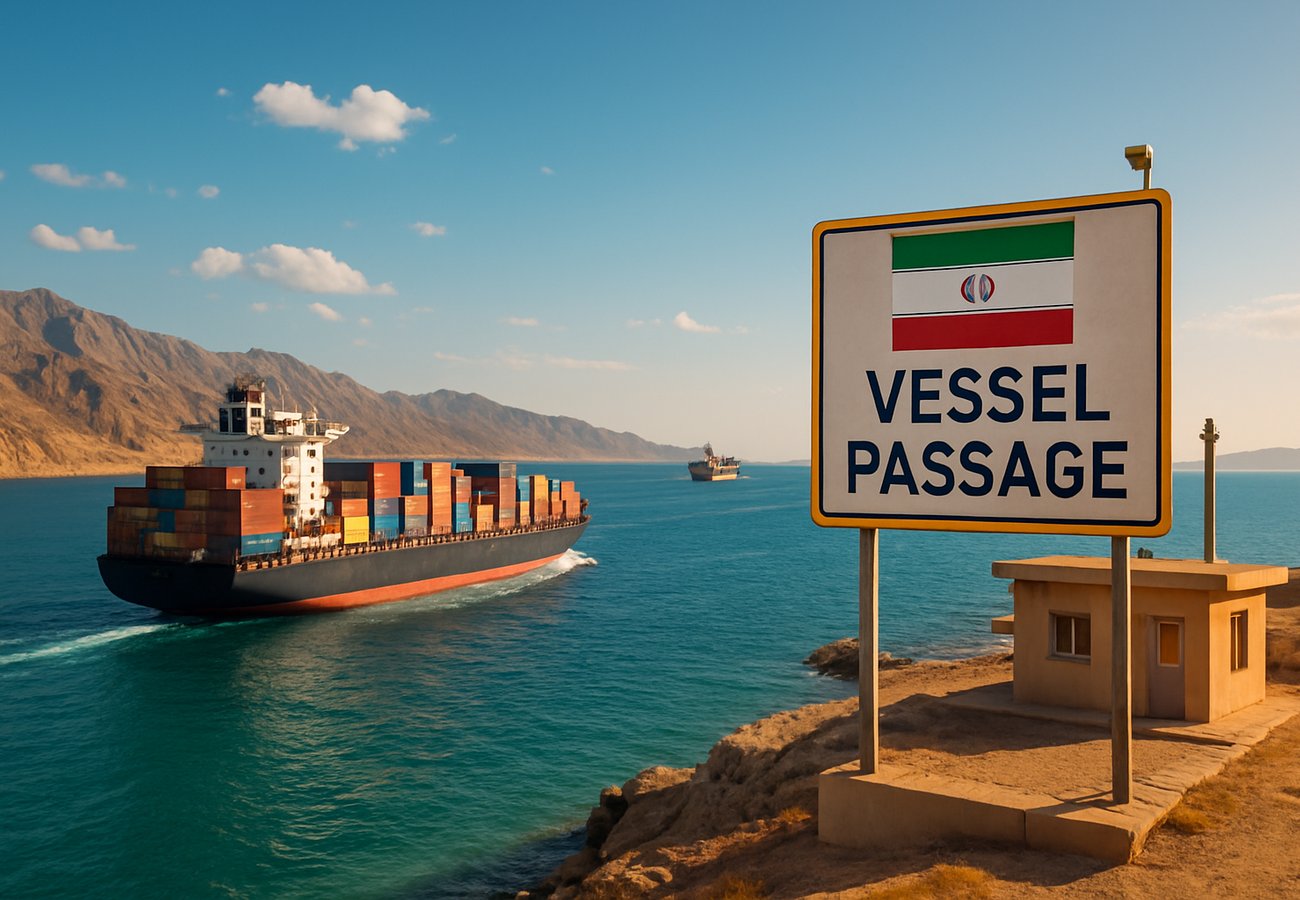
Image generated by AI
Quick Summary
- Mandatory Tolls: Iran’s Persian Gulf Strait Authority is now enforcing new passage fees and registration requirements for all commercial vessels in the Strait of Hormuz.
- Global Impact: Over 40 countries, including Japan, Georgia, Thailand, and Singapore, are facing disrupted energy flows and skyrocketing shipping costs.
- Energy Crisis: The move has shattered the stability of Crude Oil, LNG, and LPG shipments, which account for nearly one-fifth of the world’s daily oil passage.
- Travel Surcharge: Travelers are bracing for higher airfares and increased tourism costs as airlines and tour operators pass on rising fuel expenses.
The Strait of Hormuz, the world’s most critical maritime chokepoint, has been placed under a new restrictive regulatory regime as of May 6, 2026. Iran has officially launched a system of mandatory vessel tolls and registration protocols, fundamentally altering the economics of global shipping and energy transport. This move affects nearly every major economy in Asia and the Mediterranean, with landlocked nations like Georgia and Armenia also feeling the indirect sting of rising fuel prices and logistical delays. For the aviation and tourism sectors, the enforcement of these fees means an immediate increase in operational costs. Airlines, already navigating regional airspace closures, are now implementing emergency fuel surcharges on long-haul routes to Asia and the Middle East. As global supply chains adjust to this "toll-gate" in the Persian Gulf, the cost of international travel and essential goods is projected to remain on an upward trajectory throughout 2026.
Strait of Hormuz Toll System May 2026: Impacted Sectors and Nations
The following table summarizes the immediate effects of the new maritime regulations on various global sectors.
| Sector | Nature of Impact | Key Nations Affected |
|---|---|---|
| Aviation | Higher Airfares (Fuel Surcharges) | Global Hubs (Singapore, UAE, Qatar) |
| Energy | Crude Oil, LNG, & LPG Price Hikes | Japan, South Korea, Thailand, India |
| Tourism | Increased Cost of Travel & Lodging | Maldives, Cyprus, Jordan, Georgia |
| Shipping | Operational Delays & Toll Costs | Brunei, Malaysia, Indonesia, Kuwait |
| Trade | Inflationary Pressure on Goods | Bangladesh, Israel, Armenia, Nepal |
| Logistics | Supply Chain Bottlenecks | Kazakhstan, Myanmar, Cambodia |
The New Regulatory Framework: Iran’s Persian Gulf Strait Authority
The implementation of the new toll system is overseen by a specialized maritime body:
- Registration Mandate: All vessels transiting the strait must now pre-register with the Persian Gulf Strait Authority, providing detailed cargo and destination data.
- Variable Tolls: Fees are reportedly based on vessel tonnage and cargo type, with oil tankers and LNG carriers facing the highest tier of levies.
- Enforcement: Iranian maritime patrols have increased presence to ensure compliance, leading to potential boarding and inspection delays.
Global Energy Disruption: Impacts on Crude Oil, LNG, and LPG Flows
The Strait of Hormuz facilitates approximately 21 million barrels of oil per day, making it the world's most vital energy artery:
- Japan’s Challenge: As a nation that imports 90% of its energy, Japan is facing severe inflationary pressure as shipping companies pass on the new toll costs.
- South Asian Strain: Countries like Bangladesh and Nepal are reporting immediate fuel price hikes at the pump, impacting industrial production and daily transport.
- LNG Shortages: Significant delays in LNG shipments are being reported in Mediterranean hubs, including Cyprus, where energy costs are already at record highs.
Aviation and Tourism Impact: Rising Airfares and Travel Costs
The "Hormuz Toll" is having a direct effect on the cost of international tourism:
- Fuel Surcharges: Major carriers are adjusting their pricing models to compensate for the rising cost of jet fuel, which is directly linked to the instability in the Persian Gulf.
- Maldives at Risk: As a destination heavily reliant on affordable air travel, the Maldives is seeing a decline in forward bookings as travelers balk at rising ticket prices.
- Inland Tourism: In nations like Georgia and Jordan, the increased cost of importing hospitality supplies via sea routes is driving up hotel and restaurant prices.
National Case Studies: Japan, UAE, and Mediterranean Shipping Hubs
Specific regional hubs are seeing unique challenges:
- Israel: While not directly dependent on the strait for oil, Israel is facing skyrocketed shipping fees for general consumer goods transiting the region.
- Brunei & Malaysia: As oil exporters, these nations are seeing their profit margins squeezed by the added operational costs of transiting the strait.
- Oman: Despite its strategic location, Oman is facing higher domestic energy prices as it remains integrated into the global maritime trade network.
Strategic Implications: Higher Operational Costs and Supply Chain Delays
The maritime industry is bracing for a long-term shift in global logistics:
- Alternative Routes: Some shipping lines are exploring the much longer route around the Cape of Good Hope, which adds weeks to delivery times and further increases carbon emissions.
- Logistical Bottlenecks: The new registration requirements have created a backlog of vessels at the entrance of the strait, leading to "maritime traffic jams."
- Inflationary Ripple: From manufacturing in Cambodia to retail in Armenia, the "Hormuz Surcharge" is being felt in the price of everyday consumer electronics and food items.
FAQ: Strait of Hormuz Vessel Tolls 2026
How much are the new tolls for the Strait of Hormuz? While exact figures are based on vessel tonnage, reports suggest significant levies on oil and LNG carriers, overseen by the Persian Gulf Strait Authority.
How will this affect my flight prices to Asia? Travelers should expect higher airfares as airlines implement fuel surcharges to offset the rising cost of energy caused by the maritime disruptions.
Which countries are most affected by the new fees? Over 40 countries, including Japan, Thailand, Singapore, and Georgia, are facing direct or indirect economic challenges due to the tolls.
Related Travel Guides
Disclaimer
This article is for informational and educational purposes only. It does not constitute legal, financial, or professional advice. While we strive to provide accurate and up-to-date information, travel policies, regulations, and conditions change rapidly. Always verify information with official sources before making travel decisions. Nomad Lawyer makes no representations about the accuracy, reliability, completeness, or suitability of the information provided. Readers should consult qualified professionals for advice specific to their circumstances. The views expressed in this article are those of the author and do not necessarily reflect the views of Nomad Lawyer.
Kunal K Choudhary
Co-Founder & Contributor
A passionate traveller and tech enthusiast. Kunal contributes to the vision and growth of Nomad Lawyer, bringing fresh perspectives and driving the community forward.
Learn more about our team →