
The Rise of Farm-to-Cup Travel: A Global Guide to Coffee Tourism
Coffee has transitioned from a morning routine to a primary travel motivator. From Panama's rare Geisha beans to Ethiopia's ancient highlands, "farm-to-cup" i

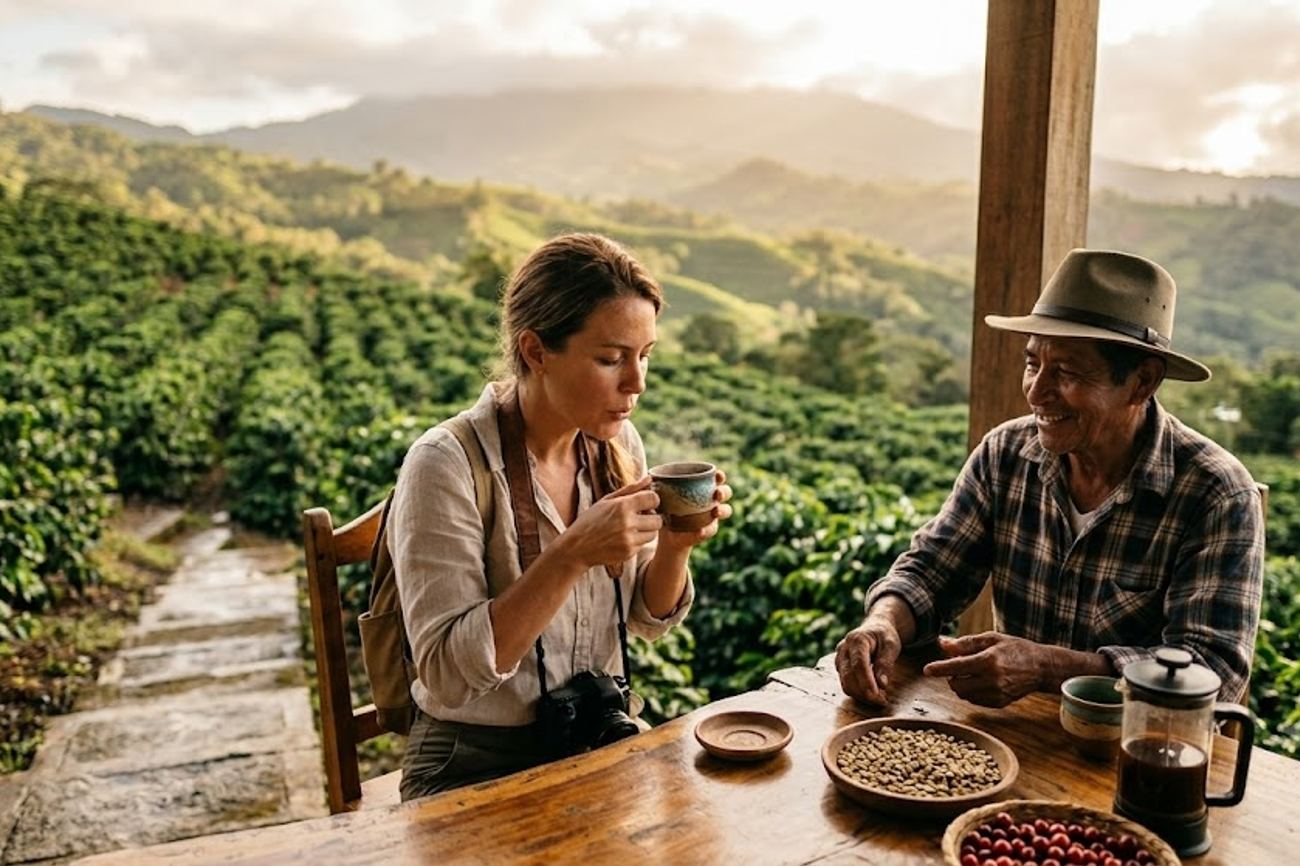
Image generated by AI
The Evolution of Coffee-Centric Itineraries
Travel patterns are shifting away from traditional monument-hopping toward immersive, agricultural experiences. Modern travelers are increasingly designing trips around the origin and cultivation of specialty brews, transforming the beverage industry into a robust tourism sector.
This movement highlights the journey from raw coffee cherries to the final brew. Key destinations now lead this trend by offering deep dives into their specific agricultural heritage:
- Colombia: The UNESCO-listed Coffee Triangle remains a premier hub for plantation tours.
- Ethiopia: Ancient highlands provide a look at the birthplace of coffee and traditional ceremonies.
- Panama: Regions like Boquete and Volcán are world-renowned for the cultivation of rare Geisha beans.
- Costa Rica: A leader in sustainable, shade-grown farming techniques.
Economic and Cultural Impact on Origin Regions
Coffee tourism bridges the gap between the global consumer and the primary producer. By visiting regions such as Hawaii’s Kona district or Guatemala’s Lake Atitlán, travelers witness how volcanic soils and specific microclimates create distinct flavor profiles.
This direct engagement shifts the perception of coffee from a commodity to a crafted art form. The economic benefits are significant, as revenue flows directly into:
- Family-run coffee estates.
- Regional cooperatives.
- Boutique roasting operations.
Balancing Growth with Ecological Preservation
As the demand for specialty coffee experiences grows, industry analysts emphasize the need for sustainable visitor management. The goal is to satisfy connoisseurs without damaging the fragile ecosystems required for high-grade arabica.
To mitigate environmental impact, estates in Panama have implemented controlled-access tours. This ensures crop health while allowing visitors to study high-value bean production.
Interestingly, the trend extends to non-producing cities. Melbourne, Australia, has become a global coffee destination not through farming, but by perfecting the "third wave" of coffee via advanced barista techniques and a vibrant independent café culture.
Strategic Planning for Coffee Travelers
Timing is the most critical factor for those seeking an authentic experience. Coordinating visits with local harvest periods allows travelers to participate in cherry picking and processing.
| Destination | Key Feature | Travel Consideration |
|---|---|---|
| Colombia (Eje Cafetero) | Established infrastructure | Guided plantation tours |
| Ethiopia | Traditional ceremonies | Rural highland navigation |
| Panama (Boquete/Volcán) | Rare Geisha beans | Estate tasting reservations |
| Hawaii (Kona) | Volcanic soil profiles | Domestic estate exploration |
From Industrial Export to Educational Tourism
The industry has undergone a fundamental shift in philosophy. Previous models focused on mass production and industrial export volumes, often keeping farming regions closed to the public.
Today's model prioritizes transparency and traceability. The integration of UNESCO-backed heritage recognition and direct-trade initiatives has allowed origin countries to monetize their cultural landscapes. This shift provides a structured educational framework that benefits both the agrarian population and the international traveler.
Key Takeaways
- Shift in Demand: Travel is moving toward "origin experiences" where the agricultural process is the main attraction.
- Economic Directness: Tourism provides a vital revenue stream for small-scale farmers and regional cooperatives.
- Sustainability Focus: Controlled access and shade-grown methods are essential to protect fragile growing zones.
- Diversified Hubs: Both producing regions (Colombia, Ethiopia) and consumption hubs (Melbourne) offer unique value to coffee tourists.
FAQ
When is the best time to visit coffee farms? Visitors should align their trips with local harvesting schedules to see the picking and processing of coffee cherries firsthand.
What is the "Coffee Triangle"? Located in Colombia, the Coffee Triangle (Eje Cafetero) is a UNESCO-listed region famous for its high-quality coffee production and established tourism infrastructure.
Can you experience coffee tourism in cities that don't grow coffee? Yes. Cities like Melbourne have built a tourism draw based on roasting innovation, café culture, and professional barista artistry.
Related Travel Guides
Disclaimer
This article is for informational and educational purposes only. It does not constitute legal, financial, or professional advice. While we strive to provide accurate and up-to-date information, travel policies, regulations, and conditions change rapidly. Always verify information with official sources before making travel decisions. Nomad Lawyer makes no representations about the accuracy, reliability, completeness, or suitability of the information provided. Readers should consult qualified professionals for advice specific to their circumstances. The views expressed in this article are those of the author and do not necessarily reflect the views of Nomad Lawyer.
Preeti Gunjan
Contributor & Community Manager
A passionate traveller and community builder. Preeti helps grow the Nomad Lawyer community, fostering engagement and bringing the reader experience to life.
Learn more about our team →