
Glacier National Park Grizzly Attack 2026: Fatal Encounter Reveals Bear Spray Limitations
A board of review report detailing the fatal grizzly attack on Anthony Pollio in Glacier National Park highlights the dangers of night hiking and the limits of bear spray.

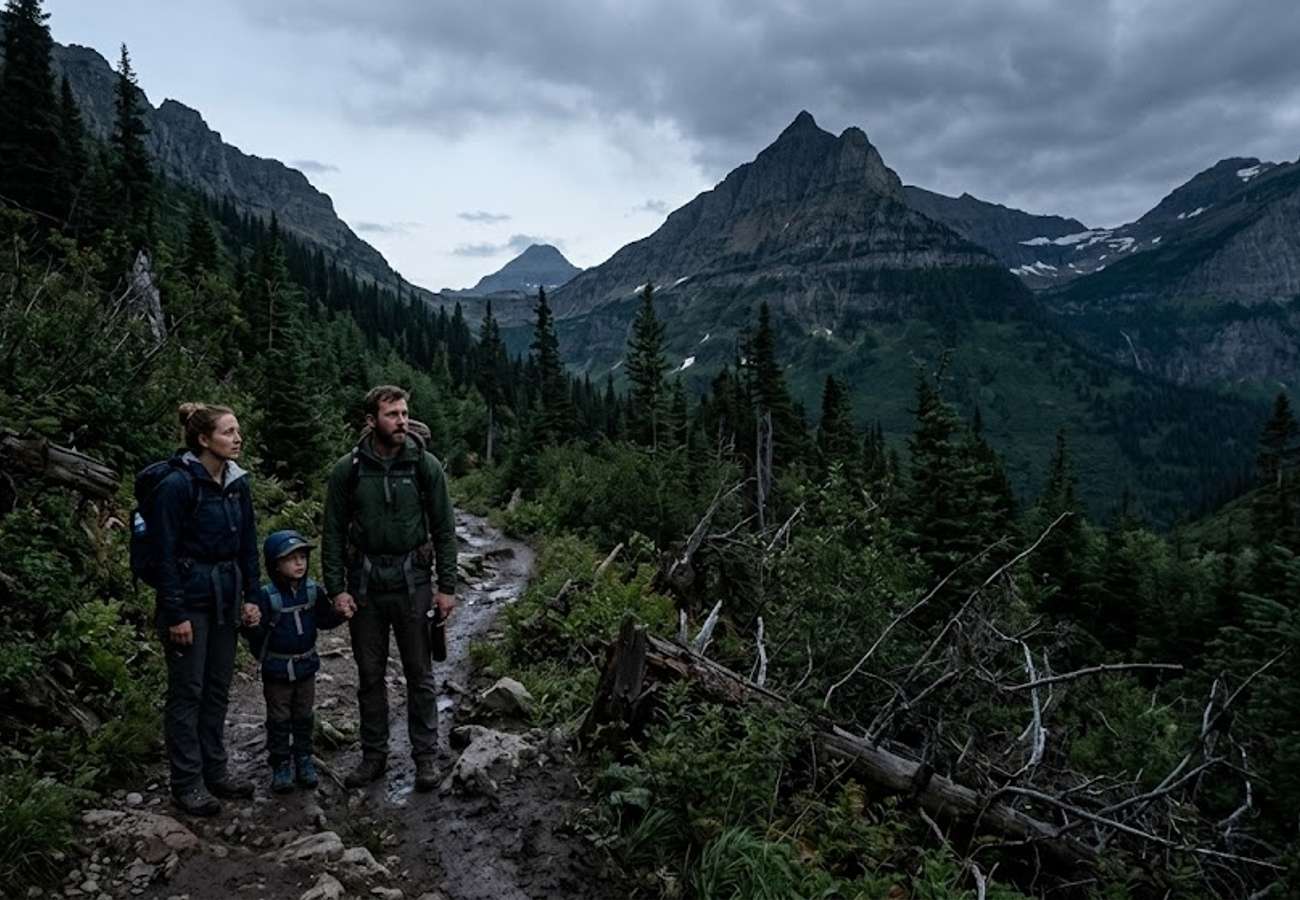
Image generated by AI
A detailed board of review report has uncovered new evidence regarding the fatal grizzly bear encounter that killed 33-year-old Anthony Pollio in early May 2026.
The incident occurred near Mount Brown Lookout in Glacier National Park. While the victim was equipped with deterrents, the report emphasizes that environmental factors and timing significantly increased the risk of a surprise encounter.
Sequence of Events: The Mount Brown Encounter
Anthony Pollio entered Glacier National Park on May 3 as part of a multi-day road trip. At approximately 6:30 p.m., he began a 5.1-mile hike to Mount Brown Lookout to view the sunset.
Industry observers note that the timing of his return journey created a high-risk scenario. Pollio was hiking back down the mountain at roughly 9:30 p.m. during a period of limited visibility caused by darkness and dense clusters of fallen trees. Investigators concluded that Pollio and a grizzly bear came within close range unexpectedly, triggering a charge by the animal.
Evidence suggests Pollio attempted to flee, running a short distance down the trail before entering the woods. The grizzly caught up to him, inflicting fatal head injuries. The bear subsequently left the area, leading investigators to determine the attack was a reaction to being startled rather than predatory behavior.
Bear Spray Analysis and Recovery
A critical component of the investigation focused on the use of GrizGuard brand bear spray. Search crews discovered the empty canister in the brush near the trail on May 6, 2026, at 12:10 p.m., shortly before locating the body.
The report confirms that Pollio managed to empty the entire can during the attack. However, investigators could not verify if the spray actually made contact with the grizzly. This highlights a known variable in wildlife defense: the effectiveness of bear spray is contingent upon the distance between the user and the animal, wind conditions, and the speed of the encounter.
Wildlife Population and Risk Factors
Glacier National Park maintains a significant predator population that necessitates strict adherence to safety protocols.
- Total Bear Population: Approximately 1,000 bears.
- Grizzly Population: Approximately 300 bears.
- High-Risk Windows: Night, dawn, and dusk.
The board of review identified several factors that compounded the danger during this specific incident:
- Solo Hiking: Pollio was traveling alone.
- Low Visibility: The hike occurred after dark.
- Terrain Obstructions: Fallen trees and thick vegetation obscured the trail.
- Auditory Presence: Investigators could not confirm if the hiker was making noise to alert wildlife.
National Park Service Safety Protocol
Despite this tragedy, the National Park Service (NPS) maintains that bear spray is an essential piece of gear. To mitigate the risk of surprise encounters, the following guidelines are recommended for all backcountry visitors:
| Safety Measure | Action Required |
|---|---|
| Auditory Alert | Talk, sing, or clap to avoid surprising bears |
| Group Dynamics | Hike in groups and maintain close proximity |
| Timing | Avoid hiking at night, dawn, or dusk |
| Gear Readiness | Keep bear spray accessible and know how to deploy it |
| Environmental Awareness | Stay alert in areas with poor visibility or hearing |
| Emergency Response | Play dead during defensive attacks; fight back if the attack persists |
| Communication | Share detailed route plans with a third party before departure |
The investigation found no prior history of this specific grizzly being a threat to visitors. The report does not specify if the bear was relocated or if further administrative action was taken.
Why This Matters
This incident provides a stark case study in "surprise encounters." Market trends in adventure tourism show an increase in solo hiking and "sunset chasing," both of which push visitors into high-risk windows (dusk and night) when grizzlies are most active.
The fact that a full canister of bear spray was deployed without successfully stopping the attack underscores a critical industry reality: deterrents are not guarantees. The "Information Gain" here is the realization that gear cannot compensate for poor timing and low visibility. When a bear is startled at close range in dense cover, the reaction time required to deploy spray effectively is often shorter than the animal's charge speed.
Industry Outlook
Aviation and travel analysts expect the National Park Service to increase signage and potentially implement stricter "dark hours" advisories for high-density bear corridors. There will likely be a renewed push for mandatory safety briefings for solo hikers. This event serves as a reminder that as backcountry tourism grows, the margin for error in wildlife-dense regions is virtually non-existent.
Safety in the wilderness is a matter of proactive avoidance, not reactive defense.
Related Travel Guides
Disclaimer
This article is for informational and educational purposes only. It does not constitute legal, financial, or professional advice. While we strive to provide accurate and up-to-date information, travel policies, regulations, and conditions change rapidly. Always verify information with official sources before making travel decisions. Nomad Lawyer makes no representations about the accuracy, reliability, completeness, or suitability of the information provided. Readers should consult qualified professionals for advice specific to their circumstances. The views expressed in this article are those of the author and do not necessarily reflect the views of Nomad Lawyer.
Kunal K Choudhary
Co-Founder & Contributor
A passionate traveller and tech enthusiast. Kunal contributes to the vision and growth of Nomad Lawyer, bringing fresh perspectives and driving the community forward.
Learn more about our team →