
Gilgit-Baltistan Summer Travel: Over-Tourism Pushes Transit Infrastructure to the Limit
A summer surge of 2 million tourists in Gilgit-Baltistan highlights the strain on high-altitude transit infrastructure, calling for carrying capacity rules.

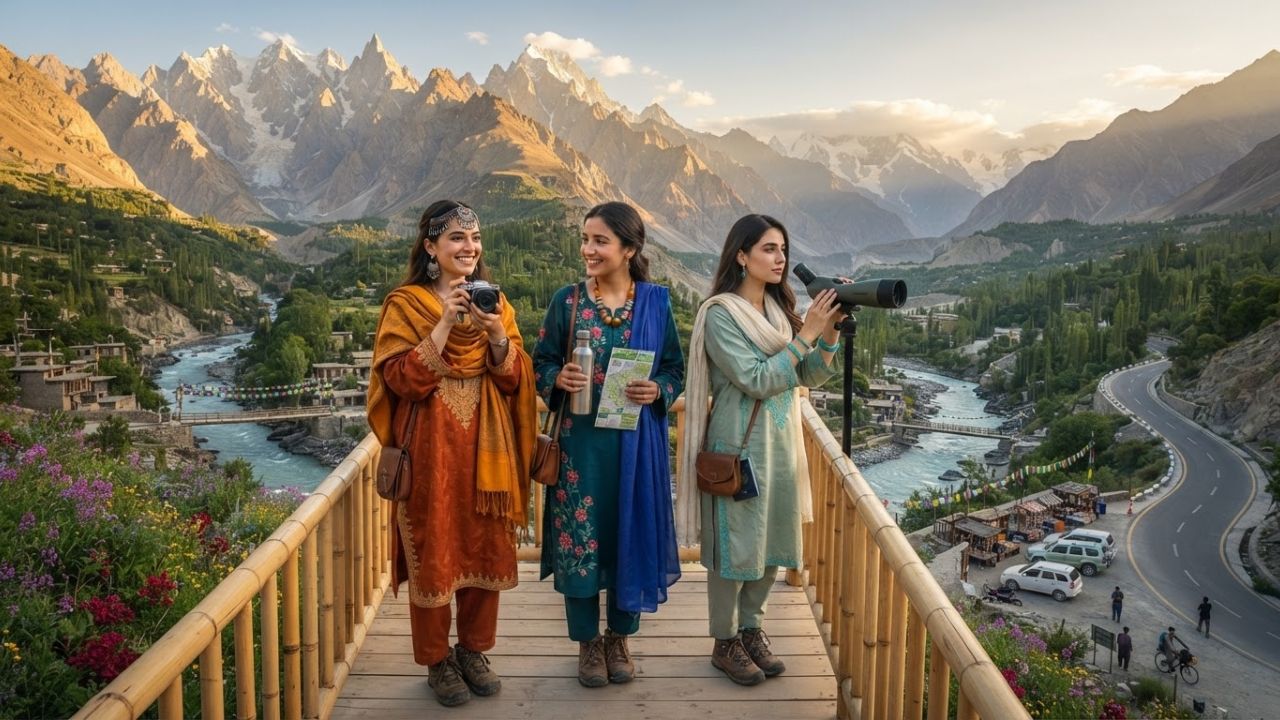
Image generated by AI
The summer travel season in Gilgit-Baltistan has drawn a record 1.5 to 2 million visitors, exposing significant strains on high-altitude roads, water supplies, and waste management infrastructure.
On August 7, 2026, regional administrative offices assessed seasonal transport corridors. The influx of tourists over a brief three to four month window provides essential income for local families but severely strains municipal services. Officials are looking at carrying capacity frameworks used in neighboring high-altitude regions to manage environmental degradation and transit bottlenecks.
The Core Transit Update
Unmanaged passenger volumes during the summer months are leading to severe infrastructure deterioration along the Karakoram Highway (KKH).
The Gilgit-Baltistan Tourism Department and the Pakistan Tourism Development Corporation (PTDC) are reviewing sustainable visitor management strategies. Neighboring countries like Bhutan and Nepal successfully manage ecological impacts by utilizing daily sustainable development fees and permit quotas to control visitor volume. To address these threats, the Ministry of Climate Change is coordinating with local developers to prioritize ecological preservation over short-term commercial growth.
These transportation and infrastructure challenges in high-altitude zones are also shaped by regional flight availability, as described in Travel Joins Saudi Arabia: Jazeera Airways Resumes Islamabad Flights March 2026 and the extreme flying conditions highlighted in Himalayan Paradox: World's Most Challenging High-Altitude Airport Relies on Pilot Vision Over Modern Navigation.
Gilgit-Baltistan Transit Infrastructure & Performance
The following table summarizes the travel parameters, infrastructure statuses, and safety regulations for the primary transit routes in Gilgit-Baltistan.
| Transit Route | Operating Window | Primary Gateways & Connections | Infrastructure Stressors | Safety & Regulatory Guidelines |
|---|---|---|---|---|
| Karakoram Highway (KKH) | Year-round (Summer peak) | Islamabad (ISB) to Gilgit/Hunza | Landslides, river erosion, traffic blocks | Drive with 4x4 vehicles & local guides |
| Gilgit Flight Route | Subject to visibility | Islamabad Airport (ISB) to Gilgit (GIL) | High-altitude weather cancellations | Flexible ticket booking highly advised |
| Skardu Flight Route | Subject to visibility | Islamabad Airport (ISB) to Skardu (KDU) | Visual flight rules limitations | Allow buffer days in travel itineraries |
| Alpine Trekking Trails | June – September | Regional valley trailheads | Waste accumulation & soil erosion | Permit registration & registered guides required |
Traveler Logistics Guide
From a ground-level perspective, the best way to navigate this is to prepare for flexible travel schedules and hire experienced local drivers who understand high-altitude road conditions.
- Aviation Connections: Fly internationally into Islamabad International Airport (ISB). Connecting flights to Gilgit Airport (GIL) or Skardu International Airport (KDU) are operated by Pakistan International Airlines (PIA) but are highly subject to weather-induced cancellations.
- Transit Layover Times: Allow at least 3 hours for customs clearance and baggage transfer at Islamabad (ISB) before attempting to connect to domestic high-altitude flights.
- High-Altitude Flight Bookings: Always purchase tickets with flexible change policies and allow 2 to 3 buffer days in your itinerary to account for weather-related flight delays or cancellations.
- Road Transport: If driving via the Karakoram Highway, hire a local driver and a private 4x4 vehicle. Mountain roads are subject to sudden rockfalls and landslides, especially after monsoon rains.
Infrastructure Impact Assessment
The seasonal surge of 2 million tourists highlights the urgent need to reinvest tourism revenues directly into public utility upgrades. Without municipal water filtration networks, waste recycling centers, and structural retaining walls along riverbanks, unchecked commercial tourism threatens to damage the fragile valleys. By implementing carrying capacity limits and mandatory guide rules, Gilgit-Baltistan can transition to a sustainable model that preserves its alpine heritage and protects surrounding communities.
Related Travel Guides
Travel Joins Saudi Arabia: Jazeera Airways Resumes Islamabad Flights March 2026
The 10 Best Things to Know About Gilgit-Baltistan Travel, According To Reddit
Disclaimer
This article is for informational and educational purposes only. It does not constitute legal, financial, or professional advice. While we strive to provide accurate and up-to-date information, travel policies, regulations, and conditions change rapidly. Always verify information with official sources before making travel decisions. Nomad Lawyer makes no representations about the accuracy, reliability, completeness, or suitability of the information provided. Readers should consult qualified professionals for advice specific to their circumstances. The views expressed in this article are those of the author and do not necessarily reflect the views of Nomad Lawyer.
Kunal K Choudhary
Co-Founder & Contributor
A passionate traveller and tech enthusiast. Kunal contributes to the vision and growth of Nomad Lawyer, bringing fresh perspectives and driving the community forward.
Learn more about our team →