
🌍 Your Global Travel News Source
AboutContactPrivacy Policy
Nomad Lawyer
tourism news

Germany and Sweden Deploy Emergency Aircraft as Wildfires Trigger Mass Evacuations Across France and Spain in 2026

European nations launch a massive cross-border emergency response as catastrophic wildfires devastate tourist regions in France and Spain, forcing hundreds of thousands to evacuate during the 2026 summer peak.

Raushan Kumar
By Raushan Kumar
4 min read
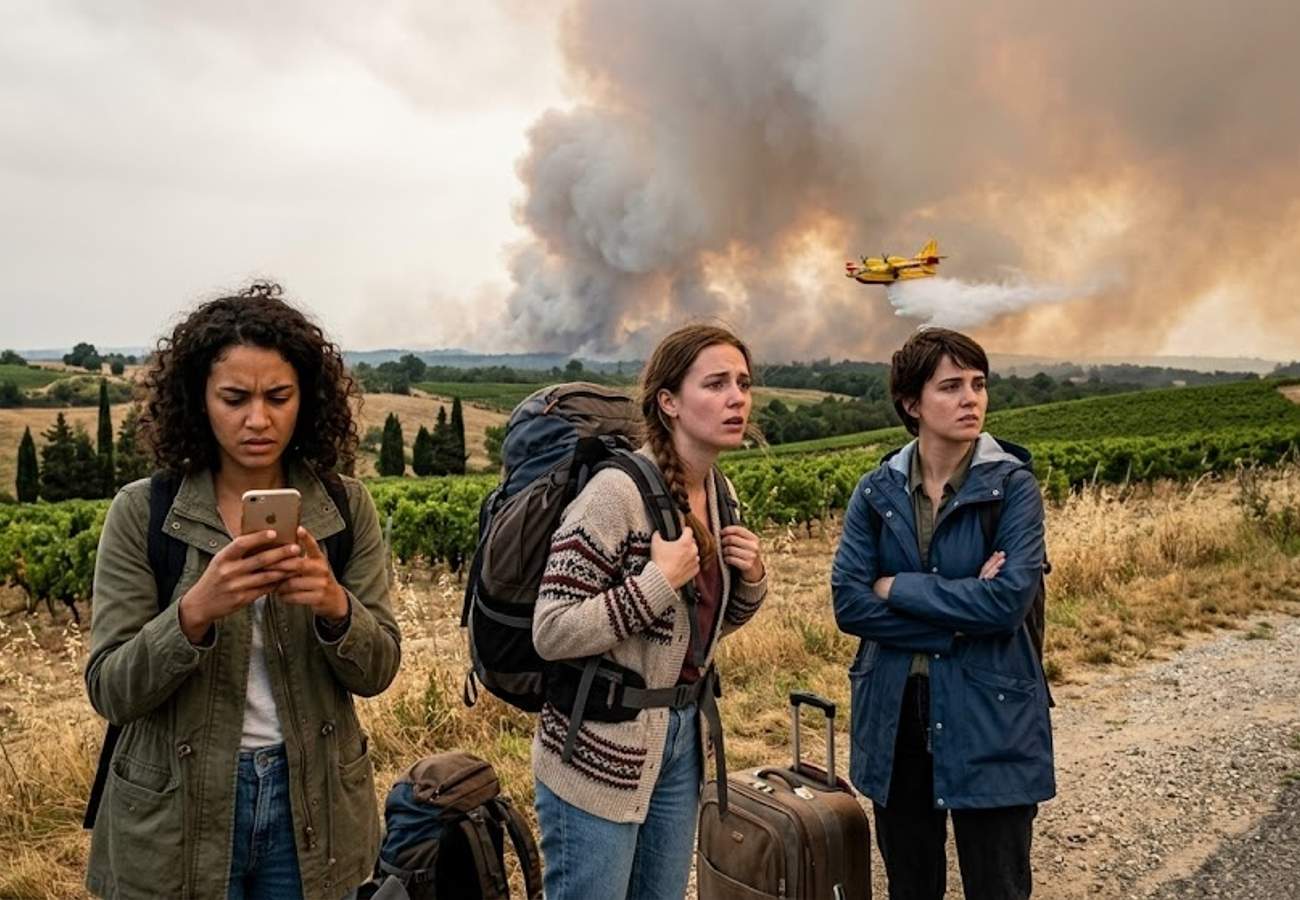
Aerial view of firefighting aircraft deploying water over a forest fire in Southern Europe

Image generated by AI

Headline Options:

  1. Factual/News: Germany, Sweden, and Italy Deploy Specialized Aircraft and Rescue Crews to Combat Devastating Wildfires Across France and Spain in 2026
  2. Curiosity-Gap (Discover): The Unexpected European Alliance Fighting the 2026 Summer Blazes: Why Your Next Trip to Bordeaux Might Be at Risk
  3. Problem-Solving (Search): How to Navigate Travel Disruptions in France and Spain During the 2026 Wildfire Emergency Response

Hundreds of thousands of people have been forced to flee their homes and hotels as catastrophic blazes sweep through Europe’s most visited summer corridors. The crisis has evolved into one of the largest cross-border emergency mobilizations in recent history, pitting a coalition of European nations against extreme heat and unpredictable winds.

The Local Trend Revealed: A Continental Shield

The current crisis in France and Spain has shifted the paradigm of disaster management from national responsibility to a "Continental Shield" approach. As fires in the Gironde department of southwestern France—specifically near the wine-growing hubs of Bordeaux—and various regions across Spain overwhelm local capacities, the European Union's emergency cooperation mechanisms have moved into overdrive.

Germany has emerged as a primary logistical pillar, deploying specialized firefighting aircraft and transport capabilities to move personnel into high-risk zones rapidly. This is not merely about water drops; it is about the integration of German logistical precision with French ground operations to create containment lines before flames reach densely populated tourist centers.

Sweden and Italy have similarly pivoted their national resources toward the Mediterranean. Sweden, despite its northern geography, has contributed technical expertise and aircraft through international cooperation systems, acknowledging that climate-driven wildfires are no longer regional issues but systemic European threats. Italy, drawing on its own history of battling severe summer fires, has provided critical aerial support to prevent early-stage blazes from becoming uncontrollable infernos.

Cultural & Environmental Value: Preserving the Heritage Heartlands

For the visitor, the real impact is the potential loss of irreplaceable cultural landscapes. In southwestern France, the threat is not just to infrastructure but to the historic vineyards and forests that define the region's identity. The Gironde fires have already consumed tens of thousands of hectares of land, threatening the very terroir that attracts millions of global travelers.

The coordinated response from Greece, Portugal, and Cyprus adds a layer of regional solidarity. These nations, which face identical challenges of dry vegetation and extreme heat, are sharing operational intelligence. This collective action supports the regional heritage by ensuring that the "tourism engine" of Southern Europe does not permanently collapse under the weight of environmental degradation. By sharing resources, these nations are effectively protecting the economic viability of the Mediterranean tourism model.

Visitor Insider Tips: Navigating the 2026 Crisis

If you are traveling to France or Spain during this period, standard travel insurance is not enough. You need real-time, localized intelligence.

  • The "Safe Window" Strategy: Avoid the peak heat hours (12:00 PM to 6:00 PM) when fire risks are highest and evacuation orders are most likely to be issued.
  • Digital Monitoring: Do not rely on general news. Follow the official regional accounts of the Sapeurs-Pompiers (France) and Protección Civil (Spain) on social media for immediate zone-based alerts.
  • Eco-Etiquette: Avoid visiting natural parks or hiking in "dry zones" during the current emergency. Even a small accidental spark in these conditions can trigger a regional catastrophe.
  • Alternative Hubs: If Bordeaux or the Gironde region is under alert, consider shifting your itinerary to the northern coast of France or the Atlantic Pyrenees, which currently show lower risk profiles.

Tourism Outlook: The New Normal for Summer Travel

The long-term impact of the 2026 wildfire season will likely be a permanent change in how summer tourism is marketed and managed in Europe. We are moving toward a "Climate-Adaptive Tourism" model where travel dates may shift toward the "shoulder seasons" (May-June and September-October) to avoid the extreme heat windows.

Expect to see more stringent regulations around outdoor tourism, including mandatory registration for hikers in high-risk forests and a surge in eco-tourism initiatives focused on reforestation and land management. The ability of European nations to cooperate now will determine whether these destinations remain viable for the next generation of travelers.

The unity of Europe's emergency response is the only thing standing between a challenging summer and a total regional collapse.

Related Travel Guides

Disclaimer

This article is for informational and educational purposes only. It does not constitute legal, financial, or professional advice. While we strive to provide accurate and up-to-date information, travel policies, regulations, and conditions change rapidly. Always verify information with official sources before making travel decisions. Nomad Lawyer makes no representations about the accuracy, reliability, completeness, or suitability of the information provided. Readers should consult qualified professionals for advice specific to their circumstances. The views expressed in this article are those of the author and do not necessarily reflect the views of Nomad Lawyer.

Tags:European wildfiresFrance tourism safetySpain travel alertemergency response 2026
Raushan Kumar

Raushan Kumar

Founder & Lead Developer

Full-stack developer with 11+ years of experience and a passionate traveller. Raushan built Nomad Lawyer from the ground up with a vision to create the best travel and law experience on the web.

Follow:
Learn more about our team →