
Germany Updates Travel Advisory for Italy Citing Security Risks
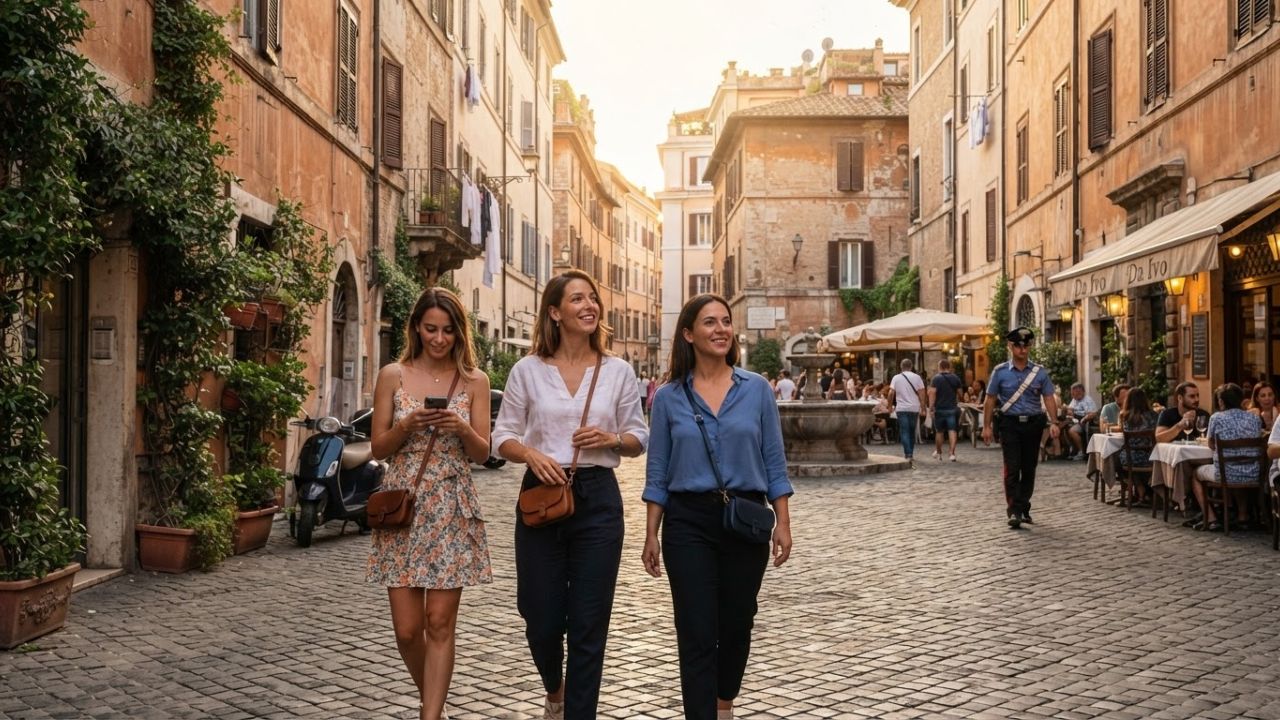
Image generated by AI
The German Foreign Office has updated its travel advisory for Italy, reminding visitors of heightened security measures, petty crime risks in major tourist centers, and identification requirements. While Italy continues to welcome millions of international travelers to its historic cities, beaches, and cultural sites, the advisory highlights the need for careful preparation and vigilance during travel.
Key points in the guidance focus on security alerts, the mandate to carry valid official identification at all times, and the monitoring of volcanic activity in southern regions. The advisory does not discourage travel to Italy but emphasizes that common-sense safety practices are essential for a smooth journey.
The Local Trend: Increased Security Vigilance in Italy
Italian security authorities have maintained a general warning regarding the possibility of security threats, resulting in visible police presence at transport hubs, major landmarks, and religious sites. Travelers are advised to remain alert in crowded environments—such as train stations, airports, and major squares—and cooperate with local security personnel.
In addition to broad security measures, local departments are focusing on reducing petty crime. Tourists are frequent targets for pickpockets and scammers in historic city centers because they often carry cash, electronic devices, and travel documents.
To manage this risk, municipal police forces are increasing patrols in transit areas, particularly on transport routes connecting Rome-Fiumicino Airport with the city center, and near popular tourist locations in Milan, Venice, and Naples.
Focus Areas for Petty Crime in Italy
Petty crime remains a challenge in popular destinations, where thieves utilize distraction techniques to steal personal belongings:
- Rome: Pickpocketing is common on crowded public transit lines and at railway stations. Motorcyclists may attempt to snatch bags or cameras from the street-facing side, so travelers should carry belongings on the opposite shoulder. Parking areas near beaches like Ostia, Fiumicino, and Fregene are hotspots for car break-ins.
- Milan: Visitors should take extra care in busy pedestrian areas, particularly around Piazza del Duomo, where distraction scams are common.
- Venice: Crowded vaporetto water bus stops and ticketing windows provide opportunities for pickpockets to operate.
- Naples: Vigilance is recommended on busy bus routes and at the central railway station.
Common distraction scams include strangers pretending a minor vehicle accident has occurred, claiming a tire is flat, or accidentally spilling liquid on a tourist's clothing to offer assistance while an accomplice steals their valuables.
Volcanic Activity Monitoring and the IT-alert System
Italy contains several active volcanoes that are monitored by the National Institute of Geophysics and Volcanology (INGV) and the Civil Protection Department (Dipartimento della Protezione Civile). Volcanic activity can occasionally affect regional flights and local transport:
- Mount Etna (Sicily): Europe's most active volcano, experiencing periodic eruptions that can cause ash clouds, affecting flights at Catania Airport.
- Stromboli (Aeolian Islands): Shows recent minor activity, requiring local access restrictions.
- Mount Vesuvius (Campania): Under constant observation, last erupting in 1944.
- Phlegraean Fields (Campania): Classified as a supervolcano, experiencing seismic activity that has previously prompted local evacuation plans.
To improve emergency communications, Italy uses the "IT-alert" warning system. During emergencies—such as volcanic events involving Mount Vesuvius or the Phlegraean Fields—the Civil Protection Department sends direct cell-broadcast warning messages to all mobile devices in the affected zone, prompting travelers to follow official safety instructions.
Eco-Friendly Hydration and Public Transit Rules
To support environmental conservation and reduce plastic waste, local tourist offices encourage visitors to use municipal water systems. Rome features over 2,500 historic cast-iron drinking fountains known as nasoni (big noses) that distribute free, cold drinking water from the city's aqueducts. Walkers can refill reusable bottles directly from the spout, minimizing the purchase of single-use plastic bottles.
Additionally, traveling between cities using high-speed rail networks like Trenitalia or Italo offers a low-carbon transport option.
When using public transit—such as regional trains, city buses, or metro systems—passengers must validate their physical tickets at the station machines before boarding. Unvalidated tickets can result in significant on-the-spot fines, which are strictly enforced by transit inspectors.
Community Integration: Supporting Regional Artisans
While safety is a priority, visitors are encouraged to support the local economy directly. Staying in locally owned accommodation (alberghi diffusi), hiring registered regional guides, and dining at family-run trattorias ensure that tourism spending benefits local communities.
This direct support helps sustain independent businesses and preserves regional cultural heritage. For example, buying handmade glass in Venice or leather goods in Florence directly from independent workshops keeps traditional crafts alive, offering a sustainable alternative to mass-produced tourist souvenirs.
Traditional Gastronomy: Regional Culinary Specialties
Explorations of Italy's culinary regions allow visitors to experience traditional dishes prepared using local ingredients:
- Cacio e Pepe (Rome): A classic Roman pasta dish combining pecorino Romano cheese, fresh black pepper, and starchy pasta water to create a creamy sauce. The dish represents a staple of Roman homestyle cooking.
- Risotto alla Milanese (Milan): A creamy arborio rice dish cooked with beef broth, butter, Parmigiano-Reggiano, and saffron, which gives the dish its golden color. It is a traditional first course in Lombardy.
- Cicchetti (Venice): Traditional small plates—such as marinated seafood, local cheeses, and cured meats served on crusty bread—enjoyed with a glass of regional wine at local bars (bacari).
- Pizza Margherita (Naples): A simple pizza topped with San Marzano tomatoes, fresh mozzarella cheese, fresh basil leaves, and extra virgin olive oil, representing the colors of the Italian flag.
Visitor Insider Tips: Travel Preparation Checklist
To ensure a safe and smooth journey through Italy, follow these practical guidelines:
- Carry Valid Identification: By Italian law, you must carry a valid official identity document (like a passport or national ID card) at all times. Keep electronic copies or photos of your documents stored securely online to facilitate replacement if lost.
- Validate Transit Tickets: Always insert physical tickets into the validation machines at train station platforms or inside buses before starting your trip to avoid fines.
- Use Free Nasoni Fountains: In Rome, use a reusable bottle to drink from the nasoni. If you block the main spout with your finger, water will spray out of a small hole at the top, making it easier to drink directly.
- Respect Historic Monuments: Do not swim, wade, or wash items in historic fountains, and avoid sitting on protected historical steps in Venice and Rome, as these actions carry heavy fines.
- Avoid Unsecured Valuables: Never leave electronic devices, passports, or luggage visible inside parked vehicles, even in covered parking garages. Keep your car's interior appearing completely empty.
Outlook: Resilient Tourism and Smart Travel Planning
The German Foreign Office's travel advisory updates highlight how destination awareness supports travel safety. By combining document preparation, vigilance against pickpocketing, and an understanding of local emergency warning systems, visitors can explore Italy's cultural heritage with confidence.
Future tourism development will focus on the expansion of the IT-alert system to cover tourist zones, the digitalization of transport ticketing systems, and the preservation of historic monuments. By encouraging sustainable public rail transit and minimizing plastic usage, Italy's tourism sector aims to protect its natural and historical environment, ensuring that its cultural sites remain open for future travelers.
Related Travel Guides
Disclaimer
This article is for informational and educational purposes only. It does not constitute legal, financial, or professional advice. While we strive to provide accurate and up-to-date information, travel policies, regulations, and conditions change rapidly. Always verify information with official sources before making travel decisions. Nomad Lawyer makes no representations about the accuracy, reliability, completeness, or suitability of the information provided. Readers should consult qualified professionals for advice specific to their circumstances. The views expressed in this article are those of the author and do not necessarily reflect the views of Nomad Lawyer.