
Georgia Moves With Cambodia To Accelerate Tourism Trade And Investment Cooperation Across New Economic Frontiers
Georgia Moves With Cambodia To Accelerate Tourism Trade And Investment Cooperation Across New Economic Frontiers

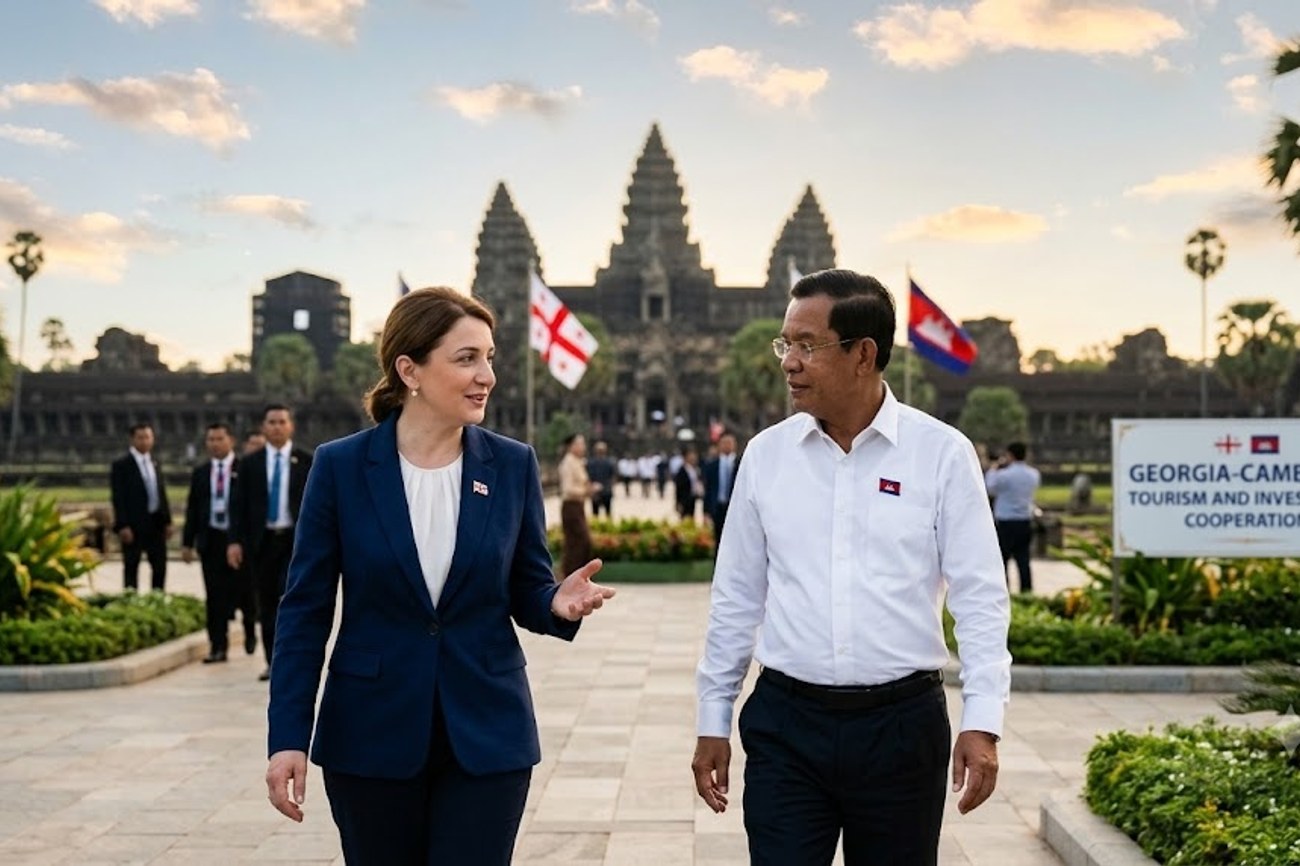
Image generated by AI
[Tbilisi, October 2024] — Georgia and Cambodia have formally launched a bilateral strategic initiative to accelerate tourism, trade, and investment flows between the two nations. The agreement marks a significant diplomatic pivot intended to diversify economic partnerships and increase international connectivity for both the Caucasus and Southeast Asian hubs.
Government representatives from both nations have committed to a framework of practical cooperation, focusing on the removal of barriers to trade and the promotion of reciprocal travel. The initiative arrives as both countries seek to expand their global footprints and reduce reliance on traditional regional markets by establishing new corridors of economic diplomacy.
Diplomatic Drivers of the Partnership
The catalyst for this agreement is a mutual desire to leverage "economic diplomacy" to stimulate domestic growth. By aligning their institutional goals, Georgia and Cambodia aim to create a sustainable foundation for long-term relations that move beyond symbolic diplomatic ties into tangible commercial exchanges.
The discussions centered on the ability of both nations to act as gateways to their respective regions. Georgia seeks to strengthen its position as a bridge between Europe and Asia, while Cambodia continues to integrate more deeply into the broader ASEAN economic framework. This synergy is expected to facilitate easier market entry for businesses in both countries, allowing them to access new consumer bases and investment opportunities that were previously untapped.
Markets and Sectors Under Expansion
The bilateral agreement prioritizes three primary pillars of cooperation. While the scope is broad, the immediate focus is on the following areas:
- Tourism and Hospitality:
- Promotion of Cambodia’s ancient heritage sites and cultural experiences.
- Marketing of Georgia’s scenic landscapes and historic architectural destinations.
- Knowledge sharing between tourism boards to optimize destination promotion.
- Trade and Commercial Exchange:
- Identification of new export markets for local businesses.
- Development of partnerships between private sector institutions.
- Reduction of bureaucratic hurdles for cross-border trade.
- Investment Infrastructure:
- Attracting foreign direct investment (FDI) into tourism-related infrastructure.
- Collaborative projects aimed at supporting innovation and business scalability.
- Institutional coordination to ensure legal and regulatory transparency for investors.
What This Means for Travelers
For the average passenger or business traveler, this diplomatic shift translates into a push for better connectivity and streamlined entry. While the agreement does not immediately launch new direct flight routes, it signals a high-level government mandate to make travel between the two regions more attractive.
Passenger Impact Assessment:
- Increased Flight Availability: As tourism becomes a priority, airlines are more likely to evaluate the viability of new connecting routes or increased frequencies via major hubs. Travelers should monitor updates from the Ministry of Economy and Sustainable Development of Georgia and Cambodian aviation authorities.
- Simplified Entry Processes: While visa regimes are handled separately, the focus on "tourism cooperation" often leads to the streamlining of visa applications or the introduction of e-visa facilities to encourage visitor exchanges.
- New Tour Packages: Travelers can expect an increase in specialized travel packages that link the cultural landmarks of Cambodia with the wine and mountain regions of Georgia, as travel agencies in both countries begin to co-market these destinations.
- Hospitality Investment: Increased investment in infrastructure means that travelers may see an upgrade in hotel standards and tourist facilities in emerging areas of both nations.
Regional Stability and Future Outlook
Beyond economic gains, the diplomatic engagement served as a platform for Cambodia to address regional security. Cambodian officials reaffirmed their commitment to the peaceful resolution of border disputes, specifically regarding the Cambodia-Thailand border. By emphasizing adherence to international law and established diplomatic principles, Cambodia is signaling to its new partners, including Georgia, that it remains a stable environment for foreign investment.
The roadmap for this partnership involves regular institutional engagement. Both governments intend to establish a cadence of communication between relevant ministries to ensure that the goals of the agreement are met with practical results. The long-term objective is to create a self-sustaining loop of trade and tourism that benefits local communities and small-to-medium enterprises (SMEs).
As the partnership matures, the focus is expected to shift toward specific sectoral agreements, potentially including agricultural trade or digital economy collaborations. The success of this initiative will likely be measured by the volume of reciprocal tourist arrivals and the total value of bilateral trade recorded over the next fiscal cycle. For those tracking global aviation trends, the key indicator will be whether the Civil Aviation Authority of Cambodia or Georgian aviation regulators announce new bilateral air service agreements (BASAs) to support this growth.
FAQ: Georgia-Cambodia Travel 2024
Are there direct flights between Georgia and Cambodia? Currently, there are no direct commercial flights. Travelers must utilize connecting hubs, typically in the Middle East or Asia. The new agreement aims to increase connectivity, but new routes have not yet been announced.
Do I need a visa to travel between these two countries? Yes, visa requirements still apply. Travelers should check the official embassy websites of Georgia and Cambodia for the most current e-visa or consulate application processes, as these are not automatically waived by this trade agreement.
What are the primary tourism draws for each country? Cambodia is world-renowned for its ancient temples and Khmer heritage. Georgia is highly regarded for its historic mountain landscapes, ancient wine-making traditions, and unique Caucasian architecture.
How does this agreement affect business investors? The agreement creates a government-backed framework for cooperation, meaning investors may find more institutional support and clearer channels for establishing partnerships in tourism and trade sectors.
A new diplomatic corridor opens between the Caucasus and Southeast Asia.
#GeorgiaTourism #CambodiaTrade #TbilisiPhnomPenh2024 #BilateralInvestment #CaucasusASEAN #DiplomaticTrade
Related Travel Guides
- Finnair Shines As Premium Travel Champion After Winning Northern Europe’s Best Airline Crown Once Again
- Denmark Takes Autumn Travel Beyond Copenhagen as Arresø Cruise Finale Highlights Frederiksværk and Hillerød
- Romania Rivals Ireland in a New Halloween Tourism Race From Dracula Country to the Birthplace of Samhain
Disclaimer
This article is for informational and educational purposes only. It does not constitute legal, financial, or professional advice. While we strive to provide accurate and up-to-date information, travel policies, regulations, and conditions change rapidly. Always verify information with official sources before making travel decisions. Nomad Lawyer makes no representations about the accuracy, reliability, completeness, or suitability of the information provided. Readers should consult qualified professionals for advice specific to their circumstances. The views expressed in this article are those of the author and do not necessarily reflect the views of Nomad Lawyer.
Naina Thakur
Contributor & Travel Specialist
Travel enthusiast and legal writer covering visa regulations, responsible tourism, and cultural journeys across global destinations.
Learn more about our team →