
French Alps Holidays Rise As Sustainable Train Travel Opens New Mountain Escapes
French Alps Holidays Rise As Sustainable Train Travel Opens New Mountain Escapes

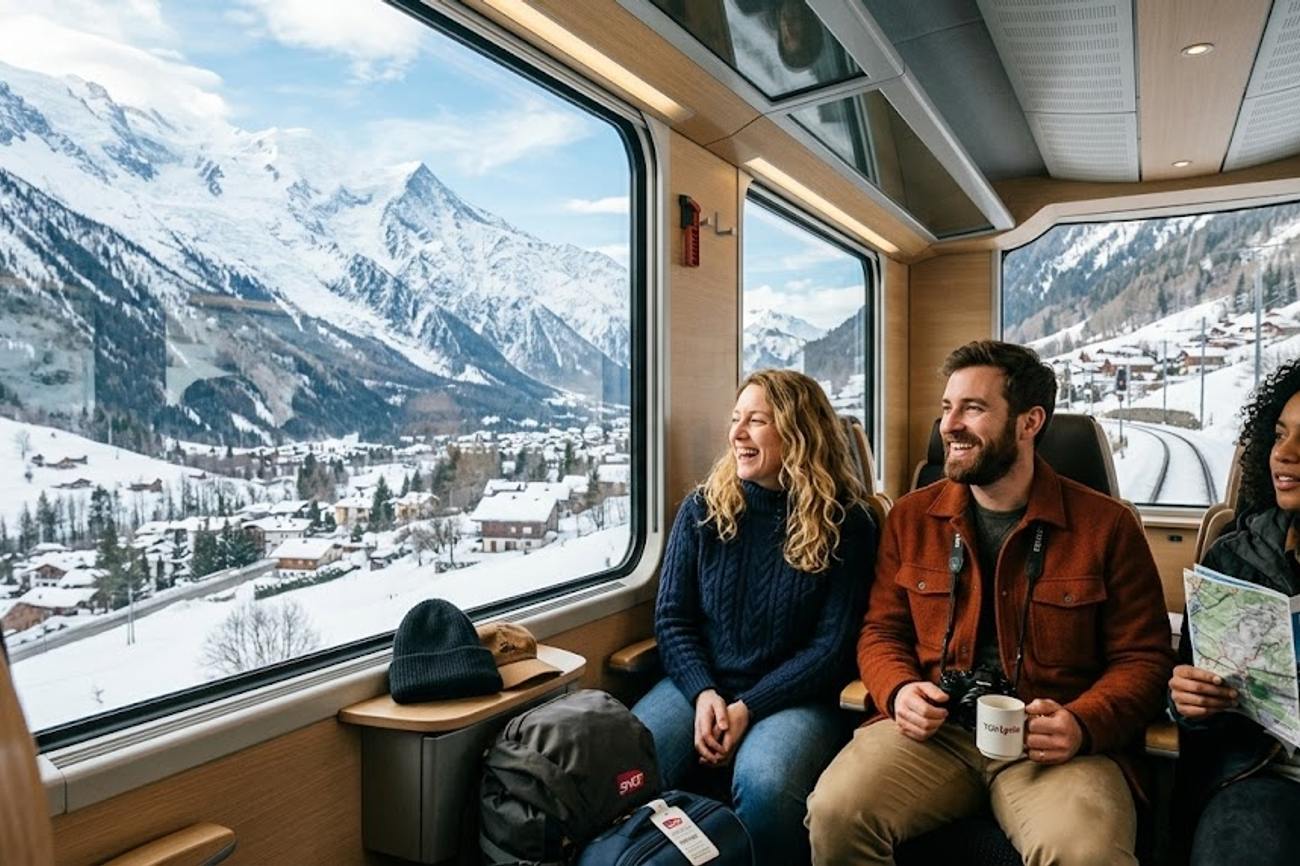
Image generated by AI
[Paris, May 2024] — France is aggressively pivoting its Alpine tourism infrastructure toward rail-centric travel to reduce carbon emissions and alleviate seasonal road congestion in the mountainous regions. The strategic push aims to decouple the French Alps' tourism growth from private vehicle reliance, promoting high-speed and regional rail as the primary arteries for visitors accessing the Savoie and Haute-Savoie departments.
The initiative focuses on integrating major international transit hubs—including Paris, Lyon, Geneva, and Nice—with key mountain gateways. By leveraging the existing network managed by SNCF, the French government and tourism boards are positioning rail as the superior alternative for both winter sports enthusiasts and summer hikers, emphasizing a seamless transition from urban centers to high-altitude resorts.
The Shift to Sustainable Mountain Mobility
The catalyst for this transition is a dual-pronged pressure: the urgent need for sustainable tourism in environmentally sensitive Alpine zones and the chronic traffic gridlock that plagues mountain passes during peak ski seasons. The French Alps are home to protected landscapes and national parks where vehicular pollution poses a direct threat to biodiversity.
By shifting passenger volume to the rails, authorities aim to minimize the environmental footprint of the millions of tourists who visit the region annually. Rail travel significantly lowers the per-passenger carbon output compared to individual car journeys or short-haul flights. This shift is not merely an environmental preference but a logistical necessity, as winter driving conditions on mountain roads often lead to dangerous bottlenecks and increased accident rates.
Impacted Routes and Regional Gateways
The rail expansion and promotion efforts are concentrated on four primary corridors that connect the coast and the capital to the peaks.
| Departure Hub | Primary Alpine Destination | Service Type | Primary Appeal |
|---|---|---|---|
| Paris | Annecy | High-Speed (TGV) | Lake vistas and historic old town |
| Paris | Grenoble | High-Speed (TGV) | Gateway to surrounding massifs |
| Lyon | Various Resorts | Regional Rail | Direct access to ski-in/ski-out hubs |
| Nice | Southern Alps | Scenic Regional | Alpes-Azur landscapes and heritage |
Beyond these primary corridors, several strategic towns serve as critical "last-mile" connection points:
- Chamonix: Accessible via rail connections paired with regional shuttles, serving as the primary hub for Mont Blanc activities.
- Albertville: A key node utilizing its Olympic-era infrastructure to funnel tourists into the mountains.
- Chambéry: A historical center providing essential links to nearby high-altitude resorts.
- Briançon: The primary rail gateway for the Southern Alps and mountain heritage sites.
What This Means for Travelers
For the modern nomad or vacationer, this shift transforms the logistics of a French holiday from a "rental car requirement" to a "rail-first" experience.
1. Elimination of Winter Driving Stress Travelers no longer need to navigate treacherous, snow-covered mountain passes or manage the complexities of winter tire laws in France. The rail network removes the risk of being stranded by sudden snowfall or road closures.
2. Hybrid Itinerary Flexibility The connectivity allows for "City-to-Slope" itineraries. A traveler can land at Paris Gare de Lyon, spend 72 hours in the capital, and transition to the Alps via TGV without the need for a rental car return or airport transfers.
3. Cost and Booking Dynamics While rail is more sustainable, it requires a different booking strategy. High-speed lines to the Alps operate on a demand-based pricing model. Travelers booking last-minute during the December-February window face significant price spikes. Early booking is now the only way to secure affordable transit to the mountains.
4. The "Slow Travel" Experience The promotion of routes like the Train des Merveilles (connecting Nice to the Southern Alps) shifts the journey from a chore to a destination. This allows travelers to experience the Alpes-Azur region's forests and valleys, which are often bypassed by those taking highways.
Future Integration and Year-Round Access
The French tourism strategy is moving away from the "winter-only" model. By strengthening rail links, France is attempting to stabilize the Alpine economy through year-round accessibility.
During the summer months, the rail network is being marketed to wellness tourists and hikers who seek access to national parks without the hassle of parking in protected areas. The spring and autumn "shoulder seasons" are also being targeted, with rail passes encouraged to promote longer, multi-destination stays that support local villages rather than just the major resorts.
Looking ahead, the integration of international rail passes and digital ticketing platforms is expected to further lower the barrier for non-EU citizens. The goal is a frictionless journey from an international airport to a mountain chalet, utilizing a single digital ecosystem for all transit.
FAQ: French Alps Rail Travel 2024
Do I need a car to visit Chamonix or Annecy? No. Both are accessible via rail. Annecy has a direct connection, while Chamonix is reached through a combination of main-line trains and regional shuttle services.
When should I book train tickets for the ski season? As early as possible. High-speed routes to the Alps experience extreme demand during school holidays and December; prices rise sharply as departure dates approach.
Is it possible to visit the Southern Alps from the coast? Yes. The Train des Merveilles provides a scenic route from Nice into the Southern French Alps, focusing on the Alpes-Azur region.
Can I use a rail pass for these routes? Yes, many international and domestic rail passes are valid on the SNCF network, though high-speed TGV segments often require a mandatory seat reservation fee.
The era of the mountain road trip is yielding to the efficiency of the high-speed rail.
#SNCF #FrenchAlps2024 #TGV #AnnecyRail #ChamonixTransit #AlpesAzur
Related Travel Guides
- Yellowstone Sees Millions of Summer Tourists in 2026 as West Entrance Handles 43% of Vehicle Traffic
- Peru Captivates Soulful Adventurers During Inti Raymi Festivities Connecting Cusco And Sacred Valley Dawn Travel, Find Out Now
- UAE Expands Yas Island Tourism With $3.3 Billion Investment In New Attractions And Hotels
Disclaimer
This article is for informational and educational purposes only. It does not constitute legal, financial, or professional advice. While we strive to provide accurate and up-to-date information, travel policies, regulations, and conditions change rapidly. Always verify information with official sources before making travel decisions. Nomad Lawyer makes no representations about the accuracy, reliability, completeness, or suitability of the information provided. Readers should consult qualified professionals for advice specific to their circumstances. The views expressed in this article are those of the author and do not necessarily reflect the views of Nomad Lawyer.
Kunal K Choudhary
Co-Founder & Contributor
A passionate traveller and tech enthusiast. Kunal contributes to the vision and growth of Nomad Lawyer, bringing fresh perspectives and driving the community forward.
Learn more about our team →